 English
 French
 German
 Lithuanian
 Polish
 Spanish
Backyard saunas have surged in popularity as homeowners seek to create personal wellness retreats without leaving their property. However, selecting an outdoor sauna isn’t as simple as picking a model you like—climate compatibility plays a crucial role in ensuring your investment provides years of enjoyment and withstands local weather conditions. An outdoor sauna properly matched to your environment will heat efficiently, resist weather damage, require less maintenance, and deliver a consistently excellent sauna experience regardless of season.
In this guide, you’ll learn how different sauna types perform across various climate conditions, which materials and construction features matter most for your region, and how to site, install, and maintain your backyard sauna for maximum longevity and enjoyment year-round.
Understanding backyard sauna types
Before delving into climate considerations, it’s important to understand the fundamental differences between sauna types commonly used in outdoor settings. Each variety offers distinct advantages depending on your local environment and personal preferences.
Traditional vs. infrared: pros & cons by climate
Traditional Finnish saunas use either wood-burning or electric heaters to warm rocks, which then radiate heat and create steam when water is added. These saunas excel in cold climates due to their ability to reach high temperatures (180-200°F) and produce humidity through water ladled onto hot rocks. Wood-burning models offer authentic experience and independence from electrical hookups but require proper ventilation and regular fuel supply. Electric heaters provide convenience and consistent heat but need reliable power access and may increase utility costs in frigid regions.
Infrared saunas use specialized heaters that directly warm your body without significantly heating the air. They operate at lower temperatures (120-150°F), consume less energy, and heat up quickly—making them suitable for milder or variable climates where quick sessions might be preferred. However, they typically don’t perform as well in extremely cold environments unless exceptionally well-insulated.
Hybrid or combination saunas incorporate both traditional and infrared heating elements, offering versatility across seasons. This adaptability makes them ideal for regions with dramatic seasonal temperature swings, though at a higher initial cost.
Portable vs. permanent outdoor saunas
Barrel saunas feature distinctive cylindrical designs that naturally shed water and snow while providing excellent heat circulation. Their unique shape creates natural structural strength against wind and snow loads, making them popular choices for areas with harsh winters.
Portable options like sauna tents and collapsible units offer flexibility and lower cost but typically provide less insulation and weather resistance. These work best in moderate climates or as seasonal solutions in fair weather. Some quality portable models incorporate weatherproofing features, but generally can’t match the durability of permanent structures in challenging environments.
Pre-built outdoor sauna kits bridge the gap between DIY projects and custom builds, offering standardized quality with various climate-appropriate features. Most manufacturers provide options specifically designed for different environmental conditions.
Climate considerations: matching your sauna to your environment
Local climate conditions should directly influence your sauna selection, as environmental factors dramatically impact performance, durability, and maintenance requirements.
Severe cold: what features really matter?
In regions experiencing prolonged freezing temperatures, prioritize superior insulation, robust heating capacity, and durable construction. Cold climate outdoor saunas benefit from:
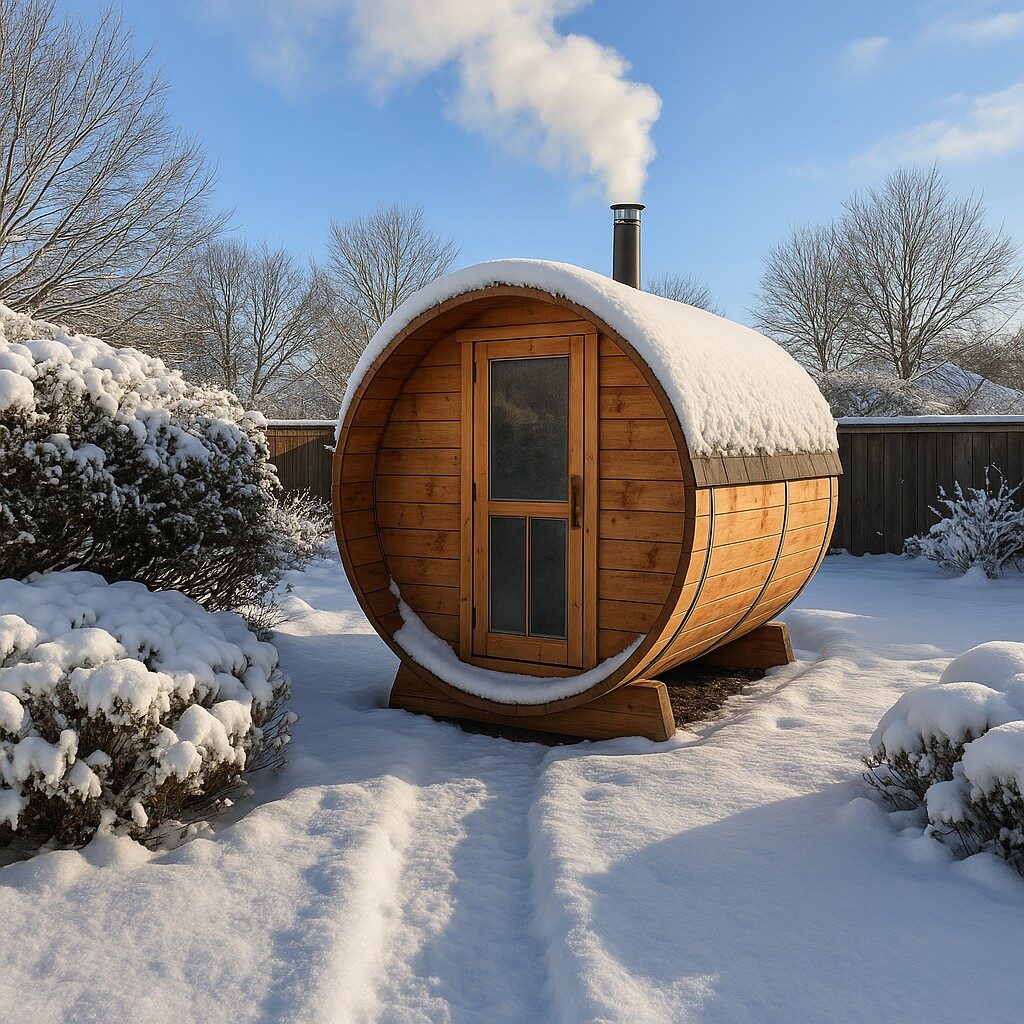
- thicker wall construction (minimum 44mm, preferably 58-70mm)
- double or triple-pane tempered glass windows
- higher-output heaters (larger kW rating)
- proper floor insulation to prevent heat loss
- protected changing rooms or vestibules
- steep roofs for snow shedding
Heat retention becomes particularly important in frigid environments, as heating costs rise dramatically when heat escapes quickly. The best cold-weather saunas incorporate insulated roofs, floors, and walls along with tight-fitting doors and weather stripping.
Humidity and rain: avoiding mold and rot
Wet climates present different challenges for outdoor saunas. Areas with high rainfall or humidity require:
- naturally rot-resistant woods (cedar, thermowood)
- elevated foundations with proper drainage
- protective overhangs or rain shields
- mold-resistant interior treatments
- enhanced ventilation systems
- moisture barriers in walls and floors
Saunas in humid environments require special attention to airflow and moisture management.
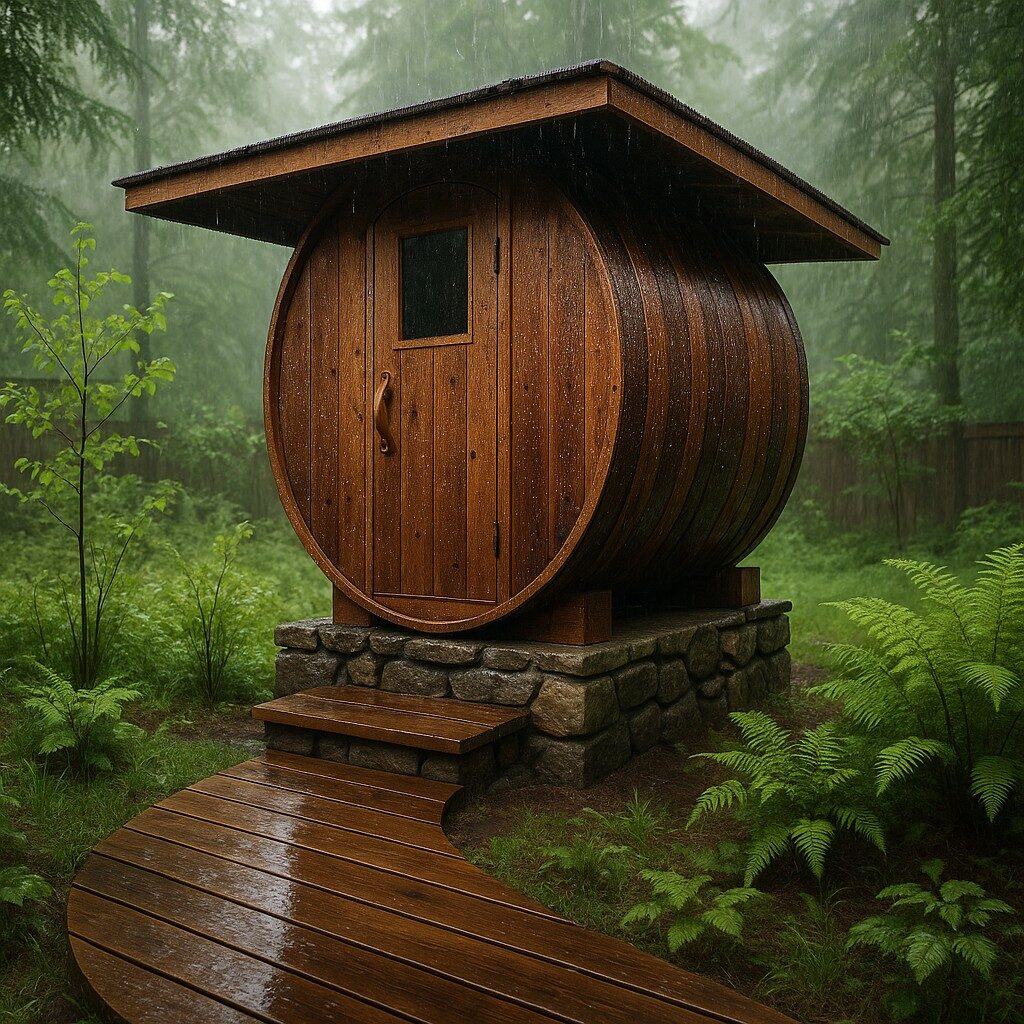
Without proper ventilation, condensation can accumulate within walls, potentially causing structural damage. Look for designs featuring adjustable vents that allow for moisture release while maintaining heat.
In hot and humid regions, consider infrared options or traditional saunas with enhanced cooling features and shaded placement. These environments may also benefit from specialized exterior treatments that resist UV damage and mold growth.
Materials and construction quality
The materials selected for your backyard sauna significantly impact its climate suitability and longevity.
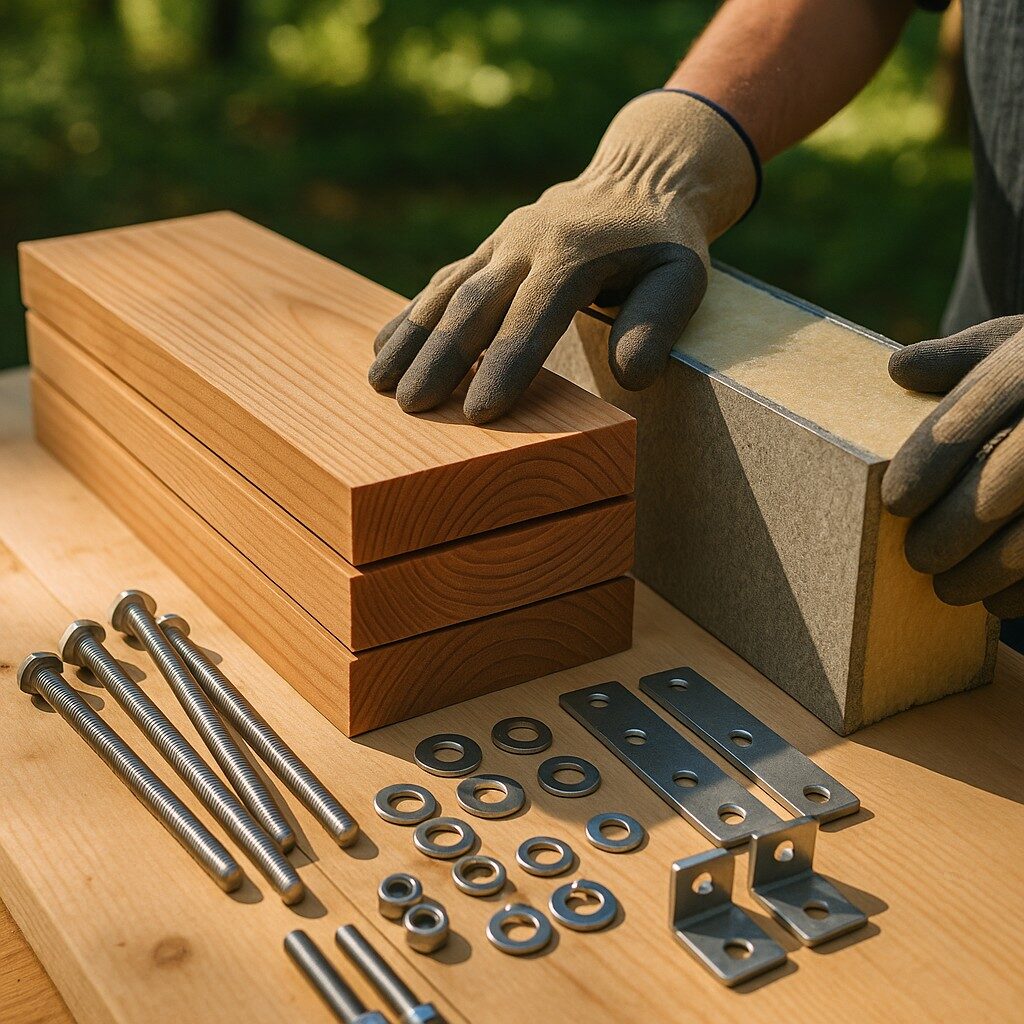
Different woods and construction techniques offer varying levels of protection against environmental challenges.
Cedar stands out as an excellent choice for outdoor saunas across diverse climates due to its natural resistance to moisture, insects, and decay. Western Red Cedar, in particular, contains natural oils that protect against humidity while providing pleasant aromatics during sauna sessions. For extremely wet or humid environments, this material offers significant advantages in preventing rot and fungal growth.
Thermowood, created through a specialized heat-treatment process, offers enhanced stability and moisture resistance compared to untreated woods. This environmentally-friendly option resists warping in fluctuating humidity and provides excellent insulation properties, making it suitable for regions with dramatic seasonal changes.
Beyond wood selection, hardware quality dramatically affects longevity. Stainless steel or marine-grade components resist corrosion from repeated heating and cooling cycles, particularly important in coastal areas where salt exposure accelerates deterioration. Similarly, exterior-grade glass with proper sealing prevents energy loss and condensation problems in temperature extremes.
Wall thickness varies significantly among sauna models, with premium cold-climate versions featuring double-wall construction and insulation layers. Conversely, saunas designed for warmer regions might use thinner walls with UV-protective treatments to prevent sun damage and cracking.
Roofing material selection should align with local precipitation patterns. Metal roofs excel in snowy regions by allowing accumulation to slide off, while composite materials might offer better insulation in extremely hot or cold environments. Some manufacturers incorporate special reflective coatings to reduce heat absorption in sunny locations.
Placement, siting, and installation best practices
Strategic placement of your backyard sauna can dramatically affect its energy efficiency, usability, and resilience against local weather patterns. Thoughtful siting decisions pay dividends through reduced operating costs and enhanced enjoyment.
Begin by evaluating your property’s microclimates and natural features. In colder regions, positioning near windbreaks like dense shrubbery or fencing can reduce heat loss and lower heating costs. Conversely, saunas in hot climates benefit from natural shade that prevents excessive solar gain during summer months.
Foundation selection should match both your sauna type and local conditions. Options include:
- concrete slabs (ideal for permanent installations in freeze-thaw zones)
- crushed stone bases (providing excellent drainage in wet climates)
- deck integration (convenient but requiring proper waterproofing)
- pier foundations (elevating the structure in flood-prone areas)
Proper drainage deserves special attention, particularly in areas with significant precipitation or snowmelt. Sloped surfaces directing water away from the structure prevent moisture accumulation that leads to premature deterioration.
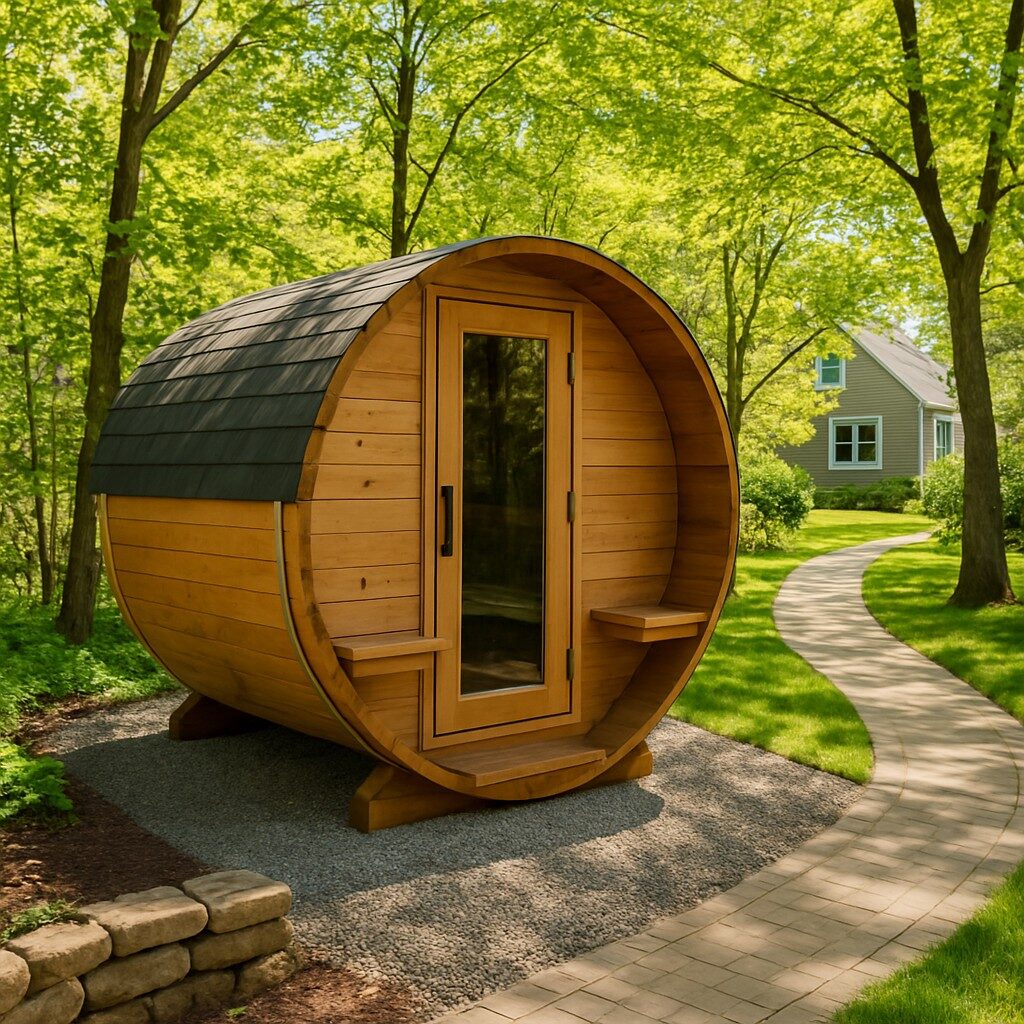
Some installations incorporate perimeter drains or strategically placed gravel channels to manage water flow.
Access to utilities influences both installation complexity and ongoing operation. Electrical requirements vary by heater type, with traditional electric models typically requiring 220V service while infrared versions might operate on standard 110V circuits. Always consult a licensed electrician familiar with outdoor sauna installation for safe, code-compliant wiring.
Before proceeding with installation, verify local permitting requirements, which often depend on the sauna’s size, permanence, and utility connections. Many municipalities classify outdoor saunas as accessory structures subject to setback requirements and building codes. Compliance prevents costly modifications later and ensures insurance coverage remains valid.
Heating technologies and energy efficiency
Heating system selection significantly impacts both the sauna experience and operating costs, with climate considerations playing a central role in determining optimal technology.
Wood-burning heaters deliver authentic experiences and exceptional performance in cold environments. Their advantages include independence from power infrastructure, rapid heating capabilities, and the sensory pleasure of crackling fire. However, they require regular fuel supply, proper venting, and more hands-on operation. In extremely cold regions, wood burners excel at quickly overcoming large temperature differentials between indoor and outdoor environments.
Electric sauna heaters offer convenience and consistent heat with minimal monitoring. Modern electric units feature programmable controls, remote operation, and precise temperature regulation. Their efficiency varies dramatically based on local electricity costs and climate conditions. In cold regions, look for models with higher output ratings (8-12 kW for medium-sized saunas) and staged heating elements that maintain temperature without constant maximum power draw.
Infrared heating provides excellent efficiency in moderate climates or well-insulated structures. These systems reach operational temperature quickly—typically in 15-30 minutes compared to 30-60 minutes for traditional saunas. Their lower operating temperatures translate to reduced energy consumption, approximately 40-60% less than conventional electric heaters. However, their effectiveness diminishes in poorly insulated structures exposed to extreme cold.
Energy efficiency considerations extend beyond heater selection to insulation quality and usage patterns. In variable climates, programmable timers allow pre-heating before planned sessions, reducing the energy wasted heating an unused sauna. Similarly, heat recovery ventilation systems can maintain air quality while minimizing thermal loss in cold environments.
Operation costs vary significantly based on climate severity. A well-insulated electric sauna in a moderate climate might add $20-40 monthly to utility bills with regular use, while the same unit in sub-zero temperatures could cost substantially more. Wood-burning alternatives might prove more economical in regions with abundant, affordable fuel sources, though they require more active management.
Features for year-round comfort and safety
Specialized features can dramatically extend your sauna’s usability throughout changing seasons and weather conditions, providing reliable enjoyment regardless of external temperatures.
Vestibules or changing rooms create critical transition spaces between heated sauna interiors and outdoor environments. In cold climates, these buffer zones prevent heat loss during entry/exit and provide comfortable changing areas protected from the elements. Even simple anteroom additions significantly enhance the winter sauna experience by eliminating the uncomfortable dash between sauna and home in freezing temperatures.
Insulated doors with quality seals represent surprisingly important components in climate-adapted saunas. Heat loss through poorly fitted doors can increase operating costs by 15-20% in cold environments. Look for designs featuring weather stripping, double seals, and insulated cores that maintain interior temperatures efficiently.
Smart controls offer programmability and remote operation particularly valuable in extreme climates. Systems allowing sauna activation via smartphone enable pre-heating before arriving home—especially beneficial in frigid weather when heating times increase. Advanced models incorporate humidity monitoring, energy usage tracking, and automated safety shutoffs.
Proper ventilation balances heat retention with air quality, with requirements varying by climate. Cold regions benefit from adjustable vents that minimize heat loss while still providing sufficient air exchange. Conversely, humid environments require enhanced airflow to prevent moisture accumulation and associated problems. Some premium systems incorporate temperature-controlled vents that automatically adjust based on interior conditions.
Safety features become particularly important in extreme environments. Timer-controlled automatic shutoffs prevent overheating if sessions extend too long, while ground fault circuit interrupters (GFCIs) protect against electrical hazards in wet conditions. For remote installations, consider built-in temperature monitoring systems that alert owners to potential problems like excessive heat or freezing conditions that could damage plumbing.
Specialized additions for specific climates include snow shields for regions with heavy accumulation, external temperature displays allowing monitoring without opening doors, and covered outdoor cooling areas enabling the traditional hot-cold cycle even during inclement weather.
Maintenance and longevity in harsh conditions
Proper maintenance dramatically extends sauna lifespan, with requirements varying significantly based on local climate conditions and sauna type. Establishing appropriate care routines prevents costly repairs and ensures consistent performance.
In cold climates, winterization becomes critical for seasonal or infrequently used saunas. This process typically includes draining any water lines, applying protective treatments to exposed wood, checking for air leaks that could allow moisture infiltration, and ensuring proper ventilation during inactive periods. Some owners use low-wattage heaters during extreme cold spells to prevent internal temperatures from dropping below freezing.
Humid environments demand vigilant mold prevention through regular cleaning with appropriate solutions. Non-toxic antimicrobial treatments specifically formulated for sauna use can be applied to interior surfaces without compromising air quality during sessions. Adequate drying time between uses—facilitated by proper ventilation—significantly reduces mold risk.
Wood sealing requirements depend on both climate and sauna location. Exterior surfaces in rainy regions benefit from water-repellent treatments applied annually, while UV-protective finishes preserve wood exposed to intense sunlight. Interior benches and walls generally remain untreated or receive only specialized sauna-safe oils that withstand high temperatures without releasing harmful compounds.
Regular inspection schedules should focus on climate-specific vulnerabilities. In regions with heavy snowfall, check roof structures for signs of stress during winter months. Areas with dramatic temperature swings should monitor for developing cracks or warping in wood components. Coastal locations require special attention to hardware and metal components vulnerable to salt corrosion.
Preventative maintenance proves particularly valuable for mechanical systems. Heater elements should undergo annual inspection with particular attention to electrical connections potentially affected by humidity. Wood-burning stoves require chimney cleaning frequency based on usage patterns, with more frequent maintenance in primary heating seasons.
Document maintenance activities to identify developing patterns and anticipate replacement needs. Many premium sauna manufacturers provide climate-specific maintenance guides accounting for regional challenges. Following these recommendations preserves warranty coverage while ensuring optimal performance throughout the sauna’s lifespan.
Conclusion
Selecting a backyard sauna properly matched to your climate represents an investment in longevity, efficiency, and enjoyment. The ideal outdoor sauna balances traditional wellness benefits with practical considerations specific to your local environment.
By carefully evaluating climate factors—temperature extremes, humidity levels, precipitation patterns, and seasonal variations—you can identify the most appropriate sauna type, materials, and features for your specific location. Remember that quality construction and proper installation establish the foundation for decades of trouble-free operation, while regular maintenance preserves both functionality and appearance.
Whether facing bitter cold, tropical humidity, or dramatic seasonal changes, today’s outdoor saunas offer configurations suited to virtually any environment. The perfect backyard sauna not only withstands local weather conditions but transforms them into part of the experience—creating a personal retreat that connects you with nature while providing consistent comfort and wellness benefits throughout the year.
Frequently asked questions (FAQ)
What type of sauna is best for cold climates?
A traditional wood-burning or well-insulated electric sauna is ideal for cold climates thanks to strong heat retention and high maximum temperatures.
Can I use an outdoor sauna year-round in wet or snowy regions?
Yes—provided your sauna is well-insulated, weatherproof, and regularly maintained. Look for water-resistant materials and covers.
Does humidity affect the choice of sauna?
Absolutely. In humid areas, choose moisture-resistant materials like cedar or thermowood and ensure robust ventilation to minimize mold and rot risk.
What's the most energy-efficient sauna for a variable climate?
Infrared saunas and hybrids offer lower running costs and heat up quickly, making them efficient for varied weather, though insulation is still crucial.
Do I need a permit for an outdoor sauna?
Often, yes. Local codes may require permits for outdoor structures and electrical work—always check before installation.