 English
 French
 German
 Lithuanian
 Polish
 Spanish
In recent years, the wellness world has seen an explosion of interest in combining breathwork with cold plunges—a powerful duo that’s capturing attention for good reason. Breathwork involves intentional breathing techniques to influence your physical and mental state, while cold plunges require immersing your body in ice-cold water for brief periods. Together, they create a potent wellness practice that can transform your physical recovery, mental clarity, and emotional resilience. This comprehensive guide explores how these two ancient yet trending practices work together to create a synergistic effect that might be the missing piece in your wellness routine.
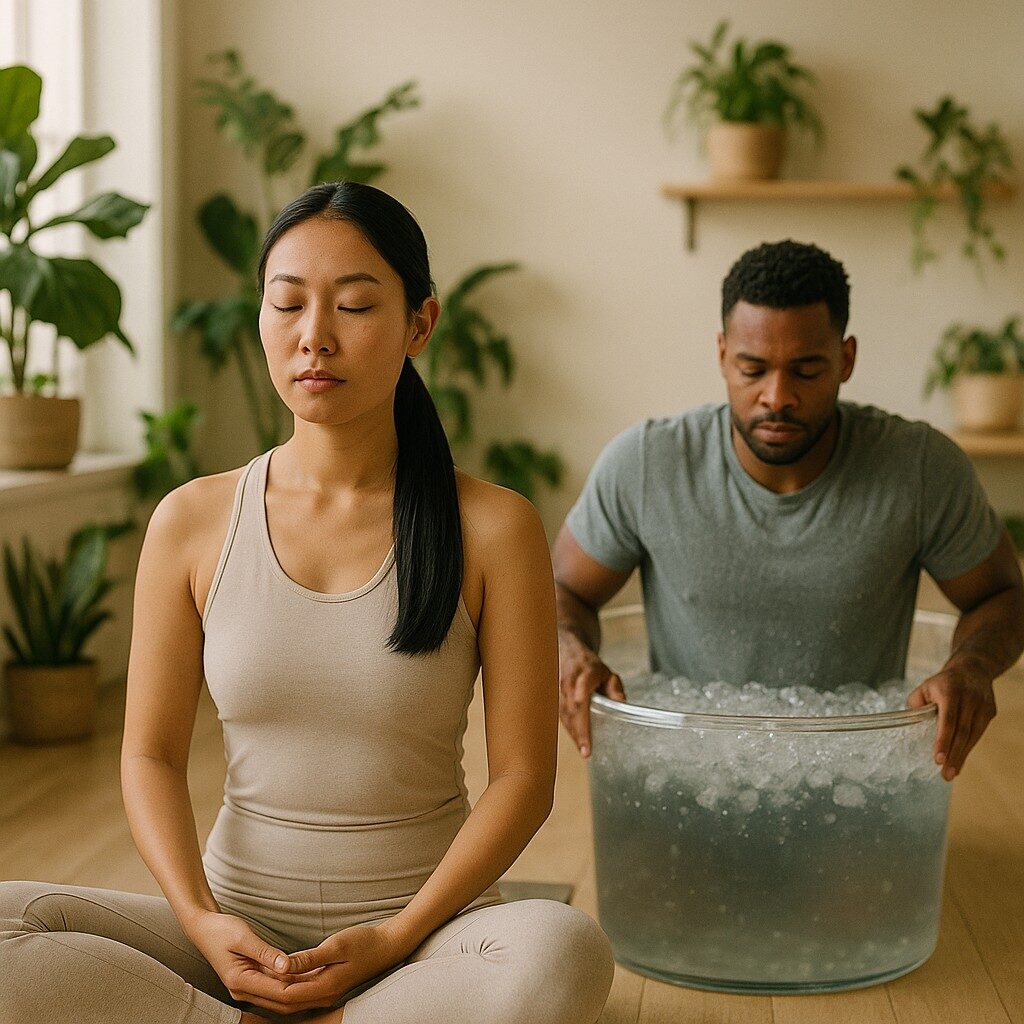
By the end of this article, you’ll understand the science behind this powerful combination, learn specific techniques to implement safely, discover the remarkable benefits for body and mind, and gain confidence to begin your own breathwork and cold exposure journey—whether you’re a curious beginner or looking to refine your existing practice.
Why combine breathwork and cold plunges? The science behind the trend
The combination of intentional breathing and cold exposure isn’t merely a trendy wellness practice—it’s grounded in fascinating physiology. Breathwork directly influences your autonomic nervous system, helping shift from the sympathetic (fight-or-flight) state to the parasympathetic (rest-and-digest) state. By controlling your breath, you regulate heart rate, blood pressure, and stress hormone release while activating the vagus nerve—your body’s relaxation superhighway.
Cold plunges, meanwhile, trigger an entirely different cascade of responses. The shock of cold water causes vasoconstriction (narrowing of blood vessels), followed by vasodilation as you warm up. This pumping action enhances circulation, reduces inflammation, and releases a flood of mood-enhancing neurotransmitters including dopamine, norepinephrine, and endorphins—often referred to as the body’s natural painkillers and mood elevators.
When practiced together, these modalities create a powerful synergy. Research from the Radboud University Medical Center shows that controlled breathwork before cold exposure helps practitioners maintain composure and reduce the stress response when immersed in cold temperatures. The breathing primes your nervous system, allowing you to remain calm during the cold shock and extract maximum benefits from both practices.
Dr. Susanna Søberg, a leading researcher in cold therapy, explains: “The combination works because breathwork helps manage the initial cold shock response, allowing for deeper cold adaptation while promoting simultaneous activation of stress resilience pathways. This paired approach accelerates both physical recovery and mental training.”
Popular breathwork methods paired with cold therapy
Several breathing techniques complement cold exposure particularly well:
- Wim Hof Method – Perhaps the most famous pairing, involving cyclic hyperventilation followed by breath retention, designed specifically to prepare the body for cold exposure
- Box breathing – A technique using equal counts for inhale, hold, exhale, and hold (typically 4-4-4-4), excellent for nervous system regulation before plunging
- Diaphragmatic breathing – Deep belly breathing that maximizes oxygen intake and activates the parasympathetic nervous system, ideal for maintaining calm during cold exposure
- 4-7-8 breathing – Inhale for 4, hold for 7, exhale for 8, helping reduce anxiety before confronting the discomfort of cold
Each method offers unique benefits, but all share the common goal of preparing your mind and body to embrace the cold with greater control and presence.
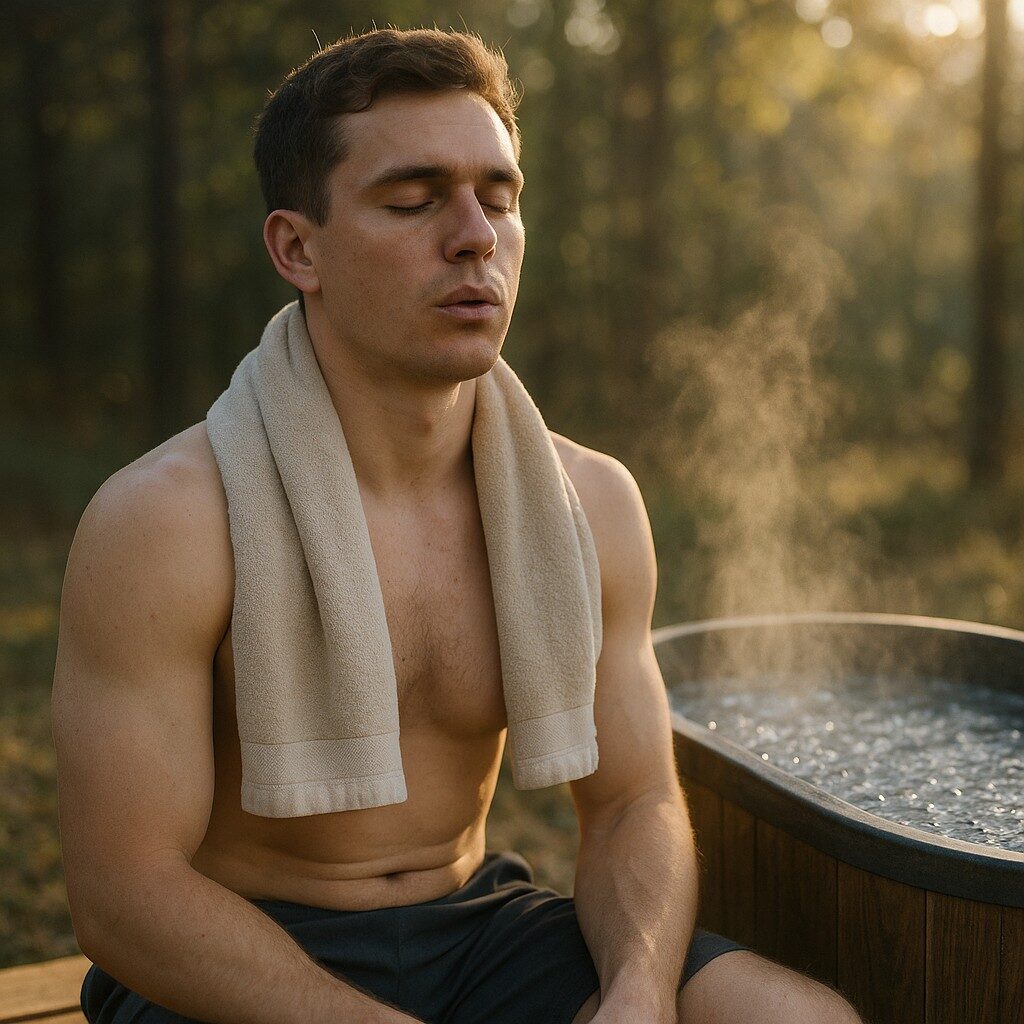
The key benefits of the breathwork and cold plunge combo
Combining controlled breathing techniques with cold water immersion offers advantages beyond what either practice provides alone. This powerful pairing creates a comprehensive approach to wellness that addresses both physical and psychological dimensions.
- Enhanced recovery after exercise – The combination accelerates muscle repair and reduces inflammation more effectively than either practice alone. The breathwork helps manage the cold shock while allowing the body to receive the full anti-inflammatory benefits of cold exposure.
- Heightened mental clarity and focus – Practitioners report experiencing an “alert calm” state after sessions. The cold triggers catecholamine release (including dopamine and norepinephrine) that improves attention, while breathwork cultivates mindfulness and present-moment awareness.
- Anxiety and stress reduction – The controlled breathing activates the parasympathetic nervous system, while cold exposure has been shown to increase production of mood-regulating neurotransmitters. Together, they create a powerful reset for an overactive stress response.
- Improved immune function – Research indicates that regular cold exposure coupled with breathwork may enhance immune cell activity and increase white blood cell counts. The breathwork component helps regulate the stress response that might otherwise compromise immunity.
- Increased energy and vitality – The practice stimulates mitochondrial biogenesis (the creation of new energy-producing units within cells) while also triggering the release of adrenaline and other energizing hormones.
- Strengthened mental resilience – Voluntarily facing the discomfort of cold while maintaining breath control builds psychological fortitude that transfers to other life challenges.
Performance coach Jesse Coomer notes that “the breathwork-cold plunge combination creates a perfect environment for practicing mindfulness in discomfort. This translates directly to better performance under pressure in athletics, business, and personal challenges.”
While these benefits are impressive, safety remains paramount. Individuals with certain health conditions including uncontrolled high blood pressure, heart disease, Raynaud’s syndrome, pregnancy, or seizure disorders should consult healthcare providers before attempting cold exposure. Even healthy individuals should progress gradually and never practice extreme breathing techniques while in water due to blackout risks.
For those looking to enhance their practice, several excellent guided breathwork apps are available to help structure your sessions, including Breathwrk, Othership, and Breath Hub, which offer specific protocols designed to pair with cold exposure.
How to safely practice breathwork before (or during) a cold plunge
The key to a successful breathwork and cold plunge practice lies in proper preparation and execution.
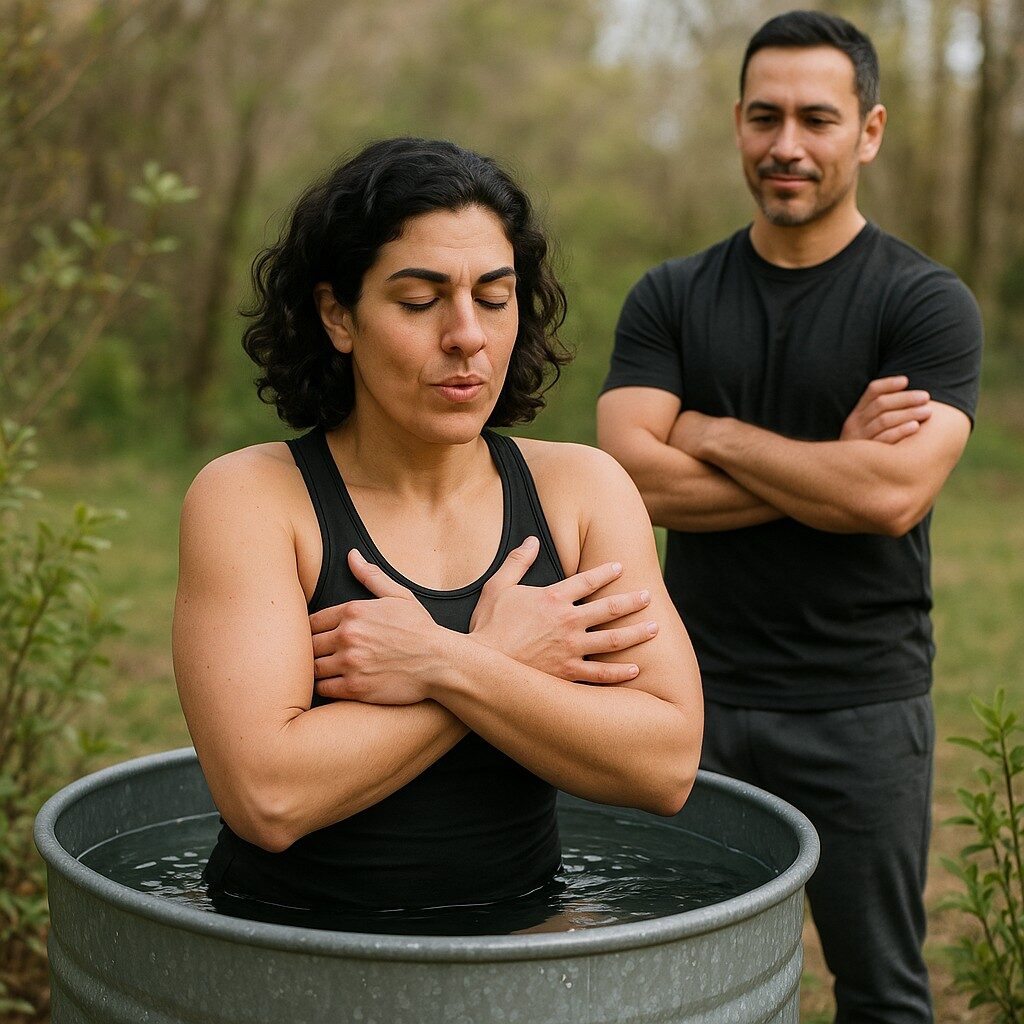
Following a structured approach ensures both safety and maximum benefit, especially for beginners encountering this powerful combination for the first time.
Begin by selecting a comfortable, quiet space for your breathwork where you won’t be disturbed. Your cold plunge setup—whether a purpose-built tub, converted freezer, bath with ice, or natural body of water—should be prepared beforehand to allow seamless transition between practices.
Pre-plunge preparation
- Set clear intentions – Take a moment to establish your purpose for the session, whether it’s recovery, mental clarity, or stress reduction
- Warm the body – Perform light movement or stretching for 3-5 minutes to generate internal heat
- Begin breathwork seated – Start with 2-3 minutes of diaphragmatic breathing to establish baseline relaxation
- Transition to preparatory breathing – For beginners, box breathing (4 counts in, 4 hold, 4 out, 4 hold) for 3-4 minutes helps regulate the nervous system
- Advanced option – Practitioners familiar with the Wim Hof Method may perform 3-4 rounds of power breathing (30-40 rapid breaths followed by retention)
During the cold plunge
- Enter gradually – Step in slowly or use the “dip and adjust” method rather than jumping in
- Focus on breath control – Take slow, deep breaths through the nose for the first 30 seconds to manage the cold shock response
- Establish rhythm – Once settled, maintain a pattern of breathing: 4-second inhales through the nose, 6-second exhales through slightly pursed lips
- Stay mindful – Direct attention to sensations without judgment, noting when thoughts drift to discomfort
- Respect limits – Begin with just 1-2 minutes at 50-59°F (10-15°C) and gradually increase duration as your body adapts
Post-plunge recovery
- Exit mindfully – Move slowly when getting out to accommodate potential blood pressure changes
- Dry off promptly – Use a towel to remove moisture but avoid immediate hot showers
- Rewarm naturally – Allow the body to generate internal heat through light movement
- Integration breathing – Perform 2-3 minutes of slow, deep breathing to process the experience
- Note observations – Consider keeping a journal to track your experiences and progress
Safety remains paramount during this practice. Never perform hyperventilation breathing while in water, as it can lead to hypocapnia (low carbon dioxide levels) and potential blackout. Always have someone nearby when beginning your cold therapy journey, and exit immediately if you experience numbness, extreme shivering, confusion, or slurred speech—all signs of hypothermia.
For a deeper understanding of proper breathing mechanics, resources like the Oxygen Advantage program offer comprehensive guidance on functional breathing patterns that complement cold exposure practices.
Sample breathwork and cold plunge routine for beginners
For those just starting out, this simple routine provides a safe introduction:
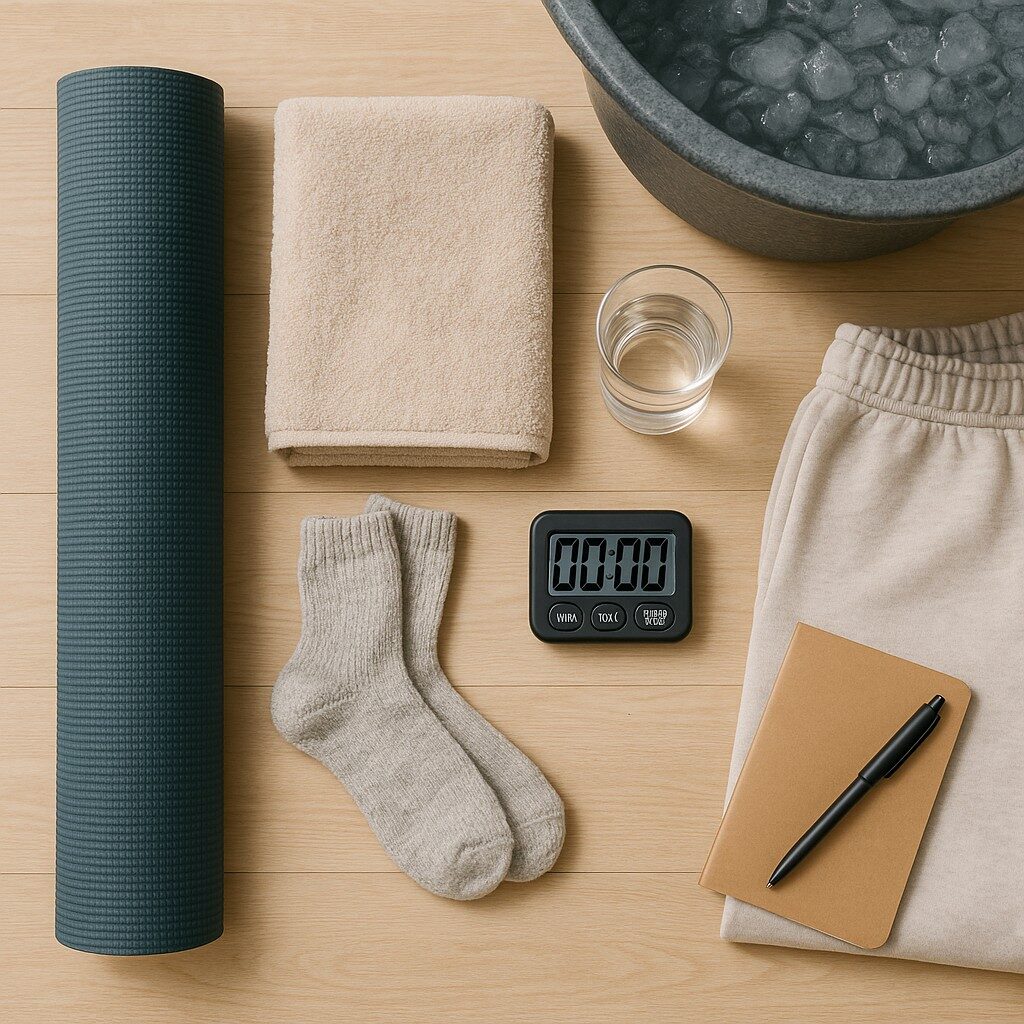
- 2 minutes of diaphragmatic breathing (focus on expanding the belly on inhale)
- 3 minutes of box breathing (4-4-4-4 count)
- Preparation: remove jewelry, set timer, have towel and warm clothes ready
- Cold plunge: enter gradually, immerse to shoulders if possible
- Focus on slow nasal breathing for 1 minute
- Exit slowly, dry off
- Perform 2 minutes of gentle movement (arm swings, marching in place)
- Conclude with 2 minutes of relaxed breathing
Repeat this process 2-3 times weekly, gradually increasing cold exposure time by 30 seconds each week until reaching 3-5 minutes.
Tips, myths, and common mistakes to avoid
Maximizing the benefits of your breathwork and cold plunge practice requires understanding several key principles that many newcomers overlook. By addressing common misconceptions and refining your approach, you’ll extract greater value from each session while maintaining safety.
Essential tips for optimal results
- Temperature matters – For therapeutic benefits, water temperature between 50-59°F (10-15°C) is ideal for beginners. Benefits begin at around 60°F, but temperatures below 40°F require advanced preparation and should be approached with extreme caution.
- Consistency trumps intensity – Regular shorter sessions (2-3 minutes, 3-4 times weekly) produce better adaptations than occasional extreme exposures.
- Mind-body connection – Approach each session with clear intention rather than distraction. The mental component of breathwork and cold exposure significantly impacts physiological response.
- Progressive adaptation – Your body requires time to develop cold resilience. Rushing the process diminishes benefits and increases risk.
- Post-workout timing – For recovery purposes, wait 30-60 minutes after intense exercise before cold immersion to allow the initial inflammatory response to trigger repair processes.
Common myths debunked
- Myth: Longer is always better – Extended cold exposure (beyond 10-15 minutes) may actually diminish benefits and increase risk without providing additional advantages.
- Myth: Colder is always better – Extreme temperatures aren’t necessary for benefits and dramatically increase risk. Most therapeutic effects occur between 50-59°F.
- Myth: It’s only for athletes – While popular among athletes, everyday individuals often see more profound relative improvements in stress resilience and mental clarity.
- Myth: Hyperventilating helps tolerate cold – Aggressive hyperventilation can be dangerous before cold exposure, potentially leading to altered consciousness.
- Myth: You need expensive equipment – While dedicated cold plunges are convenient, ice baths in regular tubs, cold showers, or even natural bodies of water can provide similar benefits.
Mistakes to avoid
- Breath holding underwater – Never practice breath retention while submerged; perform breathing exercises before entering water.
- Forcing extended durations – Pushing beyond your current adaptation level can trigger counterproductive stress responses.
- Neglecting preparation – Skipping proper breathwork preparation diminishes your ability to relax into the cold.
- Cold plunging when ill – During active infections, your body needs energy for recovery, not for responding to cold stress.
- Solo sessions as beginners – Always have someone nearby during initial experiences with cold exposure.
- Warming too quickly – Using hot showers immediately after cold exposure prevents full adaptation benefits; rewarm gradually instead.
Dr. Mark Harper, anesthesiologist and author of “Chill: The Cold Water Swim Cure,” emphasizes that “the greatest benefits come not from extreme protocols but from consistent, moderate practice that allows the body to adapt progressively while minimizing stress.”
For those seeking quality cold therapy equipment, brands like Cold Plunge, Morozko Forge, and Ice Barrel offer well-designed solutions, though simple DIY approaches using a regular bathtub and ice can be equally effective for beginners exploring this practice.
Conclusion
The breathwork and cold plunge combination represents a unique intersection of ancient wisdom and modern science—a powerful pairing that can transform your physical health, mental clarity, and emotional resilience. By understanding the physiological mechanisms at work and implementing proper techniques, you can harness these complementary practices to reduce stress, accelerate recovery, boost energy, and build psychological fortitude.
The beauty of this practice lies in its accessibility. While the initial cold shock may seem intimidating, proper breathing preparation makes the experience not only manageable but eventually enjoyable. Start with brief exposures, focus on breath control, and gradually build your resilience. The benefits extend far beyond the moments spent in cold water, influencing everything from your stress response to inflammation levels and mental performance.
Whether you’re an athlete seeking enhanced recovery, a professional looking for stress management tools, or simply curious about optimizing your wellbeing, the breathwork and cold plunge combination offers a pathway to greater physical and mental health. Begin where you are—even with cold showers and simple box breathing—and allow your practice to evolve naturally as your body adapts.
By embracing discomfort mindfully, you develop a profound capacity for remaining calm and centered in all areas of life. The breathwork and cold exposure journey teaches perhaps its greatest lesson: that with proper preparation and presence, we can face challenges with composure, finding strength and even joy in the midst of intensity.
Frequently asked questions (FAQ)
Is it safe to combine breathwork with cold plunges every day?
Most healthy individuals can practice the combo several times a week, but daily exposure may not be necessary or optimal. Listen to your body, and consult a healthcare provider if new to intense cold exposure.
How long should a beginner stay in an ice bath after breathwork?
Start with 1–2 minutes at 50–59°F (10–15°C); build up gradually as tolerance increases.
What breathwork method is best before a cold plunge?
Box breathing or deep diaphragmatic breathing are ideal for calming nerves; high-intensity hyperventilation techniques should generally be avoided just before immersion.
Who should avoid cold plunges or cold therapy?
People with heart conditions, unmanaged hypertension, Raynaud’s disease, or pregnant individuals should consult a doctor first.
How can I make cold plunges more comfortable as a beginner?
Focus on slow, controlled breathing, immerse gradually, and end with warmth and gentle movement.