 English
 French
 German
 Lithuanian
 Polish
 Spanish
The backyard wellness revolution is here, and it’s transforming how we think about our outdoor spaces. As stress levels rise and the demand for accessible daily relaxation grows, homeowners are looking beyond traditional patios and gardens to create true wellness sanctuaries steps from their back door. No longer just a place for barbecues and lawn chairs, your yard can become a powerful tool for enhancing both mental and physical well-being.
Today’s outdoor wellness enthusiasts are pushing beyond the basics—forget the simple yoga mat on the lawn or a few citronella candles. The modern approach to backyard wellness incorporates innovative elements that engage all the senses, connect us with nature, and provide meaningful respite from our hectic lives. If you’re ready to transform your outdoor space into something truly restorative, you’ll want to explore how to make your garden feel like a 5-star spa with these unexpected additions.
In this guide, we’ll explore five extraordinary backyard wellness hacks that you likely haven’t encountered before—each designed to elevate your at-home relaxation experience and create a personalized retreat that supports holistic health in surprising ways.
Hack #1: Build a dedicated outdoor sound bath zone
Sound therapy has moved beyond indoor wellness centers and into our backyards, creating one of the most accessible yet profound wellness experiences available. An outdoor sound bath zone leverages both natural and created sounds to induce deep relaxation, reduce stress, and enhance mindfulness practice.
Research from the Journal of Evidence-Based Integrative Medicine suggests that sound therapy can significantly decrease tension, anger, and fatigue while increasing spiritual well-being. When experienced outdoors, these benefits amplify as they combine with the natural healing elements of fresh air and natural light.
Creating your own backyard sound sanctuary doesn’t require enormous space or investment. Even a small corner can become a sound oasis with thoughtful design:

- Strategically placed wind chimes in varying tones and materials (bamboo for soft, gentle sounds; metal for crisp, lingering notes)
- A dedicated shelf or table for singing bowls, which produce resonant tones that many practitioners believe help balance energy centers
- Water features like small fountains that provide consistent, soothing background sounds
- Weather-resistant bluetooth speakers disguised within planters for nature soundscapes when natural elements are calm
- Hollow bamboo “clackers” that create rhythmic sounds when moved by the breeze
Sound therapist Elena Brower recommends placing sound elements at varying heights to create what she calls a “three-dimensional sound experience.” Position wind chimes at different elevations and consider how sound will travel through your space. Natural boundaries like hedges or fences can help contain and reflect sound, enhancing the immersive quality.
For optimal benefits, create a comfortable seating area within your sound zone. A weather-resistant cushion, small bench, or even a hammock provides a dedicated space to fully absorb the therapeutic effects. Many sound bath enthusiasts report the greatest benefits when they can fully relax into the experience rather than standing or moving through the space.
If you’re concerned about neighbors, focus on gentle sound elements like water features or low-tone wind chimes that won’t travel beyond your property line. Remember that the goal is mindful relaxation, not disruption—the best sound baths create gentle, ambient experiences rather than jarring noises. Looking to elevate your sound experience further? Find out more about sauna rituals for stress relief that pair beautifully with sound therapy.
Hack #2: DIY aromatherapy & sensory planting design
Traditional gardens focus primarily on visual appeal, but a true wellness garden engages all the senses—especially our often-neglected sense of smell. A thoughtfully designed aromatherapy garden combines fragrant plants with tactile elements to create a multisensory experience that can reduce anxiety, improve mood, and enhance cognitive function.
The power of plant aromatherapy lies in its biological effects. When we inhale certain plant compounds, they interact directly with our limbic system—the brain’s emotional center—triggering powerful physiological responses. This is why the scent of lavender can induce calm, while rosemary has been shown to improve memory and concentration.
Creating your own aromatherapy garden starts with strategic plant selection:
- For stress relief: Lavender, chamomile, lemon balm
- For energy and focus: Rosemary, mint varieties, citrus trees
- For emotional balance: Rose, jasmine, geranium
- For sleep support: Valerian, passionflower, night-blooming jasmine
Design your sensory garden in “fragrance zones” rather than just for visual harmony. Place plants with complementary scents near each other and consider when they’ll be most fragrant. Some plants, like jasmine, release their strongest scent in the evening, making them perfect near outdoor dining spaces used at night. Others, like roses, emit stronger fragrances during warm daytime hours.
Landscape architect Jennifer Neville recommends incorporating touch-responsive plants as well. “Lamb’s ear, with its velvety soft leaves, offers a tactile experience that can be deeply grounding for people experiencing anxiety,” she explains. “Similarly, ornamental grasses that rustle in the breeze provide both auditory and tactile stimulation.”
For small spaces or renters, portable container gardens work beautifully for sensory planting. Consider these space-efficient options:

- Vertical herb walls near seating areas, where brushing against plants releases their scent
- Railing planters filled with trailing scented varieties like trailing rosemary or creeping thyme
- Sensory tabletop gardens in containers that can be moved to optimize sun exposure
- Hanging baskets positioned at nose height for maximum fragrance appreciation
To maximize your sensory garden year-round, incorporate plants with different blooming seasons and consider evergreen aromatic plants like rosemary or lavender that provide scent even in cooler months. Place seating strategically to create immersive “sensory pockets” where you can fully experience the therapeutic benefits of your plantings.
Designing a yard for wellness through aromatherapy does more than create a beautiful space—it transforms your backyard into an active participant in your daily well-being routine.
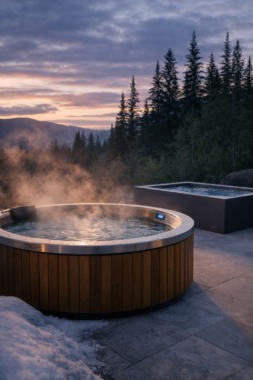
Hack #3: Backyard cold plunge or plunge pool — not just for influencers!
Cold water therapy has exploded in popularity, with celebrities and wellness influencers showcasing elaborate ice baths and cold plunges across social media. Yet this powerful wellness practice isn’t just for those with unlimited budgets or Instagram followings—it’s surprisingly accessible for the average homeowner seeking tremendous health benefits.
The science behind cold therapy is compelling. Brief cold exposure activates the body’s stress response in a controlled way, releasing endorphins and norepinephrine while reducing inflammation. Research published in the journal PLOS ONE found that regular cold exposure improved mood, increased energy levels, and reduced symptoms of depression and anxiety. Physical benefits include faster muscle recovery, improved circulation, and enhanced immune function.
Creating your own backyard cold plunge doesn’t require permanent construction or thousands of dollars. Consider these budget-friendly approaches:
- Stock tank conversion: Agricultural stock tanks ($100-300) can be outfitted with filters and drainage systems
- Inflatable ice bath: Purpose-built inflatable cold plunges ($200-500) offer portability and easy storage
- Whiskey barrel soak: Half wine or whiskey barrels make aesthetically pleasing and compact plunge options
- Converted chest freezer: With proper electrical safety modifications, chest freezers can become temperature-controlled plunges
- Natural water integration: If you have an existing water feature, consider designating a deeper section for controlled cold therapy
Dr. Susanna Soeberg, cold therapy researcher and author, recommends starting with water temperatures between 50-60°F (10-15°C) for beginners, gradually working down to colder temperatures as your body adapts. “The key is brief exposure—typically 1-3 minutes—rather than extended immersion,” she advises. “This provides maximum benefit while minimizing risks.”
For a complete cold therapy experience, consider these additions to your plunge area:

- A timer within view to monitor immersion duration
- Non-slip steps or a sturdy entry point for safety
- Hooks for towels and robes within arm’s reach
- A meditation bench or seat nearby for breathing exercises before and after
- Privacy screens using plants or wooden panels if your yard is visible to neighbors
Safety is paramount with cold therapy. Always check with your healthcare provider before beginning, especially if you have heart conditions, Raynaud’s syndrome, or other health concerns. Never plunge alone, and always have a warm-up strategy in place. Read real-life advice from someone who tried a cold plunge every day to understand how to incorporate this practice sustainably.
With proper planning, even modest backyards can accommodate this powerful wellness hack that delivers benefits far beyond what its simple appearance might suggest.
Hack #4: Sauna, steam, or DIY sweat lodge — Scandinavian rituals reshaped
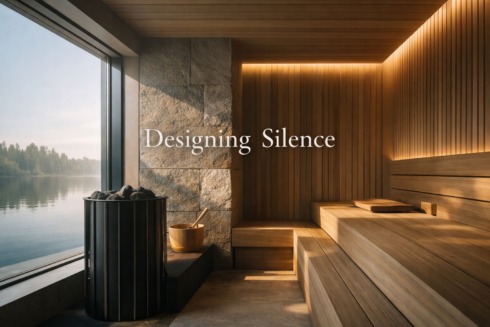
The ancient practice of heat therapy is experiencing a modern backyard renaissance, with homeowners discovering innovative ways to incorporate sauna benefits without major construction or permanent installations. This wellness hack draws inspiration from traditional Finnish sauna culture but adapts it for contemporary outdoor spaces and budgets.
Heat therapy offers remarkable health benefits that complement other wellness practices. Regular sauna use has been associated with improved cardiovascular function, enhanced detoxification through sweating, reduced muscle tension, and significant stress relief. The Finnish Sauna Society points to research showing regular sauna bathing may reduce the risk of cardiovascular events and support longevity when practiced consistently.
Today’s outdoor heat therapy options range from high-end installations to creative DIY approaches:
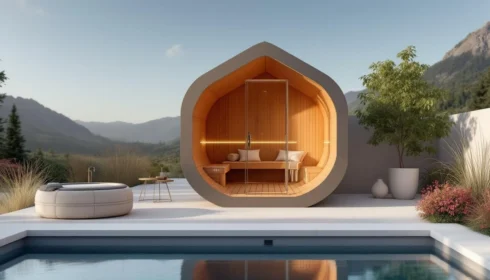
- Barrel saunas: Compact, efficient designs that start around $4,000-6,000 and require minimal foundation
- Portable tent saunas: Collapsible options ($200-500) that use steam or infrared heat for temporary setups
- Converted sheds: Existing garden structures retrofitted with appropriate insulation and electric heaters
- Infrared sauna pods: Modern, energy-efficient units that heat the body directly rather than the air
- DIY sweat lodges: Simple structures using natural materials and heated stones for a more traditional experience
The most accessible entry point for many is the portable or “pop-up” sauna, which can be set up for weekend use and stored when not needed. These units typically accommodate 1-2 people and can reach temperatures of 120-150°F while using standard household electrical outlets. For those with more space and budget, pre-fabricated outdoor saunas offer convenient installation without full construction requirements.
Sauna designer Anders Olsen recommends considering placement carefully: “Position your outdoor heat therapy space where it has some connection to nature—a view of trees, plants, or the sky enhances the experience tremendously. Also consider privacy, access to water for cooling off, and protection from prevailing winds.”
To create a complete outdoor wellness circuit, many enthusiasts pair their heat therapy option with:
- A cold plunge or shower for contrast therapy
- A relaxation area with comfortable seating
- A hydration station with water and herbal teas
- Aromatherapy elements like cedar, eucalyptus, or essential oils
- Special lighting for evening use
Before installing any heat therapy option, check local building codes and HOA regulations. Most portable options don’t require permits, but permanent structures typically do. Also ensure proper electrical safety if using electric heaters, especially in outdoor environments where moisture is present.
The restorative practice of alternating heat exposure with cooling periods creates what Finnish practitioners call “löyly”—a deeply restorative state that combines physical relaxation with mental clarity. By bringing this ancient practice into your backyard in whatever form fits your space and budget, you create access to one of humanity’s oldest wellness rituals in your daily life.
Hack #5: Mindful labyrinths, pathways, or "sit spots" for daily reflection
While meditation gardens aren’t new, the intentional creation of walking paths and designated contemplation areas represents an underutilized approach to backyard wellness. These thoughtfully designed spaces transform ordinary yards into powerful tools for mindfulness practice, stress reduction, and creative thinking—often using elements already present in the landscape.
The concept draws from ancient traditions across cultures, from Japanese Zen gardens to medieval European labyrinths, but with modern adaptations suited to contemporary home landscapes. Unlike meditation requiring specific postures or techniques, these mindful movement spaces invite natural interaction that makes daily practice more accessible and sustainable.
The simplest form—a designated “sit spot”—requires nothing more than identifying an optimal location for regular contemplation. The practice involves visiting this same spot daily, observing seasonal changes, wildlife patterns, and one’s own shifting internal landscape. This micro-practice connects us to nature’s rhythms in profound ways, even in modest urban settings.
For those with more space, consider these mindful movement options:

- Simple path labyrinths: Created with stones, pavers, plants, or even mowed patterns in lawn areas
- Spiral gardens: Circular walking paths that narrow toward a central point, often with herbs or sensory plants lining the route
- Stepping stone pathways: Intentionally designed to slow walking pace and encourage mindful foot placement
- Contemplative circuits: Connected paths linking several “pause points” with different sensory experiences
- Mindful meandering routes: Less structured paths that invite wandering and discovery
Environmental psychologist Dr. Claire Cooper Marcus, who studies healing gardens, explains: “Moving the body through space while maintaining mental focus creates a unique state of awareness. The physical act of following a path or labyrinth occupies the logical mind, allowing deeper contemplation to emerge naturally.”
Creating these spaces doesn’t require extensive landscaping or expense. Consider these accessible approaches:
- Use existing garden borders to define a simple walking circuit
- Create a temporary labyrinth with rope, solar lights, or natural materials
- Establish three distinct “pause points” with different views or sensory experiences
- Design a simple stone spiral that can be walked in contemplative circles
- Mark a meaningful sit spot with a special stone, bench, or visual anchor
To enhance the experience, many practitioners add elements that support the reflective journey:
- A weather-resistant journal at the endpoint to record thoughts
- A small bell or chime to mark the beginning and end of practice
- Sensory markers along the path that invite touching, smelling, or close observation
- Simple question prompts (“What am I grateful for today?”) at key points
- A symbolic threshold that marks the transition into mindful space
Neuroscientist Dr. Andrew Huberman points to research suggesting that combining gentle movement with mindful awareness stimulates cognitive pathways associated with problem-solving and creativity while reducing cortisol levels associated with stress. The healing power of the outdoors is amplified when we engage with it through intentional movement and regular practice.
Unlike meditation apps or indoor practices, these physical spaces become visible daily invitations to pause—constant reminders to incorporate moments of presence into even the busiest days.
Transform your space, transform your wellness
These five innovative backyard wellness hacks represent just the beginning of what’s possible when we reimagine our outdoor spaces as active participants in our health journey. Whether you have an expansive yard or a modest balcony, elements of sound therapy, sensory planting, cold exposure, heat therapy, and mindful pathways can be adapted to fit your specific space and wellness goals.
The beauty of these approaches lies in their flexibility—you can start small with a single sit spot or portable cold plunge, then expand your backyard wellness sanctuary as you discover which practices resonate most deeply with your needs. Many enthusiasts find that combining elements, like creating a sensory garden along a mindful pathway or positioning a cold plunge near a portable sauna, creates powerful wellness circuits that address multiple dimensions of health.
Remember that these wellness hacks aren’t meant to become additional sources of stress or pressure. Start with what feels most appealing and accessible, allowing your practice to evolve naturally. The most effective backyard wellness space is one that you’ll actually use regularly—even if it’s simpler than what you see on social media or in wellness magazines.
By thoughtfully integrating these elements into your outdoor environment, you transform everyday moments—morning coffee, evening unwinding, weekend relaxation—into opportunities for meaningful self-care and restoration. Your backyard becomes not just a place you visit occasionally, but a vital extension of your wellness routine and a daily source of balance in an increasingly hectic world.
Frequently asked questions
What are the health benefits of a backyard cold plunge?
Plunges can improve mood, reduce inflammation, and promote faster muscle recovery—but beginners should research best practices and safety warnings.
Can I create a wellness garden in a small or rented yard?
Absolutely! Use portable planters, vertical gardens, sound elements, or a single “sit spot” for maximum effect in minimal space.
How do I maintain a backyard sauna or outdoor steam area?
Regularly clean wood surfaces, check heaters, and follow safety instructions; portable options have minimal maintenance needs.
What's the difference between a meditation garden and a labyrinth?
A meditation garden is any peaceful spot for quiet and reflection; a labyrinth is a specific walking path for meditative movement.
Are there budget-friendly backyard wellness upgrades?
Yes—DIY sound baths, potted herbs, recycled-material labyrinths, or portable pools are accessible, under-$200 ways to start your wellness retreat.