 English
 French
 German
 Lithuanian
 Polish
 Spanish
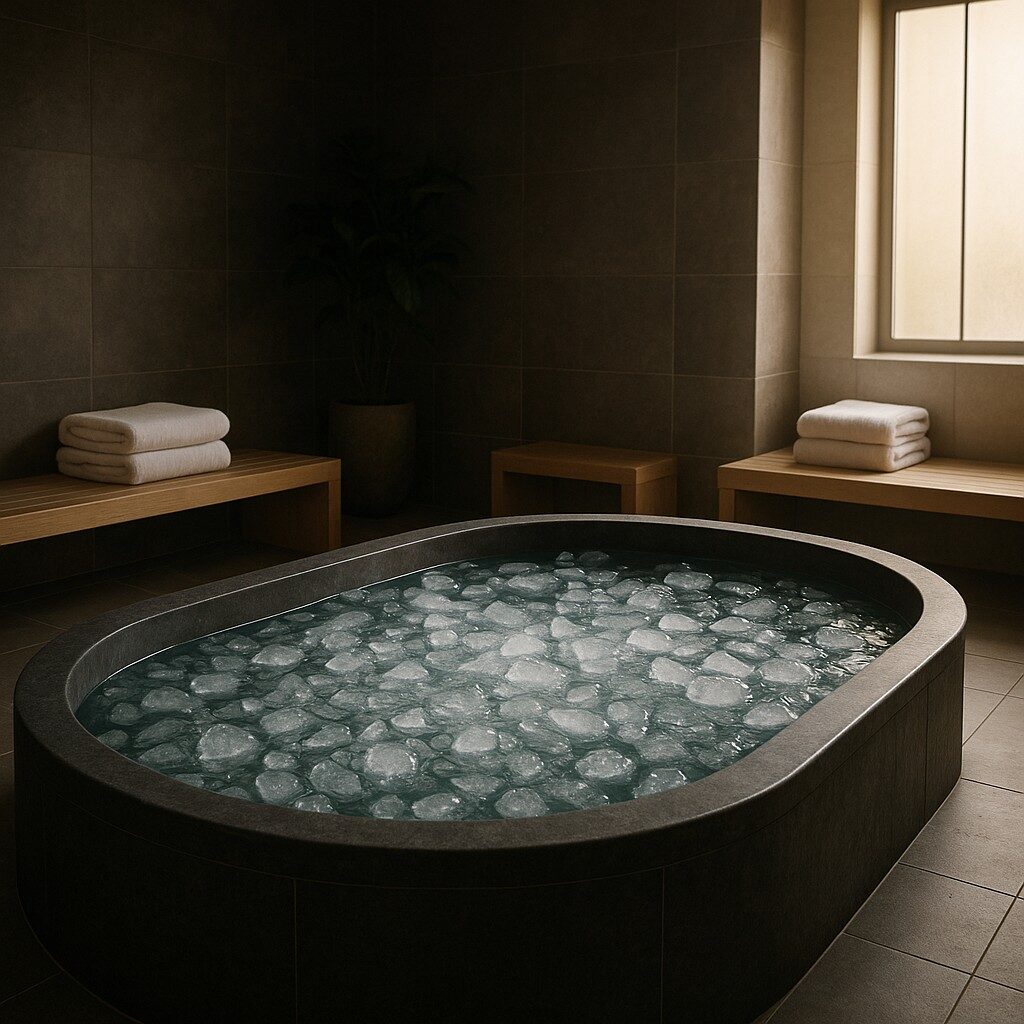
Cold plunges (or ice baths) are rapidly becoming a favored recovery tool for athletes, fitness enthusiasts, and biohackers worldwide. They promise faster recovery, reduced inflammation, and a boost in mental resilience. However, getting the maximum benefits from cold water therapy means practicing it safely and mindfully — and avoiding the common mistakes that can limit gains or even cause harm. This guide unpacks the most frequent pitfalls with actionable tips, so you can make the most of your cold plunge experience for your body and mind.
By the end of this article, you’ll understand how to build resilience and reduce stress through proper cold immersion techniques.
Not respecting your personal limits and health status
Before submerging yourself in frigid waters, understanding your own physical baseline is non-negotiable. The enthusiasm for cold therapy can sometimes overshadow the importance of honoring individual limitations and health considerations.
Certain medical conditions may make cold exposure particularly risky. Individuals with cardiovascular issues, uncontrolled hypertension, or peripheral vascular diseases should approach this practice with extreme caution. The body’s response to sudden cold exposure includes vasoconstriction and increased blood pressure, which can exacerbate existing circulatory concerns.
Similarly, those with Raynaud’s syndrome, where extremities become numb and cold in response to stress or cold temperatures, may find that immersion therapy worsens their symptoms rather than providing benefits. Consulting healthcare providers before beginning any cold immersion regimen is essential, especially if you’re managing chronic conditions or take medications that affect circulatory function.
Even for healthy individuals, listening to your body’s signals is crucial. Cold intolerance varies significantly between people based on factors including body composition, previous cold exposure, and even genetic predisposition. Pushing beyond your comfortable threshold may trigger a stress response that counteracts the very benefits you’re seeking.
Common health contraindications
- Uncontrolled high blood pressure or cardiovascular disease
- Raynaud’s phenomenon or peripheral vascular disorders
- Respiratory conditions like severe asthma
- Pregnancy (especially without medical guidance)
- Recent surgeries or open wounds
- Certain neurological conditions
Remember that cold exposure therapy should feel challenging but manageable. If you experience extreme discomfort, dizziness, or unusual symptoms, exit the water immediately. For those new to this practice, discovering premium cold plunge solutions with safety features and temperature control can provide a more controlled environment for beginners.
Going too cold or too long too fast
A widespread misconception in cold water immersion is that more extreme conditions yield better results. This “more is better” approach often leads newcomers to attempt frigid temperatures or extended sessions prematurely.
Research indicates that the body requires gradual acclimatization to cold exposure for optimal adaptation. Beginning with water that’s too cold or sessions that are too long can trigger excessive stress responses, potentially causing hypothermia or heightened anxiety that may discourage continued practice.
For beginners, water temperatures between 10-15°C (50-59°F) provide sufficient stimulus while allowing the body to adapt gradually.
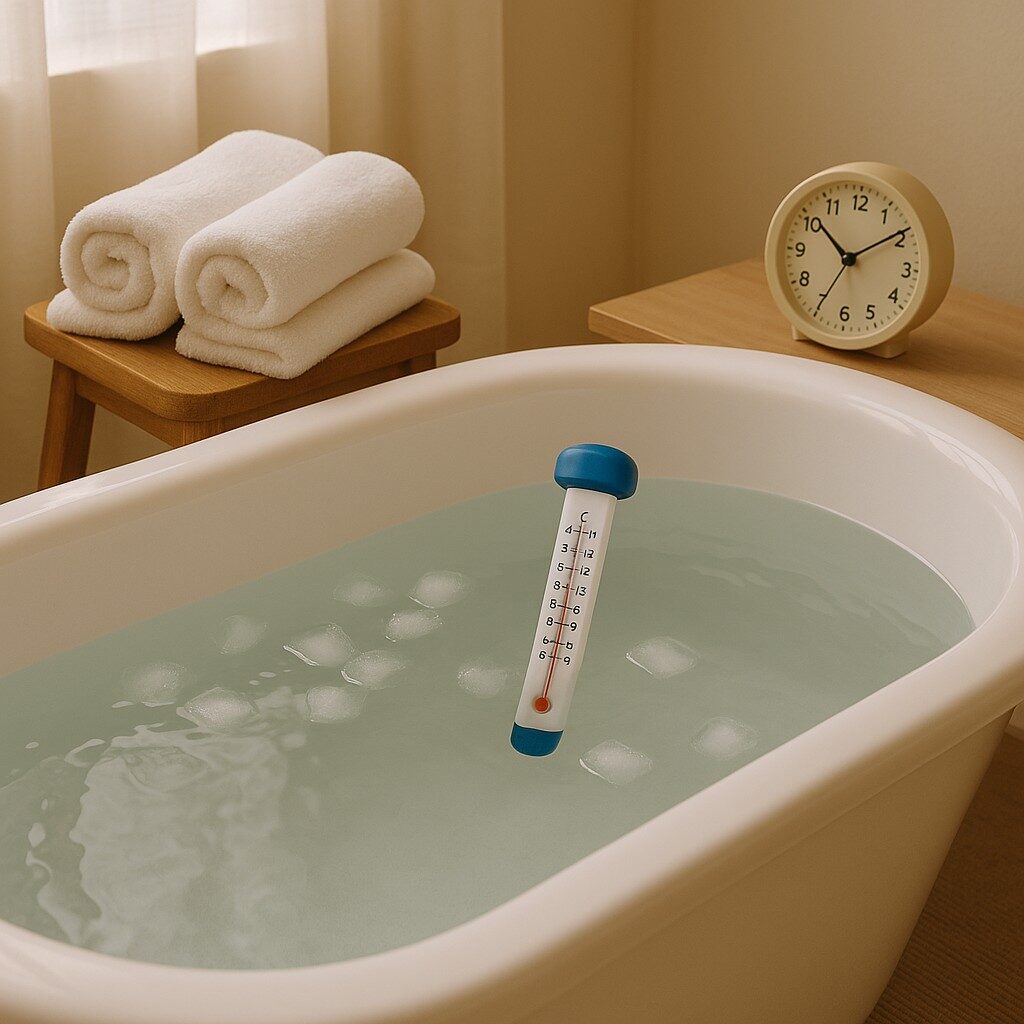
Initial immersions should last only 1-3 minutes, with incremental increases as tolerance develops. Even experienced practitioners rarely benefit from sessions exceeding 10 minutes, as diminishing returns begin to outweigh advantages.
The key lies in consistency rather than intensity. Regular brief exposures promote more sustainable physiological adaptations than occasional extreme sessions. This measured approach helps prevent the cold shock response—that gasping, hyperventilating reaction when entering cold water—which can be both unpleasant and potentially dangerous.
Beginner's progression plan
| Week | Temperature | Duration | Frequency |
|---|---|---|---|
| 1-2 | 15°C (59°F) | 1-2 minutes | 2-3x weekly |
| 3-4 | 12-14°C (54-57°F) | 2-3 minutes | 3-4x weekly |
| 5-6 | 10-12°C (50-54°F) | 3-5 minutes | 3-5x weekly |
| 7+ | 7-10°C (45-50°F) | 5-10 minutes | 3-5x weekly |
Remember that these are general guidelines—individual responses vary considerably. The goal isn’t endurance but consistent, manageable exposure that creates positive adaptations without overwhelming stress. For a comprehensive approach to building your personal routine, explore these practical steps for beginners based on real experience.
Ignoring breathing & mindset techniques
Many newcomers to cold immersion focus exclusively on the physical challenge while overlooking crucial mental preparation. Controlled breathing and psychological readiness significantly influence both safety and effectiveness of the practice.
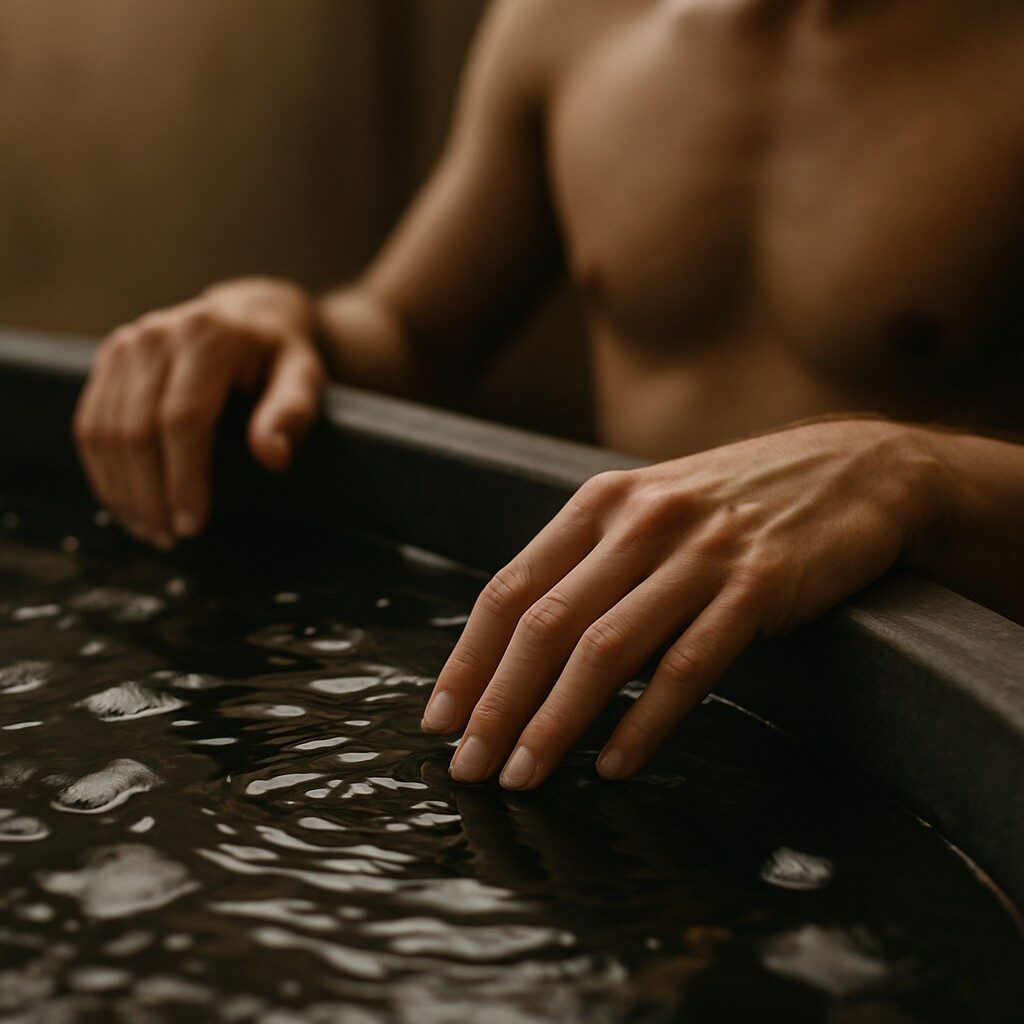
When your body encounters sudden cold, it naturally triggers the mammalian dive reflex—an involuntary response causing breath holding, decreased heart rate, and blood flow redirection. Without proper breathing techniques, this can lead to panic, hyperventilation, or even syncope (fainting). Mastering breathwork transforms the experience from frightening to invigorating.
Before entering cold water, establish a steady breathing pattern focusing on slow nasal inhales and complete exhales. This activates the parasympathetic nervous system, countering the fight-or-flight response cold exposure typically triggers. Continue with deliberate breathing throughout immersion—four-second inhales followed by six-second exhales help maintain composure and maximize vagal nerve stimulation.
Equally important is mental preparation. Visualization techniques, positive affirmations, and setting clear intentions before immersion help overcome initial resistance. Rather than focusing on discomfort, direct attention toward breathing rhythm and the specific benefits you’re seeking. This mindfulness approach transforms cold exposure from mere endurance into meditative practice.
Methods like the Wim Hof technique combine specific breathwork with cold exposure to amplify benefits. This approach involves controlled hyperventilation followed by breath retention before immersion, though beginners should first master basic relaxed breathing patterns. Discover the power of breathwork in cold plunging through properly sequenced combinations that enhance both physiological and psychological outcomes.
Remember that mental resilience builds gradually alongside physical adaptation. Approach each session with curiosity rather than dread, acknowledging discomfort while maintaining calm focus. This mindset transition often marks the difference between those who abandon the practice and those who receive lasting benefits.
Skipping post-plunge recovery protocols
The moments after exiting cold water are equally crucial as the immersion itself. Many practitioners underestimate this phase, potentially undermining benefits or increasing risk factors.
One important physiological phenomenon to understand is the “after-drop”—when core temperature continues declining even after exiting cold water. This occurs as chilled blood from extremities returns to the core circulation. Without proper rewarming protocols, this can lead to prolonged shivering, discomfort, or in extreme cases, hypothermia symptoms.
Effective post-immersion recovery begins with gentle movement.
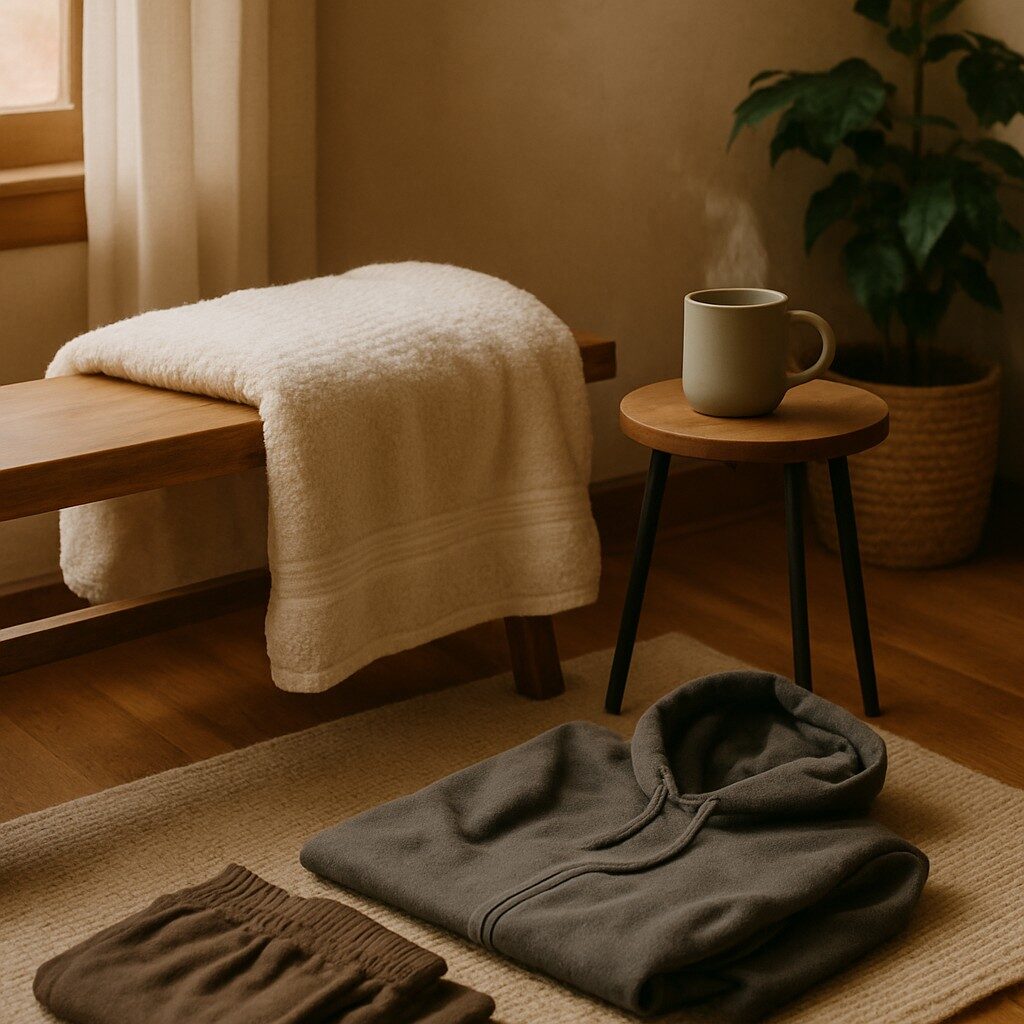
Light activity such as arm swinging, marching in place, or simple mobility exercises helps circulate blood without overexerting yourself. This supports natural rewarming while preventing blood pressure fluctuations that might occur with immediate intense activity.
Resist the urge to immediately enter hot showers or saunas. Extreme temperature contrasts can cause dizziness or cardiovascular stress in some individuals. Instead, allow your body to gradually rewarm through movement and dry clothing. If incorporating contrast therapy (alternating hot and cold exposure), begin with moderate warmth rather than extreme heat.
Hydration plays an underappreciated role in recovery. Cold exposure increases diuresis (urine production), potentially leading to dehydration. Consuming room temperature or warm fluids after immersion supports internal rewarming while replenishing fluid balance.
Some practitioners find that light stretching after rewarming helps address any muscle tension that developed during the cold response. This can be particularly beneficial when cold therapy is used for athletic recovery.
To optimize your recovery experience with professional-grade equipment designed for safety and effectiveness, enhance your at-home recovery with these modern cold plunge solutions that facilitate proper temperature management and comfortable transitions.
Neglecting consistency & clear intention
Perhaps the most overlooked aspect of cold water therapy is the importance of regularity and purposeful practice. Many approach cold immersion as an occasional challenge rather than a consistent ritual with specific objectives.
Research indicates that cold exposure benefits follow hormetic principles—where consistent, moderate stressors create adaptive responses more effectively than sporadic intense exposures. Physiological adaptations including improved circulation, enhanced immune function, and optimized stress responses develop gradually through repeated exposure rather than single sessions.
Establishing clear intentions transforms cold therapy from endurance test to purposeful practice. Whether seeking recovery enhancement, stress management, or mood regulation, articulating specific goals helps tailor your approach appropriately. For instance, athletic recovery might involve post-workout immersions at moderate temperatures, while stress management might benefit from morning sessions with mindfulness components.
Habit formation principles apply strongly to cold exposure practices. Integrating immersion into existing routines—perhaps following workouts or morning meditation—increases adherence. Many successful practitioners report that consistency becomes self-reinforcing as benefits accumulate and the initial discomfort diminishes through adaptation.
Documentation enhances intentionality. Tracking sessions, physiological responses, and subjective benefits helps identify optimal protocols for your unique needs. This personalized approach yields better outcomes than blindly following trending protocols designed for different contexts or objectives.
For optimal results, aim for 2-5 weekly sessions totaling at least 11 minutes of cumulative exposure. This frequency balances adaptation stimulus with adequate recovery between sessions. Remember that consistency with moderate intensity typically yields greater long-term benefits than occasional extreme exposures prompted by social media challenges.
Cold water therapy should serve your wellness objectives rather than becoming another stress-inducing obligation. By approaching the practice with clear intention, reasonable expectations, and sustainable frequency, you transform cold exposure from trend-following to genuine lifestyle enhancement.
Conclusion
Cold water immersion offers remarkable benefits when practiced mindfully and consistently. By avoiding these common mistakes—respecting personal limits, progressing gradually, mastering breathing techniques, implementing proper recovery protocols, and maintaining consistency with clear intentions—you’ll maximize therapeutic advantages while minimizing risks.
Remember that cold exposure is highly individualized. What works for social media influencers or professional athletes may not be appropriate for your unique physiology and objectives. The most sustainable approach balances challenge with manageability, creating positive adaptation without excessive stress.
The journey into cold exposure therapy is ultimately about building resilience—both physical and mental. By approaching the practice with educated respect rather than competitive endurance, you’ll develop a powerful wellness tool that serves your health objectives for years to come.
Whether you’re just beginning or refining an established practice, emphasize safety, gradual progression, and mindfulness over extremes. The most profound benefits emerge not from enduring the coldest temperatures or longest durations, but from consistent, intentional practice aligned with your personal wellness goals.
Frequently asked questions
What temperature and duration are best for a cold plunge?
Most experts recommend starting at 10–15°C (50–59°F) for 1–3 minutes and gradually increasing duration or lowering the temperature as your tolerance improves. Never exceed 10 minutes, especially as a beginner.
Is cold plunging safe for everyone?
Cold plunging is generally safe for healthy adults but is contraindicated or should be modified for people with certain cardiovascular, respiratory, or circulatory conditions. Always consult a healthcare provider when in doubt.
What is the 'after-drop' effect after cold immersion?
After-drop is a continued lowering of core body temperature after exit due to return of cold blood from the extremities. Gradual rewarming and gentle movement help minimize this risk.
How often should I cold plunge for benefits?
Research suggests 2–5 sessions per week, accumulating at least 11 minutes total exposure, yields optimal results in terms of recovery and resilience.
Do I need to submerge my head or just my body?
For most benefits, submerging up to your neck (exposing the vagus nerve) is sufficient. Dunking your head may be more advanced and is not necessary for beginners.