 English
 French
 German
 Lithuanian
 Polish
 Spanish
In a world where recovery techniques are constantly evolving, hot-cold contrast therapy stands out as a time-tested method gaining renewed attention among athletes, fitness enthusiasts, and wellness seekers. This approach—alternating between hot and cold immersion—has moved beyond professional sports facilities into mainstream recovery protocols for good reason. The strategic temperature shifts create powerful physiological responses that may accelerate healing and enhance overall well-being. Understanding the science behind both cold and heat therapies reveals why this combination approach offers unique benefits that neither modality can achieve alone.
In this comprehensive guide, you’ll discover the mechanisms behind contrast therapy’s effectiveness, learn precisely how to implement it safely (both professionally and at home), understand its evidence-backed benefits, and recognize when this powerful recovery tool might not be appropriate for your situation.
What is hot-cold contrast therapy?
Contrast therapy refers to the alternating application of heat and cold to the body, typically through water immersion. This therapeutic approach, also known as contrast water therapy or contrast hydrotherapy, involves systematically switching between warm and cold temperatures to stimulate specific physiological responses.
The practice traces back centuries, with variations appearing in ancient Roman bathing rituals, traditional Nordic wellness customs, and Japanese onsen practices.
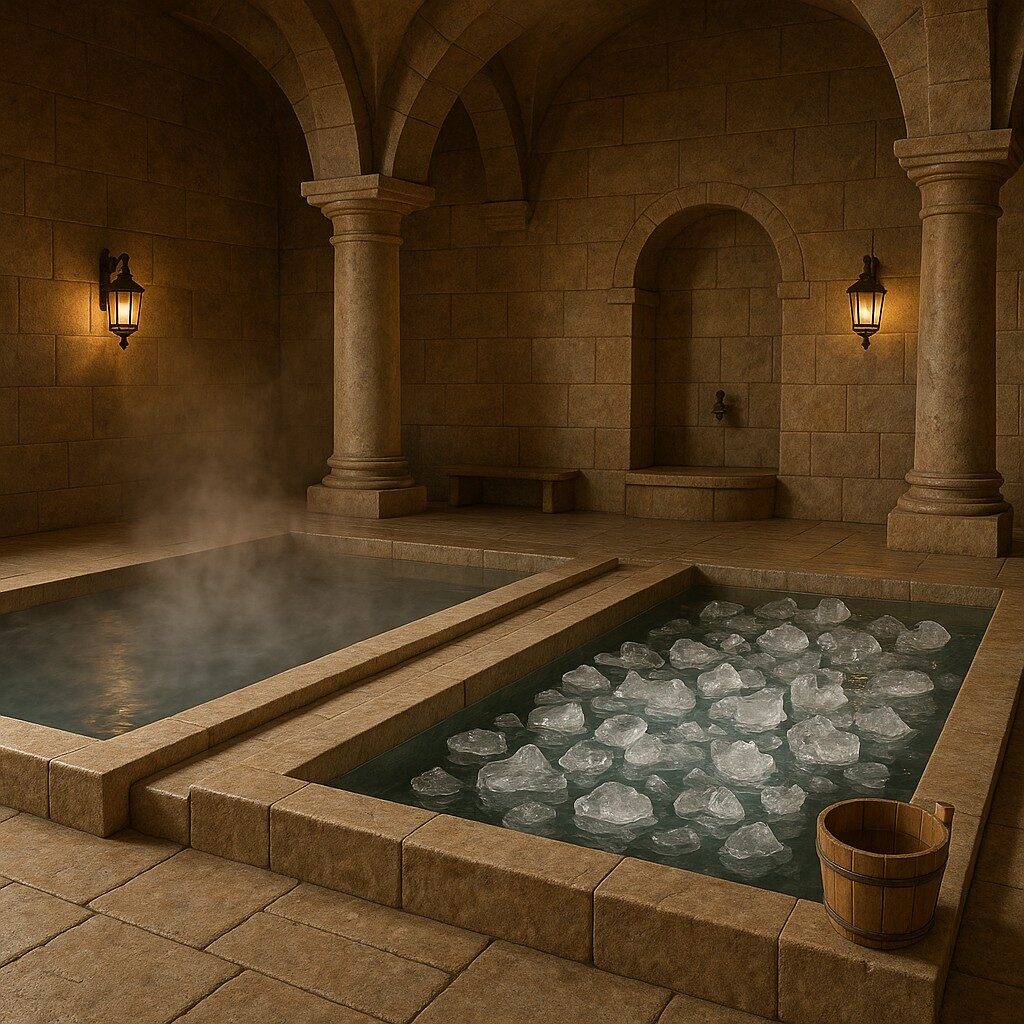
These cultures recognized the invigorating effects of temperature variation long before modern science could explain the mechanisms at work.
Today, contrast bath therapy serves multiple purposes across different settings. Athletic trainers employ it to accelerate post-competition recovery and reduce muscle soreness. Physical therapists integrate temperature alternation into rehabilitation protocols for injuries ranging from ankle sprains to post-surgical recovery. Wellness practitioners recommend it for circulation improvement and general inflammation management.
Dr. Melinda Ratini, board-certified physical medicine specialist, notes that “Contrast therapy works by affecting blood flow to targeted tissues. Heat promotes circulation while cold constricts vessels—the alternation creates a pumping effect that can help clear metabolic waste and deliver fresh nutrients to healing tissues.”
While both heat and cold offer independent benefits—heat for relaxing tight tissues and increasing blood flow, cold for numbing pain and reducing inflammation—their strategic combination creates distinct physiological advantages we’ll explore in depth.
How does hot-cold contrast therapy work? The science explained
The effectiveness of contrast therapy hinges on its manipulation of your vascular system. During hot immersion (typically 98-104°F/37-40°C), your blood vessels dilate—a process called vasodilation—increasing blood flow to the immersed area. This enhanced circulation delivers oxygen and nutrients while relaxing muscles and connective tissues.
When you switch to cold exposure (50-59°F/10-15°C), those same blood vessels rapidly constrict—vasoconstriction—reducing blood flow to the area. This constriction helps flush metabolic waste, reduces nerve conductivity (dampening pain signals), and decreases tissue temperature to limit inflammation.
The alternating pattern creates what experts call the “vascular pumping effect.”

Think of it like squeezing and releasing a sponge repeatedly—each compression (cold) pushes fluid out, while each expansion (heat) draws fresh fluid in. This mechanical action enhances the normal circulation process, potentially accelerating recovery.
Research in the Journal of Athletic Training suggests this pumping mechanism may help remove lactate and other metabolic byproducts more efficiently than passive recovery methods. A 2018 systematic review in Physical Therapy in Sport found moderate evidence that contrast therapy reduced perceived muscle soreness after exercise compared to passive recovery.
Beyond circulation effects, temperature alternation appears to influence cellular signaling pathways that regulate inflammation. The body’s adaptation to these thermal challenges may trigger hormetic responses—beneficial adaptations to mild stressors—similar to how exercise itself produces positive physiological adaptations.
These physiological mechanisms help explain why many athletes report feeling refreshed and recovered after contrast therapy sessions. The technique essentially helps accelerate natural recovery processes rather than circumventing them. This alignment with the body’s inherent healing mechanisms is partly why what temperature therapy can teach us about longevity extends beyond simple recovery into broader health optimization.
Comparison: Hot-cold contrast therapy vs. other recovery methods
Unlike single-temperature approaches, contrast therapy offers unique advantages through its alternating nature. Cold therapy alone (cryotherapy, ice baths) excels at immediate inflammation control and pain reduction but can temporarily slow certain healing processes if used exclusively. Heat therapy provides excellent relaxation and blood flow but may exacerbate acute inflammation when used too early after injury.
Compression garments offer gentle, consistent pressure that aids lymphatic drainage but lack the active vascular pumping effect of temperature alternation. Passive recovery (simple rest) allows natural healing but misses opportunities to optimize recovery dynamics.
Massage therapy provides many similar benefits to contrast therapy—improved circulation, waste removal, and muscle relaxation—but requires skilled practitioners and can’t be easily self-administered. Contrast thermal immersion offers a self-directed alternative that combines several recovery principles in one accessible method.
The choice between modalities often depends on specific circumstances, timing, and individual response. Many athletes and rehabilitation specialists incorporate multiple approaches, using contrast therapy as part of a comprehensive recovery strategy rather than an exclusive solution.
Science-backed benefits of contrast therapy
Research demonstrates several evidence-supported advantages of alternating temperature exposure. Each benefit stems from the physiological mechanisms previously described, with varying levels of research support:
- Reduced delayed onset muscle soreness (DOMS): Multiple studies, including a 2017 meta-analysis in PLoS One, indicate that contrast therapy can decrease perceived muscle soreness following intensive exercise compared to passive recovery. This reduction may help maintain training consistency by minimizing discomfort between sessions.
- Accelerated lactate clearance: Research suggests the vascular pumping effect enhances removal of lactate and other metabolic byproducts from muscles. A study in the Journal of Science and Medicine in Sport found contrast therapy more effective than passive recovery for lactate clearance in trained athletes.
- Decreased swelling and inflammation: The alternating vasodilation and vasoconstriction appears to enhance fluid movement through tissues, potentially reducing edema more effectively than constant temperature application.
- Preserved power output: Some evidence indicates contrast therapy helps maintain force production capacity between training sessions. Athletes using contrast recovery showed better maintenance of jumping performance and strength measures in subsequent workouts compared to passive recovery groups.
- Improved subjective recovery: Participants consistently report feeling more recovered after contrast therapy compared to no intervention, which may provide psychological benefits for ongoing training motivation.
- Support for injury rehabilitation: Physical therapists employ contrast therapy to stimulate circulation in healing tissues while managing inflammation, particularly for subacute injuries transitioning from initial inflammatory stages to repair phases.
- Potential nervous system benefits: The temperature contrast creates sensory stimulation that may influence parasympathetic nervous system activity, contributing to improved relaxation and stress reduction.
While these benefits are promising, it’s worth noting that individual responses vary considerably. Some athletes report dramatic improvements while others notice more subtle effects. This variability highlights the importance of personalized approaches to enhanced recovery after workouts rather than one-size-fits-all protocols.
How to do contrast therapy: Safe and effective steps
Implementing contrast therapy requires attention to temperature, timing, and safety considerations. Whether in a clinical setting or at home, following established protocols helps maximize benefits while minimizing risks.
Professional/clinical application
In physical therapy offices, athletic training rooms, and recovery centers, contrast therapy typically follows these guidelines:
- Equipment: Two immersion vessels (hot and cold), thermometers, and timers
- Temperature range: Hot bath 98-104°F (37-40°C), cold bath 50-59°F (10-15°C)
- Protocol: Begin with heat immersion (3-4 minutes), followed by cold immersion (1 minute)
- Cycles: Repeat alternation 3-5 times, typically ending with cold exposure
- Total duration: 15-30 minutes depending on the specific protocol
- Monitoring: Professional supervision of vital signs and subjective response
At-home contrast bath setup
For home implementation, follow these practical steps:

- Gather supplies: Two containers large enough for the body part being treated (or bathtubs/showers for full-body treatment), accurate thermometer, timer
- Prepare baths: Fill one container with hot water (comfortable but not scalding, aim for 100-104°F/38-40°C) and the other with cold water (add ice if needed to reach 50-59°F/10-15°C)
- Check temperature: Verify with thermometer before immersion
- Begin with heat: Immerse the affected area for 3-4 minutes
- Switch to cold: Transfer to cold immersion for 1 minute
- Continue alternating: Repeat cycle 3-5 times (typically 20-30 minutes total)
- End with cold: Conclude your session with cold exposure
- Post-therapy: Gently dry the area and allow body temperature to naturally normalize
For localized treatment (ankle, wrist, elbow), smaller containers work well. Consider using a foot spa or deep sink for hot immersion and a bucket with ice water for cold. Maintaining proper water temperatures throughout the session may require occasional adjustments.
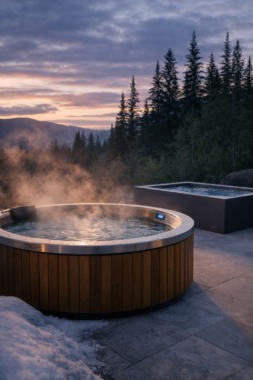
Full-body contrast therapy presents more logistical challenges at home. Some practitioners alternate between hot showers and cold baths, though temperature control is less precise. Those committed to regular practice might consider the advantages of using a hot tub paired with a cold plunge setup for more consistent application.
Who should avoid contrast therapy? Contraindications & risks
Despite its benefits, contrast therapy isn’t appropriate for everyone. Exercise caution or avoid this modality entirely if you have:
- Cardiovascular conditions: Heart disease, uncontrolled hypertension, or history of stroke
- Peripheral vascular disorders: Raynaud’s disease, deep vein thrombosis, or significant varicose veins
- Sensory impairments: Diabetic neuropathy or other conditions affecting temperature perception
- Skin integrity issues: Open wounds, recent surgeries, or active dermatitis
- Acute inflammation: Very recent injuries (first 24-48 hours) may respond better to consistent cold
- Pregnancy: Especially immersion of the abdomen/low back
- Certain medical conditions: Multiple sclerosis, Reynaud’s phenomenon, cold urticaria
Dr. James Malone, sports medicine physician, emphasizes that “any significant medical condition warrants professional guidance before beginning contrast therapy. The circulatory changes, while beneficial for many, can potentially exacerbate certain conditions.”
Common side effects include temporary skin redness, mild dizziness upon standing (due to blood pressure changes), and occasional skin sensitivity. More serious reactions typically only occur in individuals with pre-existing contraindications.
When in doubt, consult a healthcare provider before initiating contrast therapy, particularly if you have any chronic health conditions or take medications affecting circulation.
Tips for maximizing benefits & long-term recovery
To optimize contrast therapy’s effectiveness as part of a comprehensive recovery strategy, consider these evidence-informed recommendations:
- Consistent application: Regular sessions following intense activity produce better results than occasional use
- Timing matters: Apply contrast therapy after workouts rather than before (pre-activity cold exposure may temporarily reduce performance)
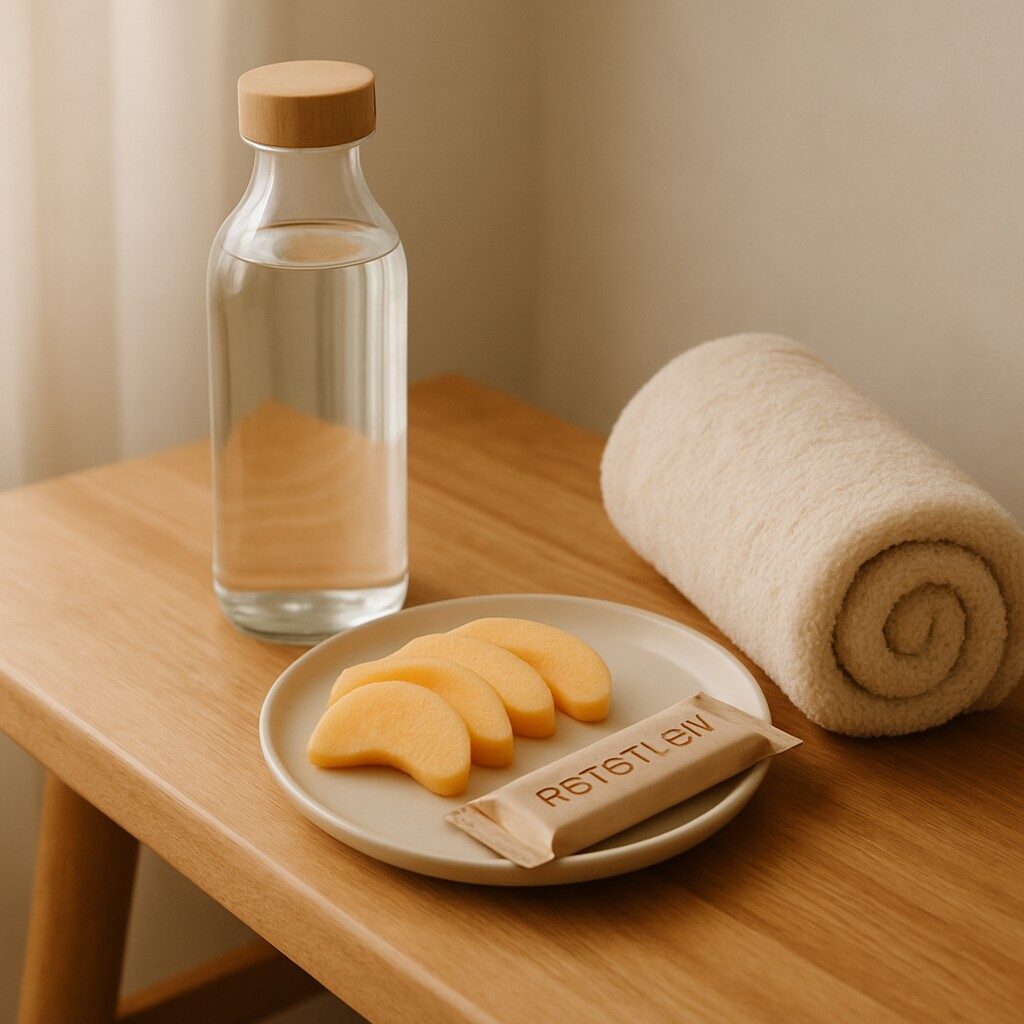
- Hydration support: Maintain proper fluid intake before and after thermal therapy
- Complementary nutrition: Protein and anti-inflammatory nutrients support the recovery processes that contrast therapy enhances
- Track your results: Document subjective feelings, recovery metrics, and subsequent performance to identify your optimal protocol
- Progressive adaptation: Begin with moderate temperature contrasts and gradually increase the differential as tolerance improves
- Combine with movement: Gentle active recovery or mobility work following contrast therapy may further enhance circulation benefits
- Respect individual response: Adjust protocols based on your personal experience rather than rigidly adhering to standard formulas
Many athletes and recovery specialists recommend integrating contrast therapy within a broader recovery framework that includes adequate sleep, proper nutrition, stress management, and programmed rest days. The therapy serves as a powerful tool within this system rather than a standalone solution.
Some enthusiasts have documented their experience with regular thermal contrast, finding that consistent practice yields cumulative benefits beyond acute recovery. I took a cold plunge every day for a month and discovered improvements in stress resilience and overall energy that extended beyond physical recovery.
Whether you’re an elite athlete seeking performance edges or someone managing chronic tension and discomfort, contrast therapy offers an accessible, evidence-informed approach worth considering. By understanding its mechanisms, implementing proper protocols, and monitoring your response, you can determine whether this time-tested recovery method deserves a place in your wellness routine.
Frequently asked questions
Is hot-cold contrast therapy safe for everyone?
Most healthy adults can try it with minimal risk, but people with heart problems, circulation issues, neuropathy, open wounds, pregnancy, or certain skin conditions should consult a doctor first.
How hot and cold should the water be for contrast therapy?
For effective contrast baths, aim for hot water at 98–104°F (37–40°C) and cold water at 50–59°F (10–15°C). Always use a thermometer and adjust for personal tolerance.
How long should you spend in each bath?
A typical cycle is 3–4 minutes in hot water, then 1 minute in cold, repeated for 20–30 minutes and always ending on cold.
What are the main benefits of contrast therapy?
Supported benefits include reduced muscle soreness and fatigue, faster recovery, improved circulation, lowered swelling, and possible cognitive mood-boosting effects.
Can you do contrast therapy at home?
Yes, with two tubs and careful attention to water temperatures and timing, you can safely do contrast therapy at home.