 English
 French
 German
 Lithuanian
 Polish
 Spanish
Finding the perfect spot for your hot tub isn’t just about aesthetics—it’s a crucial decision that impacts safety, maintenance, and your overall enjoyment for years to come. Proper hot tub placement requires careful planning and consideration of multiple factors, from structural support to privacy concerns.
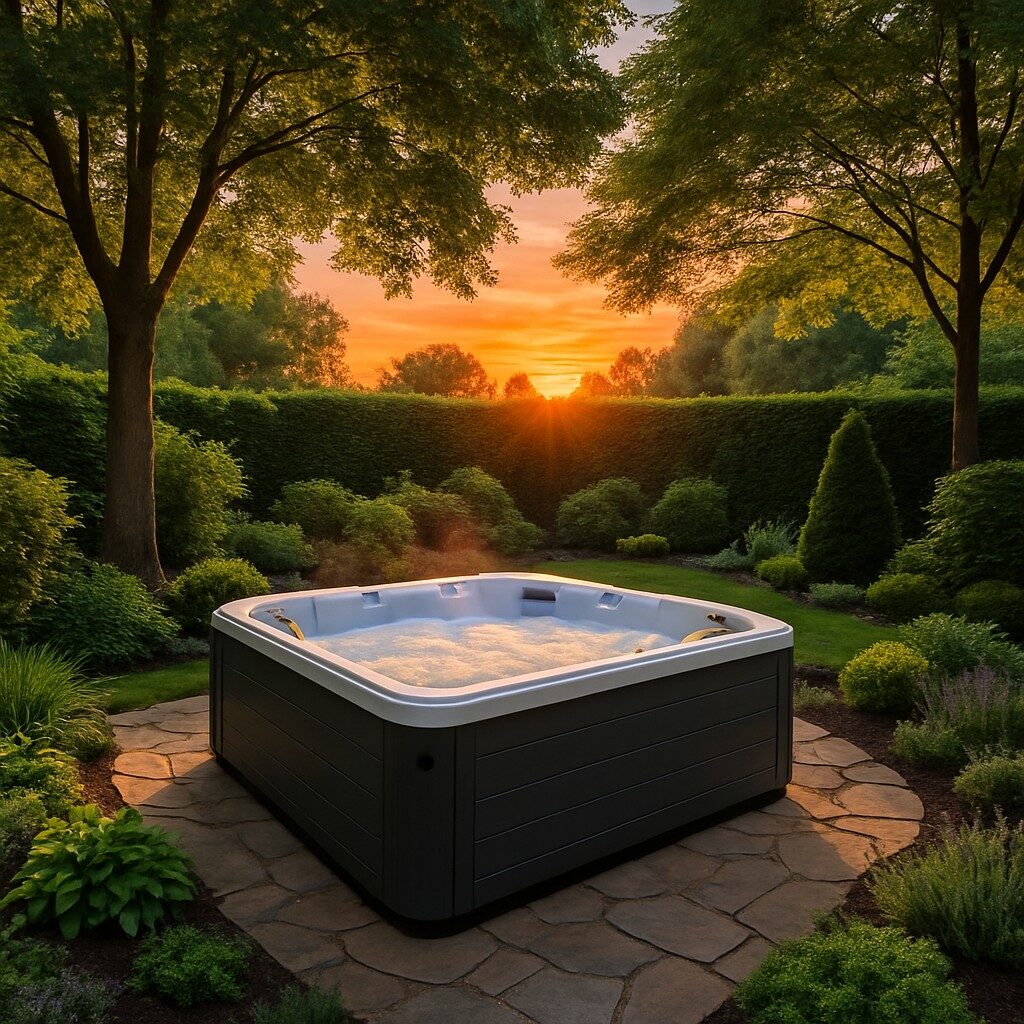
Whether you’re a first-time buyer or relocating an existing spa, understanding the fundamentals of hot tub placement will help you create a relaxing retreat that enhances your property while avoiding costly mistakes.
Hot tub placement refers to the strategic positioning of your spa to maximize enjoyment while ensuring practical concerns like access, safety, and longevity are addressed. The location you select will determine how frequently you use your hot tub, how easy it is to maintain, and ultimately, how much value it adds to your home. Discovering the advantages of using a hot tub becomes even more rewarding when your garden spa feature is thoughtfully installed in the ideal location.
In this comprehensive guide, we’ll walk through everything you need to consider before installing your hot tub—from assessing your space and choosing the right foundation to addressing electrical requirements and creating the perfect ambiance. By the end, you’ll have a clear roadmap for installing your hot tub in a location that provides optimal relaxation, safety, and convenience.
Assessing your space: key site considerations
Before you can begin installing your hot tub, you need to thoroughly evaluate your available space to ensure it meets all the necessary requirements. This preliminary assessment prevents costly mistakes and ensures your hot tub will be both safe and accessible.
- Available square footage (accounting for the hot tub dimensions plus surrounding access space)
- Proximity to utilities (water and electrical sources)
- Delivery path clearance (width, height, and turning radius)
- Ground stability and levelness
- Distance from your house (convenience vs. privacy)
- Sun/shade exposure and wind protection
One of the most critical factors when deciding where to put a hot tub is ensuring the ground can support its substantial weight. When filled with water and occupants, a hot tub can weigh between 2,000 to 6,000 pounds depending on its size. This requires a solid, completely level foundation that won’t shift or settle over time.
Concrete pads offer exceptional durability and stability, making them ideal for permanent installations. Pavers provide a more aesthetic option while still offering good support when properly installed on a compacted base. Decking can work but requires specific structural reinforcement—your deck must be designed to handle at least 100 pounds per square foot. Gravel or crushed stone bases can be suitable for certain models but require professional preparation to prevent shifting.
Garden zoning also plays a key role in your hot tub placement. Consider sun and shade patterns throughout the day and seasons. While some shade provides relief during summer months, too much can make winter soaks less enjoyable. Wind exposure significantly affects both your comfort and your hot tub’s energy efficiency—positioning near windbreaks like walls or hedges can reduce heating costs.
Hot tub access needs careful planning, both for initial delivery and regular use. Measure all pathways, doorways, gates, and stairs that your spa will need to pass through during delivery. According to the British and Irish Spa and Hot Tub Association (BISHTA), you should maintain clear, well-lit, non-slip pathways to your hot tub that are at least 36 inches wide. The hot tub distance from house should balance convenience (ideally within 15-25 feet) with maintaining some separation for privacy and noise control.
Regarding permits and permissions, requirements vary significantly by location. In the UK, hot tubs are generally considered portable appliances and don’t require planning permission unless you’re building a permanent structure to house them or installing one on a listed building. In the US, requirements differ by municipality—many areas require permits for electrical work and possibly for the installation itself. Book a professional home survey to identify any potential issues with your intended location before making your purchase.
Indoor vs. outdoor hot tub placement
The decision between indoor and outdoor placement comes with distinct considerations for each option. Outdoor installations offer natural surroundings and stargazing opportunities but require weatherproofing and privacy solutions. Indoor placements provide year-round convenience regardless of weather but introduce humidity concerns.
Indoor hot tubs require specialized ventilation for hot tub environments to prevent moisture damage to your home. Without proper ventilation, condensation can lead to mold, mildew, and structural deterioration. Dehumidification systems, exhaust fans, or specially designed ventilation are essential, alongside moisture-resistant materials for surrounding walls and flooring. Floor drains are also necessary for maintenance and potential overflows.
Outdoor hot tub installation offers more flexibility but comes with its own requirements. Weather protection becomes important—consider covers, shelters, or gazebos to shield your spa from direct sun, precipitation, and debris. Privacy screening through strategic landscaping, fencing, or pergolas ensures a relaxing experience, especially in populated neighborhoods.
Whichever option you choose, accessibility for maintenance should remain a priority. Technicians need sufficient space around the unit to access components, and you’ll need a practical way to drain and refill your spa when necessary.
Choosing the best hot tub base and foundation
The foundation supporting your hot tub directly impacts its stability, longevity, and safety. Inadequate support can lead to structural damage, voided warranties, and potentially dangerous situations.
When selecting your hot tub base, consider these critical factors:
- Load capacity (must support the combined weight of water, equipment, and occupants)
- Perfect levelness (to prevent structural strain and water balance issues)
- Drainage capability (to direct water away from the foundation)
- Durability against weather conditions
- Access to plumbing and electrical components for maintenance
Concrete provides exceptional stability and durability as a hot tub foundation. For proper installation, a reinforced concrete pad should be at least 4 inches thick (preferably 6 inches for larger spas), extend at least 6 inches beyond the hot tub’s dimensions on all sides, and be perfectly level.
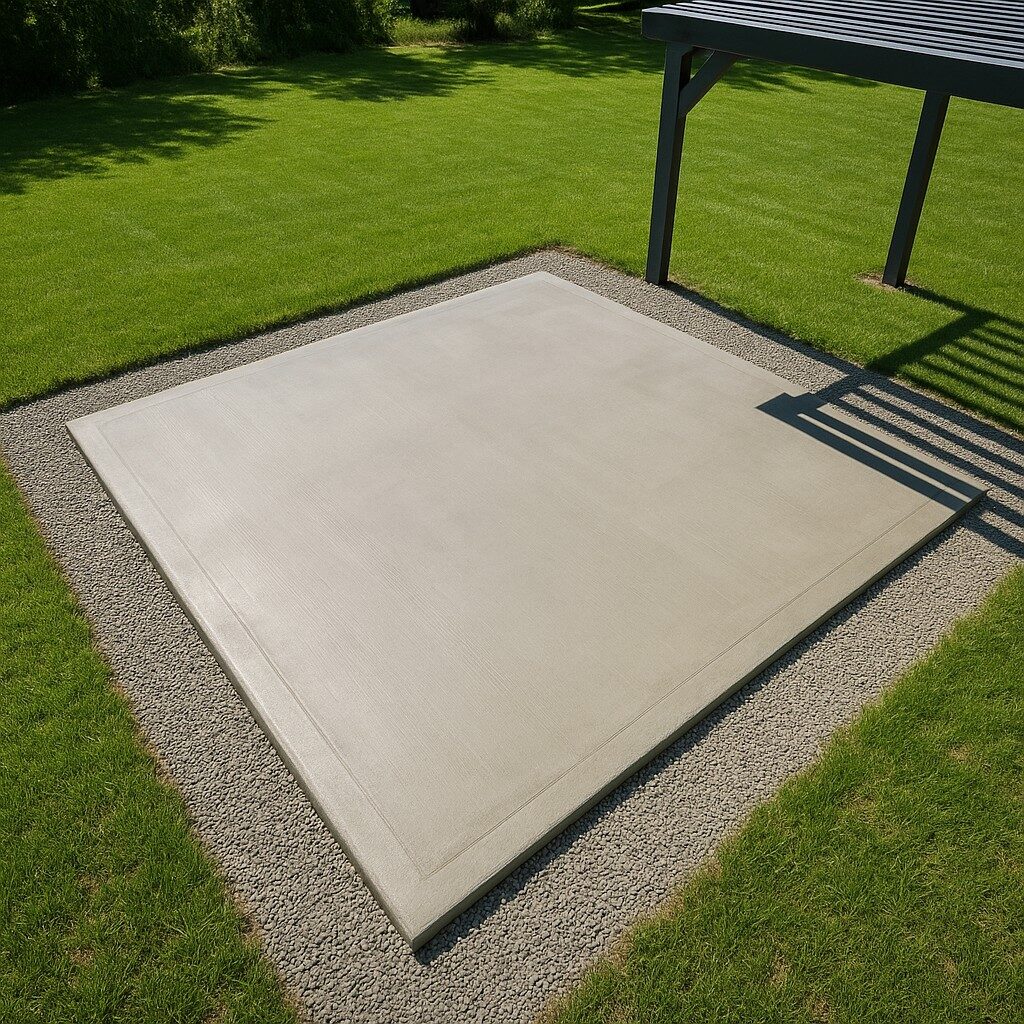
While concrete requires the most initial work, it offers unmatched long-term stability and typically meets all warranty requirements.
Decking can support a hot tub if specifically engineered for the weight. Standard residential decks are typically designed to support 40-50 pounds per square foot, while a filled hot tub can exert 100+ pounds per square foot. If using decking, consult a structural engineer to verify or reinforce your deck’s load capacity. Additional support posts, beams, and proper footings will likely be necessary, especially for elevated decks.
Paving stones present an aesthetic middle ground between concrete and decking. These must be installed on a properly prepared base of compacted gravel and sand to prevent settling. Ensure the pavers are level, tightly fitted, and extend beyond the hot tub perimeter. This option combines good load-bearing capacity with drainage benefits and aesthetic appeal.
Prefabricated spa pads have gained popularity as purpose-built hot tub foundations. Made from high-density plastics or composite materials, these modular systems distribute weight effectively while providing built-in drainage. They’re relatively easy to install on level ground and offer a viable alternative to concrete, though they may be more expensive initially.
Gravel or crushed stone can work for certain hot tub models but requires proper preparation. A contained area with 4-6 inches of compacted crushed stone creates a relatively stable, well-draining foundation. This option works best with hot tubs that have full-plinth bases rather than those supported at specific points. However, some manufacturers may not honor warranties with this type of foundation.
| Foundation Type | Pros | Cons | Best For |
|---|---|---|---|
| Concrete | Maximum stability, warranty-approved, permanent | Labor-intensive, requires curing time, difficult to remove | Permanent installations, larger hot tubs |
| Decking | Elevated position, integrated with outdoor living spaces | Requires significant reinforcement, potential moisture issues | Homes with limited ground space, elevated installations |
| Paving Stones | Aesthetic appeal, good drainage, moderately DIY-friendly | Can settle over time, requires careful preparation | Visible installations where appearance matters |
| Prefab Spa Pads | Easy installation, built-in drainage, relocatable | Higher cost, limited customization | DIY installations, potential future relocation |
| Gravel/Crushed Stone | Good drainage, relatively inexpensive, DIY-friendly | Potential settling, not approved by all manufacturers | Temporary installations, hot tubs with full-plinth bases |
Proper drainage around your hot tub foundation is essential to prevent water accumulation, erosion of supporting material, and damage to nearby structures. The foundation should have a slight slope (approximately 1/4 inch per foot) away from buildings to direct water runoff. For concrete and paver installations, consider incorporating drainage channels or surrounding the pad with crushed stone for improved water management.
Most manufacturers specify foundation requirements in their warranty documentation. Installing your hot tub on an unapproved base may void your warranty, leaving you responsible for any resulting damage. Always review these requirements before finalizing your foundation choice.
Practicalities and utilities: power, water, and safety
The utility requirements for hot tubs extend beyond just finding a flat spot in your yard. Proper electrical and water connections are essential for safe operation and convenient maintenance.
Hot tub electrical requirements vary significantly based on the model and region. In the UK, hot tubs typically operate on either a 13-amp “plug and play” system that connects to a standard household outlet or a 32-amp hardwired connection requiring professional installation. US models commonly require 50-60 amp dedicated circuits operating at 220-240 volts. Regardless of location, all outdoor hot tub electrical installations must include ground fault circuit interrupter (GFCI) protection to prevent electrical shock hazards.
The electrical connection must be installed by a certified electrician who understands local codes and manufacturer specifications. The National Electrical Code in the US and the IET Wiring Regulations in the UK provide specific requirements for spa installations, including proper grounding, weatherproof connections, and disconnect locations. The disconnect switch must be visible from the hot tub and located at least 5 feet away (but within 50 feet) to allow emergency power cutoff.
Water access for filling and draining your hot tub requires planning as well. While garden hoses work for filling, consider the distance from your water source—longer distances mean longer fill times and potential temperature issues during colder months. For drainage, ensure the hot tub site allows for gravity-assisted draining away from structures, or plan for a submersible pump if your drainage point is uphill from the spa.
Safety considerations must inform your hot tub placement decisions. Maintain clear access pathways with non-slip surfaces, particularly important during winter months when water can create icy hazards. Avoid placing hot tubs under power lines or large overhanging branches that could present hazards during storms.
Child safety deserves special attention when planning hot tub placement. Position your spa where it can be observed from the house if children have access to the area. A safety cover with locks is essential, and some jurisdictions require additional barrier protection such as fencing with self-closing, self-latching gates for hot tubs that aren’t constantly supervised.
Local building codes may have specific requirements regarding setbacks (minimum distances) from property lines, structures, and other features. These regulations ensure safety and prevent nuisances to neighbors. Typical setbacks range from 5-10 feet from property lines and 10 feet from overhead power lines, but requirements vary significantly by location. How to make your garden feel like a 5-star spa involves balancing these practical requirements with aesthetic considerations for a truly luxurious experience.
Privacy, views, and enjoyment: designing the perfect hot tub area
Beyond the technical aspects of hot tub installation lies the equally important dimension of creating a space that enhances relaxation and pleasure. Thoughtful design transforms a functional installation into a private sanctuary that adds value to your property.
Privacy ranks among the top concerns for hot tub owners. Feeling overlooked by neighbors can significantly detract from your relaxation experience. Strategic garden spa ideas for privacy include:
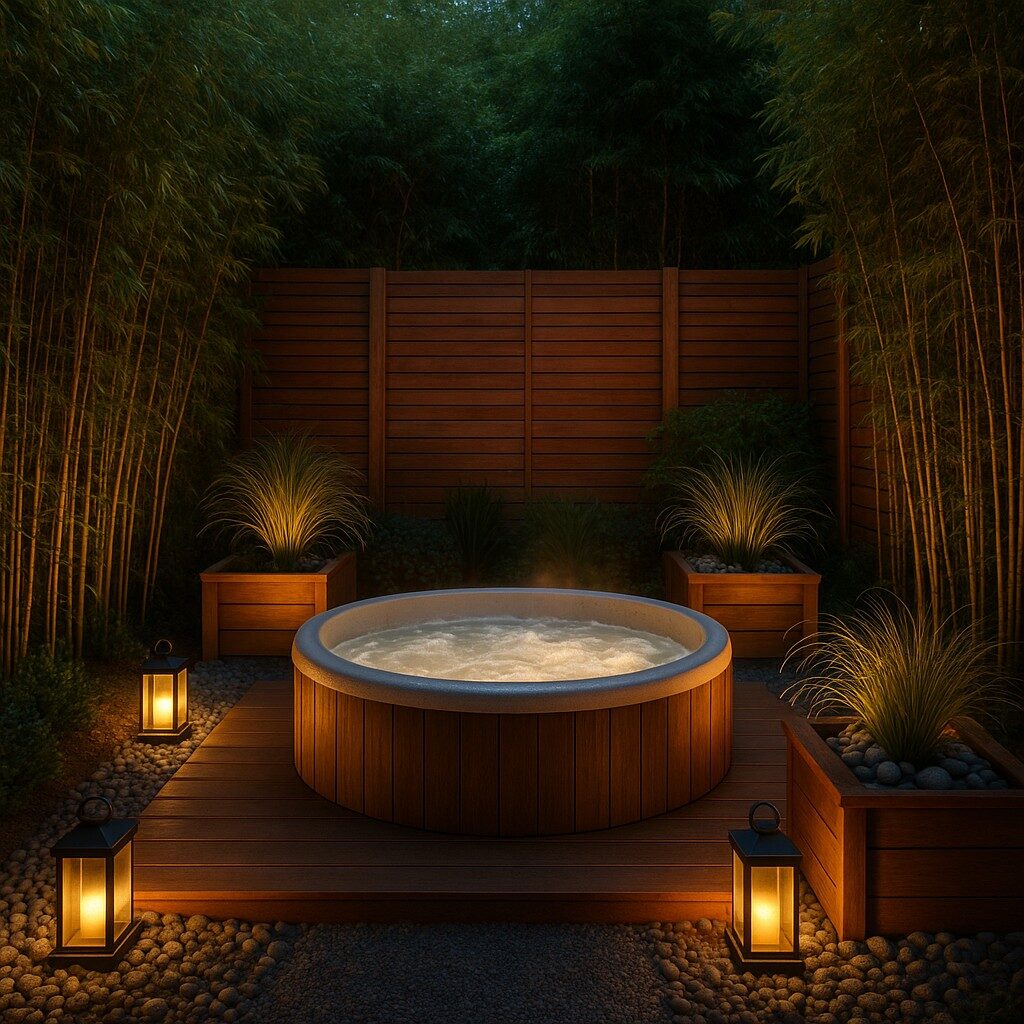
- Living screens: Fast-growing hedges (like bamboo or arborvitae) provide natural privacy while enhancing aesthetics
- Decorative privacy panels: Modern slatted wooden screens or metal panels with decorative cutouts offer immediate privacy with style
- Pergolas with retractable sides: Provide overhead shelter while allowing for adjustable privacy screens
- Strategic placement of large planters with tall ornamental grasses or shrubs
- Fabric curtains or weather-resistant outdoor drapes that can be drawn when desired
Views from your hot tub significantly impact your enjoyment. Position your spa to capitalize on natural vistas like gardens, water features, or distant landscapes. If natural views aren’t available, create focal points with landscaping, sculpture, fire features, or architectural elements. Conversely, consider what’s visible from surrounding properties or public spaces to ensure your privacy while soaking.
Landscaping around your hot tub serves multiple purposes: enhancing aesthetics, providing privacy, creating wind breaks, and defining the space. Consider plants that thrive in humid environments and won’t drop excessive debris into your spa. Native plants typically require less maintenance and better withstand local weather conditions. Incorporate varying heights, textures, and seasonal interest for year-round appeal.
Outdoor lighting transforms your hot tub area from merely functional to magical. Implement layered lighting with:
- Path lighting for safe access
- Ambient lighting (string lights, lanterns) for general illumination
- Accent lighting to highlight landscape features
- Task lighting near steps or changing areas
Choose fixtures rated for outdoor and wet locations, and consider energy-efficient LED options with warm color temperatures that enhance relaxation. Automated timers or smart lighting systems allow customized control without leaving the comfort of your spa.
Thoughtful accessories elevate the hot tub experience. Include convenient towel storage, weather-resistant side tables for drinks and devices, and covered hot tub cover storage to protect your investment when not in use. Adding amenities like outdoor speakers, refrigeration, or a changing area nearby increases convenience and enjoyment.
Noise considerations should influence both placement and design. Be mindful that pump and filtration systems generate sound, which can disturb both household members and neighbors if placed too close to sleeping areas or property lines. Sound-dampening landscaping and strategic positioning can mitigate potential noise issues.
Weather protection extends usability throughout the year. Consider overhead structures like pergolas, gazebos, or retractable awnings to shield from precipitation and direct sun. Windbreaks—whether natural (hedges, trees) or built (panels, walls)—increase comfort and energy efficiency by reducing heat loss and evaporation.
The path from your house to the hot tub deserves careful attention, especially for year-round use. Install well-lit, slip-resistant walkways that remain accessible in all weather conditions.
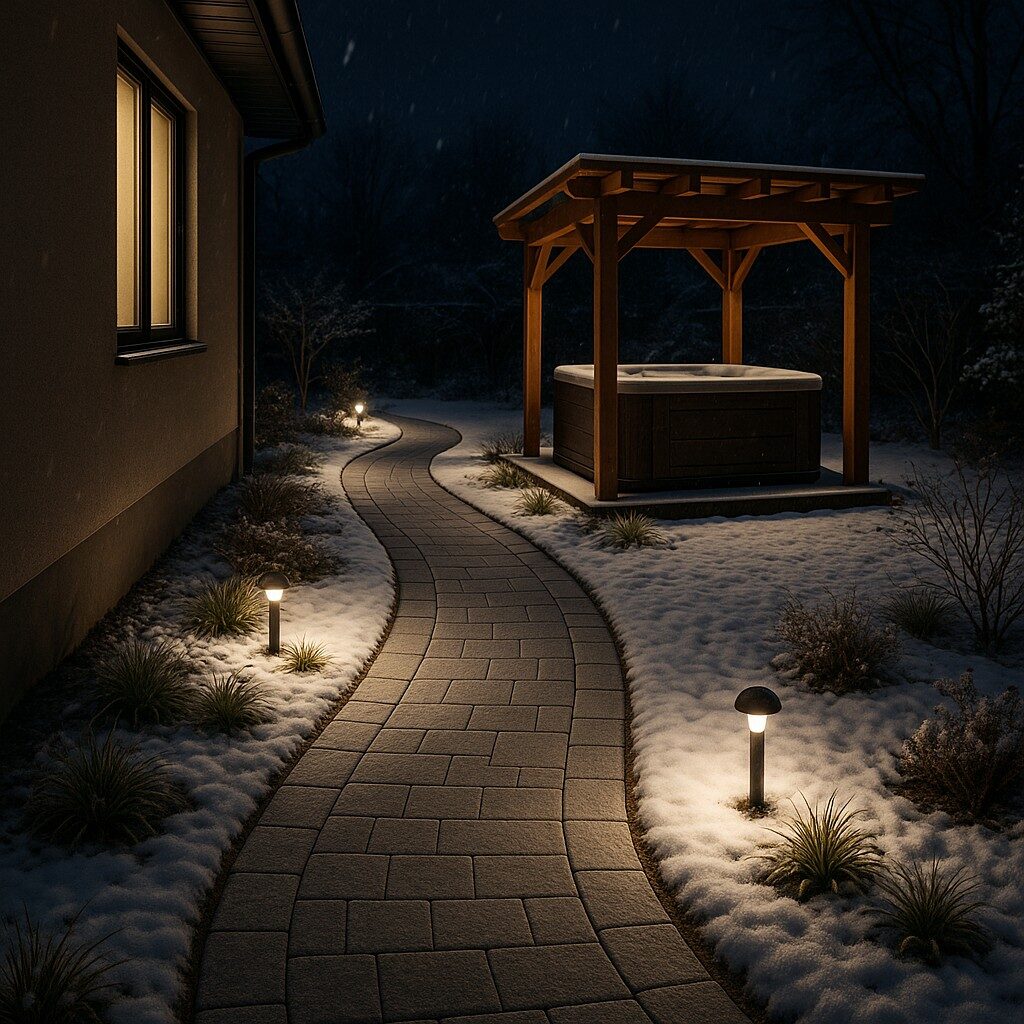
Ideally, this path should be direct but not immediately adjacent to main living areas to balance convenience with privacy. Visit our showroom to explore spa options that will perfectly complement your outdoor design vision.
Common pitfalls and mistakes to avoid
Even with careful planning, hot tub installation projects can encounter preventable problems. Professional installers consistently see the same issues arise across different installations. Being aware of these common mistakes will help you avoid costly corrections and enjoy your hot tub without unnecessary complications.
Underestimating delivery requirements leads many hot tub installations astray before they even begin. Hot tubs are large, heavy, and rigid—they can’t be folded, disassembled, or squeezed through tight spaces. Before purchase, verify all access points (gates, pathways, doorways) have sufficient clearance for your specific model. Professional delivery teams may use specialized equipment like cranes or spa dollies for difficult installations, but this adds cost and complexity. Always conduct a thorough site survey with measurements before finalizing your purchase.
Inadequate foundation preparation consistently ranks as the most expensive mistake. Cutting corners on the base—whether using insufficient materials or failing to ensure perfect levelness—inevitably leads to structural problems. A hot tub that isn’t perfectly level experiences uneven stress on its frame, potentially causing warping, component failure, and improper water chemistry. Investing in proper foundation work prevents these costly issues.
Ignoring local regulations and permit requirements can result in fines, required modifications, or even removal orders. Many areas require permits for electrical work at minimum, and some have specific requirements for setbacks, barrier protection, or noise limitations. Research your local building department’s requirements before installation rather than risking penalties after the fact.
Insufficient maintenance access is a frustration that emerges only after installation. Hot tubs require regular maintenance and occasional service to components housed in the equipment compartment. Positioning your spa too close to walls, fences, or landscaping creates needless difficulties for routine tasks. Always leave at least 3 feet of clearance on the equipment side and 18-24 inches on other sides to accommodate maintenance needs.
Placing the hot tub too far from the house seems logical for privacy but often results in decreased usage, especially during inclement weather. When the journey to your spa becomes an expedition, spontaneous enjoyment decreases significantly. Balance privacy considerations with convenience for maximum use and enjoyment.
Overlooking electrical capacity issues can delay your installation or require expensive electrical system upgrades. Before finalizing your hot tub purchase, have an electrician verify that your home’s electrical service can accommodate the additional load. Many older homes need panel upgrades to support high-amperage spa equipment safely.
Failing to plan for hot tub cover handling leads to damaged covers and decreased insulation efficiency. Covers are heavy and awkward to maneuver—without a proper cover lifter or storage solution, owners tend to drag covers across rough surfaces or improperly fold them, reducing their lifespan and insulation properties. Include cover handling in your initial design to protect this important investment.
Common Mistake | Better Approach |
|---|---|
Installing on unprepared ground | Invest in proper foundation preparation with appropriate materials |
Ignoring access for delivery | Measure all pathways and access points before purchase |
Placing too far from the house | Find balance between convenience and privacy (15-25 feet ideal) |
Skipping permit requirements | Research local regulations and obtain necessary approvals |
Insufficient maintenance access | Leave 3+ feet clearance on equipment side, 18-24 inches elsewhere |
DIY electrical installation | Hire certified electrician familiar with spa installations |
Forgetting about cover handling | Include cover lifter and storage in initial design |
According to professional installer surveys, nearly 70% of service calls for preventable issues stem from improper initial placement and installation. Taking time to plan thoroughly saves significant hassle and expense over your hot tub’s lifespan.
Conclusion
Thoughtful hot tub placement sets the foundation for years of enjoyment, safety, and trouble-free operation. By carefully considering structural requirements, utility connections, privacy needs, and aesthetic preferences, you’ll create a spa experience that enhances both your lifestyle and property value. The extra time invested in planning prevents costly mistakes and ensures your hot tub becomes an integrated, frequently used feature of your home rather than an underutilized afterthought.
The perfect hot tub location balances multiple factors—structural integrity, convenience, privacy, views, and protection from the elements. While specific needs vary by household, the principles of proper foundation preparation, adequate utility planning, and attention to the user experience remain universal.
Before finalizing your hot tub installation plans:
- Thoroughly assess your available space and access points
- Consult with qualified professionals about foundation and electrical requirements
- Research local regulations and permit requirements
- Consider how your hot tub integrates with your overall outdoor living design
- Plan for year-round use with appropriate shelter and access pathways
With careful planning and attention to detail, your hot tub will become a cherished retreat that provides relaxation and enjoyment for years to come. The perfect placement enhances not just the spa experience itself but your entire property, creating a seamless indoor-outdoor living environment that you’ll enjoy in every season.
Frequently asked questions
How far should a hot tub be from the house?
A hot tub should ideally be positioned 15-25 feet from your house—close enough for convenient access in all weather conditions but far enough to maintain privacy and minimize noise disturbance. Local building codes may specify minimum distances (typically 5-10 feet) from structures for electrical safety. Always ensure there’s sufficient space for maintenance access, with at least 3 feet clearance on the equipment side.
Do I need a concrete base for my hot tub?
While concrete provides the most stable and durable foundation for a hot tub, it’s not the only option. Alternatives include properly reinforced decking, level paver stones on a compacted base, specialized spa pads, or compacted crushed stone. The best choice depends on your specific hot tub model, site conditions, and whether the installation is permanent or potentially temporary. Many manufacturers specify acceptable base types in their warranty documentation.
Can I put a hot tub on decking?
Yes, hot tubs can be placed on decking, but only if the deck is specifically designed or reinforced to support the weight—typically 100+ pounds per square foot when filled with water and occupants. Standard residential decks (designed for 40-50 psf) require significant structural reinforcement, including additional support posts, beams, and footings. Always consult a structural engineer to evaluate and modify your deck before installation.
What electrical supply do I need for a hot tub?
Electrical requirements vary by model and region. In the UK, hot tubs typically use either a 13-amp “plug and play” connection to standard outlets or require a dedicated 32-amp hardwired circuit. US models generally need a dedicated 50-60 amp, 220-240 volt circuit with GFCI protection. All installations must comply with national and local electrical codes and should be performed by a certified electrician familiar with spa installations.
Do I need planning permission for a hot tub?
In most cases, hot tubs themselves don’t require planning permission in the UK as they’re considered portable appliances. However, permanent structures built to house them (like gazebos or decking) might require approval, especially in conservation areas or for listed buildings. In the US, requirements vary by municipality—many areas require electrical permits, and some have specific regulations regarding setbacks or barrier requirements. Always check with your local planning department before installation.