 English
 French
 German
 Lithuanian
 Polish
 Spanish
The world of wellness is constantly evolving, and one innovation that’s gaining significant traction is the hybrid sauna—a revolutionary combination of traditional heat and modern infrared technology. As wellness enthusiasts seek more comprehensive healing experiences and homeowners look for versatile additions to their spaces, these dual-technology systems are emerging as the perfect solution.
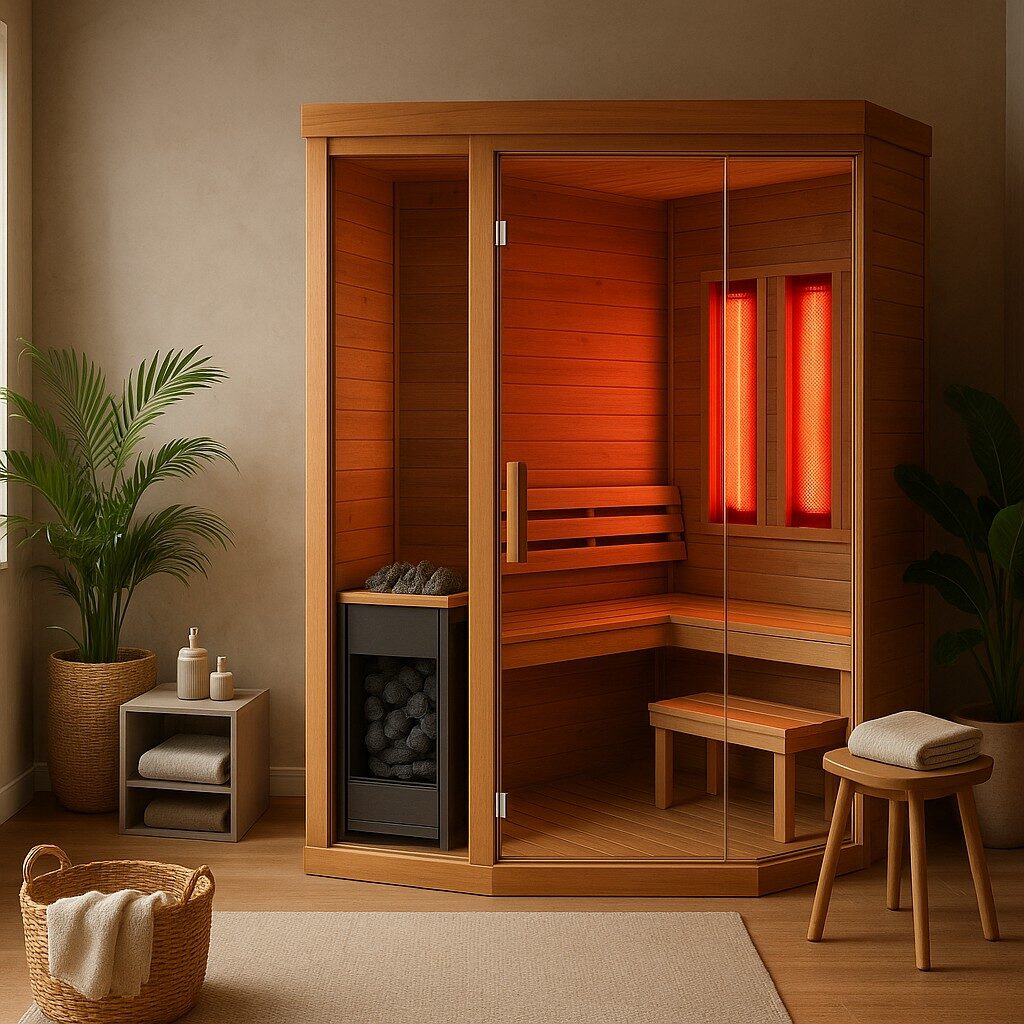
The appeal is clear: hybrid saunas offer an unparalleled combination of health benefits, customizable comfort options, and practical advantages that make them worth considering for anyone interested in home wellness investments.
In this comprehensive guide, you’ll discover exactly what makes hybrid saunas special, how they compare to single-technology options, and why they might be the perfect wellness addition to your home. We’ll explore the scientific benefits, practical considerations, and everything you need to know before making this significant wellness investment.
How hybrid saunas combine the best of both worlds
A hybrid sauna represents the perfect marriage between time-honored tradition and cutting-edge technology. These innovative wellness chambers integrate two distinct heating systems—conventional heating elements that warm the air (like those found in Finnish saunas) alongside infrared emitters that directly warm the body without significantly heating the surrounding air.
From a technical standpoint, the conventional heater typically uses rocks and produces temperatures ranging from 170-200°F, creating the intense heat experience many associate with classic sauna bathing. The infrared component, meanwhile, operates at lower temperatures (120-140°F) but penetrates deeper into tissue, providing therapeutic warmth without the intense air heat. The beauty of these dual systems is that they can operate independently or simultaneously, creating a completely customizable experience.
This versatility makes combination saunas particularly valuable for households with multiple users.

Family members with different preferences no longer need to compromise—those who enjoy intense heat can use the traditional mode, while those who prefer gentler warming can select the infrared option. Athletes might leverage both technologies together for comprehensive muscle recovery, while others might alternate between modes depending on their wellness goals for that particular day.
According to physiological research, the body responds differently to convection heating (traditional) versus radiant heating (infrared). The former produces more profuse sweating and stimulates circulation through heat adaptation, while the latter penetrates deeper into tissues, potentially offering better relief for certain types of muscle and joint discomfort. With a dual heating system, users gain access to both physiological responses within a single wellness cabinet.
Health and wellness benefits of hybrid saunas
The combined approach of thermal systems provides an extensive range of wellness advantages that neither technology could deliver alone. This synergistic effect creates a comprehensive health experience that adapts to your changing needs.
When using the conventional heating element, the intense heat environment promotes vigorous sweating, which many wellness practitioners believe supports the body’s natural detoxification processes. The high-temperature environment has been associated with improved circulation as blood vessels dilate in response to heat. Meanwhile, the temperature fluctuations experienced when alternating between hot sauna sessions and cooling periods may help strengthen cardiovascular resilience over time.
The infrared component offers its own set of benefits. The gentle radiant heat penetrates deeper into muscles and joints without the intense air temperatures. This deep-tissue warming may help relieve tension and discomfort while supporting recovery after physical activity. Many users report that infrared sessions feel more comfortable for extended periods, allowing longer therapeutic exposure without the intensity of traditional heat.
When both systems work together, the wellness possibilities expand dramatically.

For example, athletes might begin with infrared to warm muscle tissue deeply before switching to traditional heat for intensive sweating and circulation benefits. Those with respiratory interests might use the steam option (if included) for moisture-rich therapeutic breathing while simultaneously benefiting from infrared’s gentle radiant heat.
The customizable nature of combined thermal systems also allows for personalized wellness routines based on specific health goals. Users can create targeted sessions for stress reduction, muscle relaxation, skin health promotion, or immune system support by adjusting temperatures, duration, and heating methods. This adaptability makes integrated units particularly valuable for addressing different wellness needs as they arise.
Research published in wellness journals suggests that regular heat therapy, regardless of type, may contribute to improved sleep quality, reduced stress hormones, and enhanced overall well-being. With combination units, users can experiment to find which modes or combinations deliver the most significant improvements for their unique health profiles.
Practical advantages: customization, efficiency & home use
Beyond the impressive health benefits, combined thermal chambers offer numerous practical advantages that make them particularly attractive for home use. These considerations often become the deciding factors for homeowners weighing their wellness investment options.
The flexibility of operation stands out as perhaps the most significant everyday advantage. Users can select from traditional heat, infrared warming, or both simultaneously, adjusting temperatures, duration, and intensity to match their preferences or needs on any given day. This adaptability extends to multi-user households, where different family members can program their preferred settings without compromise—making these units particularly valuable for homes where thermal preferences vary.
From an energy perspective, dual-technology systems offer impressive efficiency benefits. The infrared function typically consumes less electricity than traditional heating elements, providing a lower-cost option for daily use. Homeowners can reserve the more energy-intensive conventional heating for special sessions while relying on the economical infrared mode for regular use. This flexibility helps manage operating costs while still providing access to comprehensive thermal therapy options.
Space efficiency represents another compelling advantage. Rather than installing separate conventional and infrared chambers, a combination unit requires just one footprint in your home. This consolidation is particularly valuable for those with limited square footage or those looking to create a comprehensive home wellness area without dedicating excessive space to multiple thermal cabins.
Modern combined units also feature impressive control systems that enhance the user experience. Digital interfaces allow precise temperature control, timing options, and easy switching between modes. Many contemporary models include app connectivity for preheating from a distance, scheduling sessions, or monitoring energy usage.
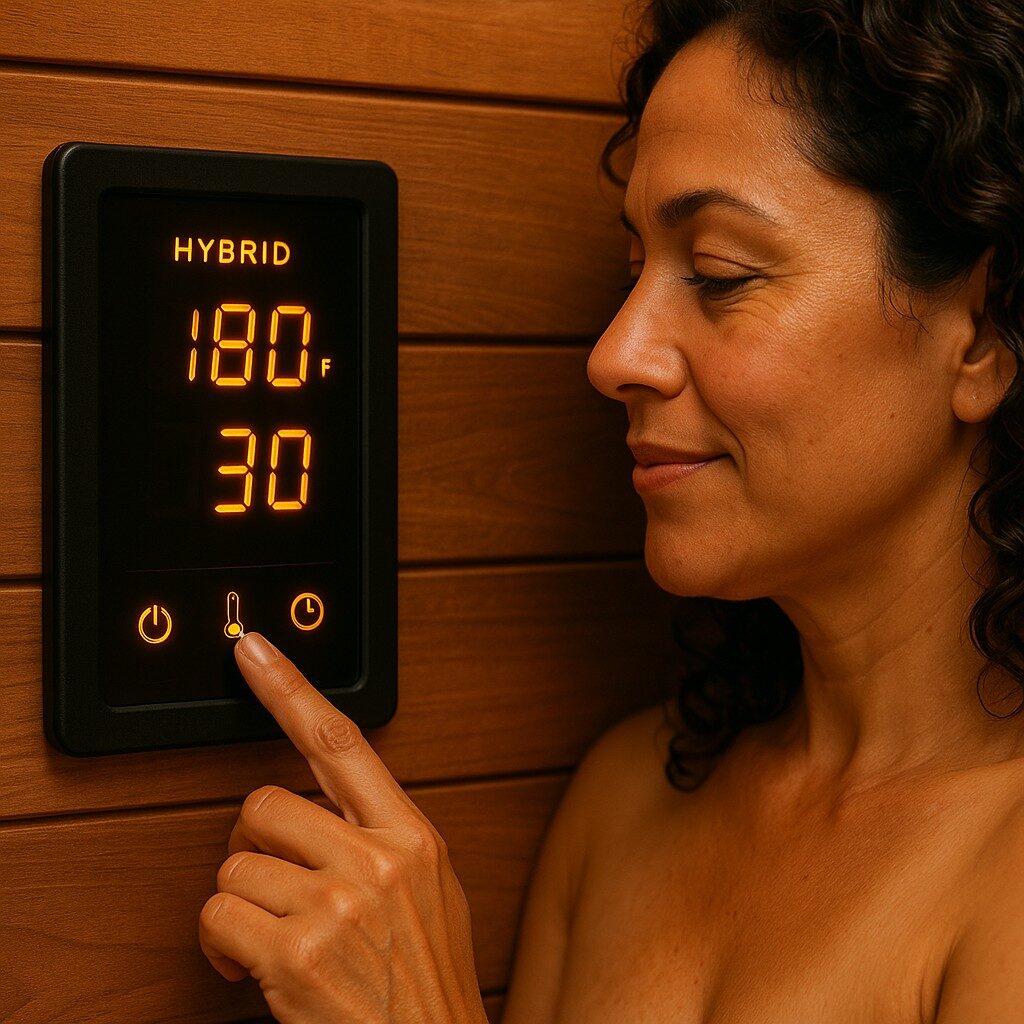
Some even incorporate complementary wellness technologies like chromotherapy lighting or audio systems that further enhance relaxation.
From a maintenance perspective, these integrated wellness cabins generally require similar upkeep to traditional models. Regular cleaning of surfaces, occasional checks on heating elements, and proper ventilation remain important. The consolidated design means maintaining one unit rather than two separate systems, potentially saving time and reducing complexity for owners.
How to choose the best hybrid sauna for your home
Selecting the ideal dual-technology thermal system requires careful consideration of several key factors. Making an informed decision will ensure your wellness investment meets both your health objectives and practical requirements.
Size and capacity should be your first consideration. Measure your available space carefully and determine how many people will typically use the unit simultaneously. Models range from compact single-person chambers to spacious units accommodating five or more users. Remember that larger units require more energy to heat, so balancing capacity needs with energy efficiency is important.
Material quality significantly impacts both the experience and longevity of your wellness investment. Premium woods like Western red cedar, Canadian hemlock, or Nordic spruce offer natural resistance to humidity, pleasant aromatic properties, and excellent insulation. Inspect the thickness of wall panels, the quality of glass doors, and the overall construction robustness—these elements directly affect heat retention and energy efficiency.
Heating technology deserves careful scrutiny. For the conventional component, look for stainless steel heaters with appropriate power ratings for the cabin size. In the infrared system, carbon panels generally provide more even heat distribution than ceramic emitters. Some premium models now offer full-spectrum infrared technology, providing a range of infrared wavelengths for comprehensive therapeutic benefits.
Control systems vary widely between manufacturers. User-friendly digital interfaces with precise temperature control, timing functions, and easy mode switching enhance the overall experience. Advanced models might offer programmable settings for different users, app connectivity, or voice control integration with smart home systems. Consider which convenience features matter most to your household.
Safety features should never be compromised. Look for automatic shutoff systems, temperature limiters, and proper certification for electrical components. If you have health concerns, consult with healthcare providers before purchase, and consider models with lower EMF (electromagnetic field) emissions if this is a priority for you.
Installation requirements vary significantly between models. Some require professional electrical work and dedicated circuits, while others might simply plug into standard outlets. Consider ventilation needs, floor reinforcement requirements (for heavier models), and whether the unit can be self-assembled or requires professional installation.
Warranty coverage differs substantially between manufacturers. Premium systems typically offer longer protection periods, often with different terms for different components. A comprehensive warranty covering both heating elements—conventional and infrared—provides valuable peace of mind for this significant investment.
Brand reputation and customer support should factor into your decision process. Research user reviews, focusing on long-term reliability and company responsiveness to service issues. Established manufacturers with dedicated support teams typically provide better after-purchase experiences than newer market entrants.
Cost considerations extend beyond the initial purchase price. Calculate potential energy consumption based on your expected usage patterns, factoring in local electricity rates. While dual-technology units typically cost more upfront than single-system chambers, the versatility and combined functionality often represent better long-term value for regular users.
Conclusion
The versatile wellness chamber represents a significant evolution in home thermal therapy, offering unparalleled flexibility through its innovative combination of traditional heating and infrared technology. These dual-system units deliver comprehensive health advantages by combining the intense purifying heat of conventional cabins with the gentle, penetrating warmth of infrared technology—creating a customizable experience that adapts to changing wellness needs and preferences.
For households with multiple users, the ability to select between heating methods or combine them eliminates the compromise required with single-technology systems. This adaptability, coupled with the space and cost efficiency of maintaining one versatile unit rather than two separate ones, makes these combination systems particularly attractive for home wellness investments.
As thermal therapy continues gaining recognition for its potential health contributions, from circulation support to muscle recovery and stress reduction, the multi-technology approach offers the most comprehensive solution available. By providing access to different heat experiences within one elegantly designed cabin, these advanced wellness systems represent the future of home thermal therapy—combining ancient wisdom with modern technology for optimal well-being.
Before making your selection, carefully assess your wellness objectives, space limitations, and household preferences. Consider consulting with wellness professionals about which features might best support your specific health goals. With thoughtful research and selection, a quality dual-technology thermal system can become a centerpiece of your home wellness routine, offering years of customizable health benefits for you and your household.
Frequently asked questions (FAQ)
What is a hybrid sauna and how does it work?
A hybrid sauna combines a traditional heater (producing high-temperature steam or dry heat) with infrared heaters (producing gentle, deeply penetrating warmth). Users can choose either heating style or use both at once for a tailored session.
Are hybrid saunas more beneficial than traditional or infrared alone?
Hybrid saunas deliver the combined benefits of both technologies—promoting detoxification, deeper muscle recovery, stress reduction, and customizable comfort—unlike single-type saunas.
Are hybrid saunas energy efficient?
Generally yes, because you can use the more energy-efficient infrared mode for lower daily running costs, but have the option of full traditional heating when desired.
Do hybrid saunas cost more than regular saunas?
They typically have a higher up-front cost but may save money over buying two separate units and can offer better value for families or frequent users.
What maintenance does a hybrid sauna require?
Like any sauna, regular surface cleaning, occasional checks on heating elements, and ventilation are important. Hybrid systems may require periodic inspections of both the sauna stove and the infrared emitters.