 English
 French
 German
 Lithuanian
 Polish
 Spanish
Once reserved for elite athletes and hardcore fitness enthusiasts, ice baths have surged into the wellness mainstream. This ancient practice—immersing the body in near-freezing water—is now embraced by weekend warriors, health optimizers, and even celebrities documenting their shivering experiences on social media. The resurgence of cold water therapy represents more than just a trend; it reflects growing interest in natural recovery methods and stress management techniques. Whether you’ve seen athletes sitting in tubs of ice after competitions or heard about the cold plunge experience from wellness influencers, understanding the science, benefits, and risks can help you determine if this chilling practice deserves a place in your health routine.
In this comprehensive guide, you’ll discover the physiological effects of cold water immersion, evidence-based benefits, potential risks, and practical guidelines for safely incorporating ice baths into your wellness regimen. We’ll separate scientific fact from fiction, offering clear insights whether you’re an athlete seeking enhanced recovery or someone curious about this increasingly popular wellness practice.
What are ice baths and cold water immersion?
Ice baths, also known as cold water immersion (CWI), involve submerging the body in water maintained at temperatures typically between 50–59°F (10–15°C). While professional athletes might endure even colder temperatures, this range represents the sweet spot where therapeutic benefits can be achieved while minimizing excessive discomfort and risk.
Cold water immersion exists on a spectrum of cold therapy methods. An ice bath specifically refers to water cooled with actual ice, creating a controlled cold environment. This differs slightly from a cold plunge, which may refer to purpose-built tubs with temperature regulation systems or natural environments like cold lakes or ocean waters.
The setup for an ice bath can range from sophisticated to simple.
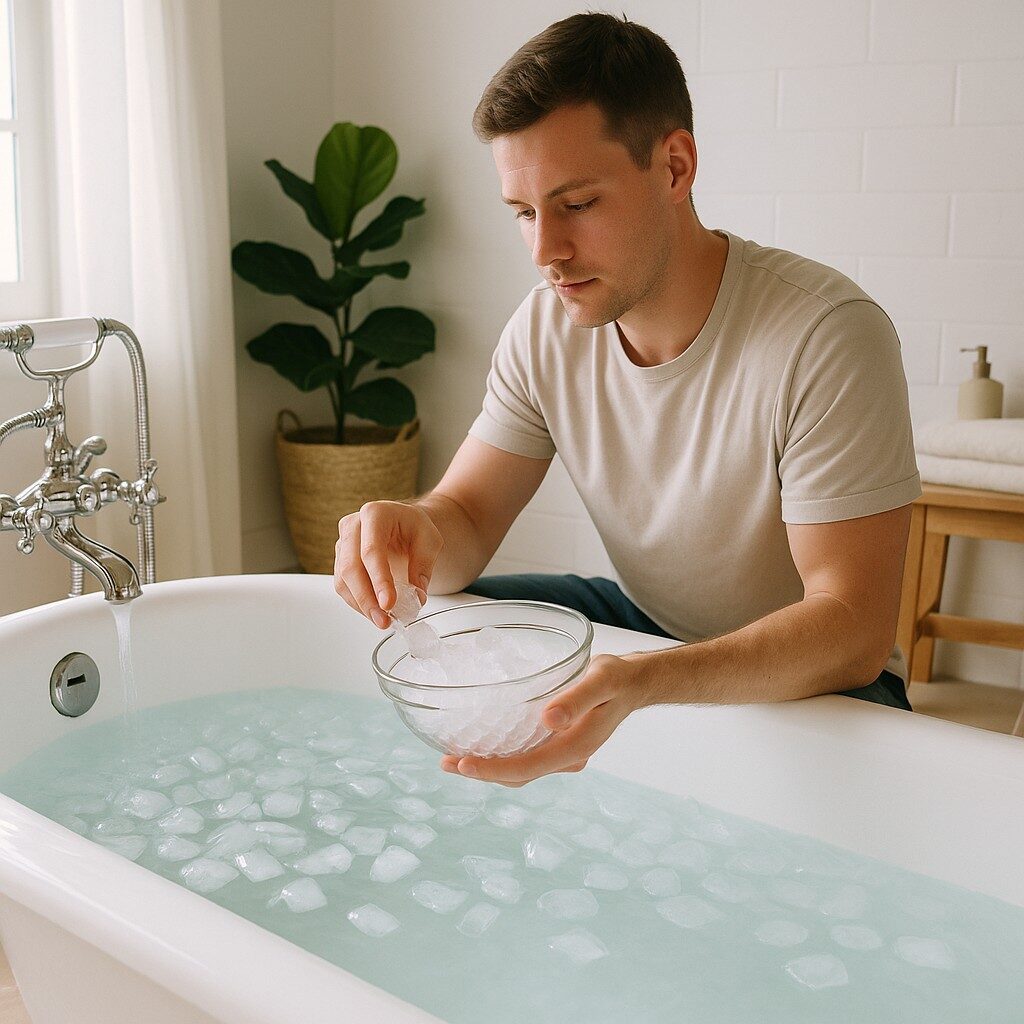
Professional training facilities might feature specialized stainless steel tubs with temperature control systems, while home users often utilize standard bathtubs, livestock watering troughs, or dedicated consumer cold plunge tubs. The fundamental components remain consistent: cold water, a safe container, and careful temperature monitoring.
Types of cold therapy methods
Cold therapy encompasses several approaches, each with distinct characteristics:
- Ice baths: The most intense form, typically involving water between 50–59°F (10–15°C) with actual ice added to maintain temperature.
- Cold plunge tubs: Purpose-built containers with cooling and filtration systems for repeated use. For those researching at-home recovery tools, affordable ice bath tubs have made this practice more accessible than ever.
- Cold showers: The most accessible method, providing similar but milder effects than full immersion.
- Natural immersion: Lakes, rivers, and oceans provide naturally cold environments, though temperatures vary seasonally and geographically.
- Contrast therapy: Alternating between cold and hot water to enhance circulation and recovery.
Each method offers unique advantages depending on your goals, resources, and cold tolerance. The core physiological response—the body’s reaction to sudden cold—remains the primary mechanism across all variations.
The science-backed benefits of ice baths
Cold water immersion triggers a cascade of physiological responses that contribute to various health benefits. Research has identified several evidence-backed advantages to regular ice bath practice, though the degree of benefit varies by individual and context.
The primary benefits include:
- Enhanced muscle recovery: Cold exposure constricts blood vessels and reduces blood flow to the immersed areas, which helps decrease metabolic activity and slow down physiological processes related to inflammation. When you exit the cold water, the subsequent vasodilation (blood vessel expansion) promotes enhanced circulation and nutrient delivery to recovering muscles. Studies have shown this process can reduce exercise-induced muscle damage and soreness, particularly after high-intensity or eccentric exercises.

- Reduced inflammation: Ice baths lower tissue temperature and metabolic demand, thereby reducing inflammatory responses in affected areas. This can be particularly beneficial for managing exercise-induced inflammation or supporting recovery from intense physical activity.
- Improved immune function: Regular cold exposure appears to stimulate the immune system through hormetic stress—a beneficial response to mild stressors. Research indicates that controlled cold exposure increases levels of immune cells like monocytes, lymphocytes, and neutrophils. One study found that regular practitioners of cold water immersion reported fewer respiratory infections.
- Enhanced circulation: The constriction-dilation cycle triggered by cold immersion acts as a vascular workout, potentially improving overall circulatory health over time.
- Mental resilience and mood enhancement: Cold immersion activates the sympathetic nervous system and triggers release of norepinephrine, dopamine, and other neurotransmitters associated with alertness, mood improvement, and stress resilience. Regular practitioners often report improved mental clarity, reduced symptoms of depression, and enhanced ability to handle stressful situations.
- Metabolic activation: Exposure to cold triggers the conversion of white fat to brown fat (a metabolically active tissue) and activates brown adipose tissue, potentially supporting energy expenditure and metabolic health.
Are there long-term benefits?
The research on long-term benefits of regular ice bath practice presents a more nuanced picture. While short-term recovery advantages are well-documented, the evidence for chronic adaptation effects shows mixed results:
- Adaptation concerns: Some research suggests that regular cold water immersion immediately after strength training may blunt long-term muscle adaptation and strength gains. This indicates that timing matters—using ice baths strategically rather than after every workout may be optimal for those focused on muscle development.
- Cold hardening: Regular practitioners appear to develop increased tolerance to cold exposure over time, with improved regulation of core temperature and diminished cold stress response. This adaptation may have evolutionary advantages in resilience.
- Mood and mental health: Preliminary evidence suggests regular cold exposure may have cumulative benefits for mood regulation, stress management, and mental resilience, potentially through adaptation of the nervous system and consistent release of mood-enhancing neurochemicals.
- Metabolic conditioning: Long-term cold exposure may improve insulin sensitivity and fat metabolism, though more research is needed to establish optimal protocols.
The current scientific consensus suggests that ice baths provide clear acute recovery benefits but should be strategically implemented based on training goals. For instance, limiting cold therapy after strength workouts focused on muscle growth, while utilizing it more liberally after endurance activities or during competition periods when recovery between events is prioritized.
Risks and safety considerations of ice baths
While ice baths offer potential health benefits, they also present significant risks that require careful consideration. Cold water immersion creates physiological stress that can be dangerous or even life-threatening for certain individuals.
Key risks associated with ice baths include:
- Cold shock response: Sudden immersion in cold water triggers an involuntary gasp reflex and hyperventilation, potentially leading to drowning if the head is submerged. This initial shock also causes rapid elevation in heart rate and blood pressure, which can strain the cardiovascular system.
- Hypothermia: Prolonged exposure to cold water can dangerously lower core body temperature, leading to impaired cognitive and physical function, confusion, and in severe cases, cardiac arrest.
- Cardiovascular stress: The dramatic constriction of blood vessels increases peripheral resistance and blood pressure, potentially overwhelming an already compromised cardiovascular system.
- Nerve damage: Extended direct contact between ice and skin can cause localized nerve damage or frostbite, particularly in extremities with less circulation.
- Syncope (fainting): Rapid blood pressure changes when entering or exiting cold water can cause dizziness or loss of consciousness.
- Rebound inflammation: Inappropriate application of cold therapy can sometimes worsen inflammation by causing excessive reactive hyperemia (increased blood flow) when warming occurs.
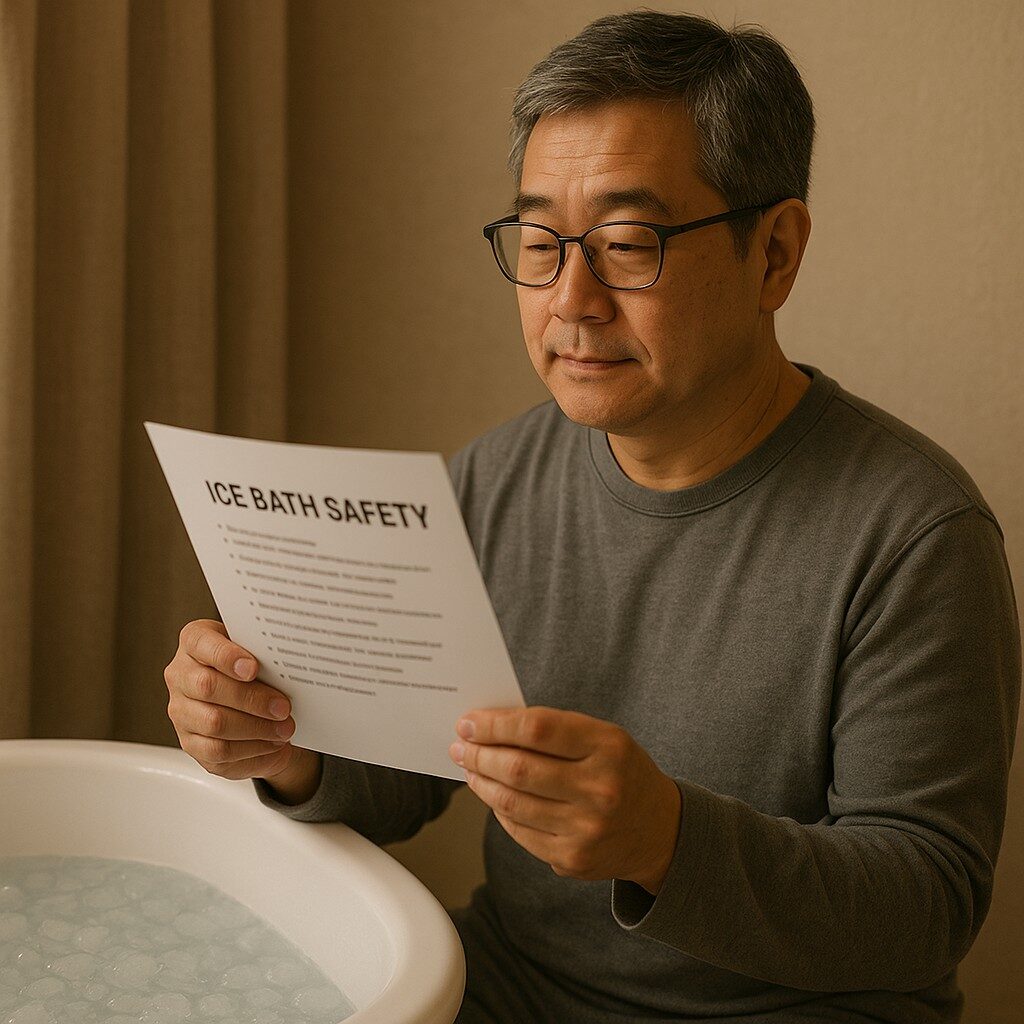
Safety precautions should include gradual acclimatization to cold temperatures, maintaining proper hydration, limiting exposure time, ensuring appropriate supervision, and creating safe entry and exit strategies. Never practice cold immersion alone, particularly when beginning, and always have warm, dry clothing readily available.
Who should absolutely avoid ice baths?
Certain populations face substantially higher risks from cold water immersion and should avoid the practice entirely or consult with healthcare providers before attempting even modified versions. Breathwork and cold exposure combinations, while beneficial for some, can exacerbate risks for vulnerable individuals.
Those who should exercise extreme caution or avoid ice baths completely include:
- Individuals with cardiovascular conditions: Those with diagnosed heart disease, uncontrolled hypertension, history of heart attacks, or stroke should avoid cold immersion due to the significant cardiovascular stress it causes.
- People with Raynaud’s phenomenon: This condition involves extreme vasoconstriction in extremities when exposed to cold, potentially leading to tissue damage.
- Those with peripheral vascular disease: Compromised circulation to extremities increases risk of tissue damage from cold exposure.
- Individuals with cold urticaria: This allergic condition causes hives and potentially anaphylaxis in response to cold.
- People with diabetes: Particularly those with neuropathy who may not properly sense cold-induced pain or damage.
- Pregnant women: Due to limited research on effects during pregnancy and the body’s altered temperature regulation.
- Young children: Their bodies lose heat more rapidly and have less developed temperature regulation.
- Elderly individuals: Often have diminished temperature regulation and increased cardiovascular vulnerability.
- Those taking certain medications: Beta-blockers, vasoconstrictors, and some blood pressure medications can interfere with the body’s normal response to cold.
Warning signs requiring immediate exit from cold water include chest pain, severe headache, confusion, extreme shivering or cessation of shivering, slurred speech, or numbness spreading beyond immersed areas.
How to take an ice bath safely: step-by-step guide
Creating a safe and beneficial ice bath experience requires proper preparation and technique. Following these guidelines can help minimize risks while maximizing potential benefits from cold water immersion.
Here’s a comprehensive approach to safe ice bathing:
Preparation:
- Choose an appropriate container that allows comfortable sitting with water reaching mid-chest level
- Have a thermometer ready to monitor water temperature
- Prepare warm clothing, towels, and a hot beverage for afterward
- Ensure another person is nearby for safety supervision
- Consider timing (not immediately before bed or after a heavy meal.
Temperature setup:
- For beginners: Start at 55–59°F (13–15°C)
- Intermediate: 50–55°F (10–13°C)
- Advanced: 45–50°F (7–10°C)
- Fill the bath with cold water first, then add ice gradually to reach target temperature.
Pre-immersion:
- Perform light movement to warm muscles slightly
- Practice deep, controlled breathing to mentally prepare
- Enter with a calm mindset, focusing on controlled response
Immersion technique:
- Enter slowly, beginning with feet and legs
- Lower body gradually to mid-chest level
- Keep hands above water initially if needed
- Focus on slow, deep breathing through the initial shock phase
Duration guidelines:
- Beginners: 1–3 minutes
- Intermediate: 3–8 minutes
- Advanced: 8–15 minutes
- Never exceed 15 minutes regardless of experience level
Monitoring responses:
- Maintain normal breathing pattern
- Watch for excessive shivering or numbness
- Exit immediately if experiencing dizziness, nausea, or chest discomfort
Safe exit:
- Move slowly when standing to avoid blood pressure drops
- Dry off immediately, focusing first on extremities
- Change into warm, dry clothing
- Allow body to rewarm naturally (avoid hot showers immediately after)
For recovery purposes, timing your ice bath within 30 minutes after exercise appears to provide optimal inflammation management benefits. However, if your primary goal is long-term strength gains, consider scheduling cold exposure at least 3–4 hours after resistance training to avoid interfering with muscle-building adaptations.
Choosing the right ice bath product
As cold therapy gains popularity, the market offers increasingly diverse options for home setups. Your choice depends on budget, available space, desired features, and commitment level.
Common ice bath options include:
- DIY solutions:
- Standard bathtubs with ice added (most accessible option)
- Stock tanks/livestock troughs (affordable, durable, freestanding)
- Chest freezers converted with waterproof liners and external thermostats (advanced DIY)
- Inflatable pools or specialized inflatable ice bath products (portable, compact storage)
- Commercial options:
- Entry-level dedicated cold plunge tubs ($500-1,500)
- Mid-range systems with basic filtration ($1,500-4,000)
- Premium systems with cooling, filtration, and sanitization ($4,000-10,000+)
Key features to consider include:
- Insulation quality: Affects ice retention and electricity costs for cooled models
- Water management: Drainage systems, filtration options
- Temperature control: Manual (adding ice) vs. built-in cooling systems
- Size and capacity: Ensure comfortable positioning for your body size
- Durability: Materials that withstand repeated temperature fluctuations
- Mobility: Fixed installation vs. portable options
For beginners unsure about long-term commitment, starting with simple methods using existing household items or affordable dedicated products makes sense before investing in premium systems. Those with space constraints might consider collapsible options that store compactly when not in use.
Should you try ice baths? Final verdict
After weighing the evidence, potential benefits, and risks, the decision to incorporate ice baths into your wellness routine remains highly personal. For many, the practice offers valuable recovery and resilience-building benefits when implemented safely and appropriately. For others, the risks may outweigh potential advantages.
Consider ice baths if:
- You’re an athlete seeking enhanced recovery between training sessions
- You experience significant muscle soreness after workouts
- You’re looking for natural methods to manage inflammation
- You’re interested in potential mental resilience and mood benefits
- You have no contraindicated health conditions
- You’re willing to properly educate yourself on safe protocols
Exercise caution or avoid entirely if:
- You have cardiovascular, circulatory, or certain chronic health conditions
- You’re primarily focused on maximum strength and muscle gains
- You have experienced negative reactions to cold exposure previously
- You lack proper equipment or supervision for safe practice
For those curious but hesitant, consider a gradual approach. Begin with briefer cold shower exposures, which offer a milder introduction to cold therapy with lower risk. This allows you to gauge your body’s response and build cold tolerance before attempting full immersion.
Remember that ice baths represent just one tool in a comprehensive wellness and recovery toolkit. They complement, rather than replace, fundamentals like proper nutrition, adequate sleep, hydration, and natural energy boosters. The optimal approach integrates various strategies tailored to your unique needs, goals, and physiological responses.
Whatever your decision, prioritize safety, listen to your body’s feedback, and consider consulting with healthcare professionals before beginning any new wellness practice, especially one with the physiological demands of cold water immersion.
Frequently asked questions
How long should you stay in an ice bath?
Most sources recommend 5–15 minutes; always start on the shorter side, especially if new to cold immersion. Beginners should limit sessions to 1-3 minutes and gradually increase exposure as tolerance develops.
What temperature is best for an ice bath?
An optimal range is typically 50–59°F (10–15°C), but adaptations may be needed for personal safety. Beginners should start at the warmer end of this range (55-59°F) and progressively work toward colder temperatures as their bodies adapt.
Are ice baths safe for everyone?
No. People with heart conditions, circulatory problems, or certain medications (like beta-blockers) should avoid them; always consult a doctor first. Pregnant women, young children, and elderly individuals should also exercise extreme caution or avoid cold immersion entirely.
What's the difference between an ice bath and a cold plunge?
“Ice bath” usually means a tub filled with ice and water, while “cold plunge” can refer to specially designed tubs or brief natural immersions. Cold plunges often involve purpose-built facilities with temperature regulation, while ice baths typically use actual ice to achieve cooling.
Can ice baths improve mood and mental health?
Some studies and users report improved alertness and mood, but research is ongoing and not all results are consistent. The release of norepinephrine and dopamine during cold exposure appears to create positive effects on mood and stress resilience for many practitioners.