
 English
 French
 German
 Lithuanian
 Polish
 Spanish
Hot tubs have evolved from luxury items to wellness tools that offer numerous health and lifestyle benefits. Beyond the simple pleasure of relaxing in warm water, regular hot tub use provides therapeutic advantages through hydrotherapy—the practice of using water for pain relief and treatment. This natural therapy harnesses the healing properties of water through temperature, buoyancy, and massage.
In this comprehensive guide, we’ll explore the wide-ranging benefits of hot tub use, from stress reduction and pain management to improved sleep and cardiovascular health. Whether you’re considering purchasing a spa or looking to maximize the benefits of one you already own, understanding these advantages will help you make informed decisions about incorporating hot tub therapy into your wellness routine.
mental clarity, and emotional resilience. This comprehensive guide explores how these two ancient yet trending practices work together to create a synergistic effect that might be the missing piece in your wellness routine.
Stress relief and mental wellness
In our fast-paced world, finding effective ways to manage stress is crucial for mental health. Hot tubs offer a natural, drug-free method for reducing stress and promoting relaxation. The combination of warm water, massage jets, and buoyancy creates an environment where both mind and body can decompress.
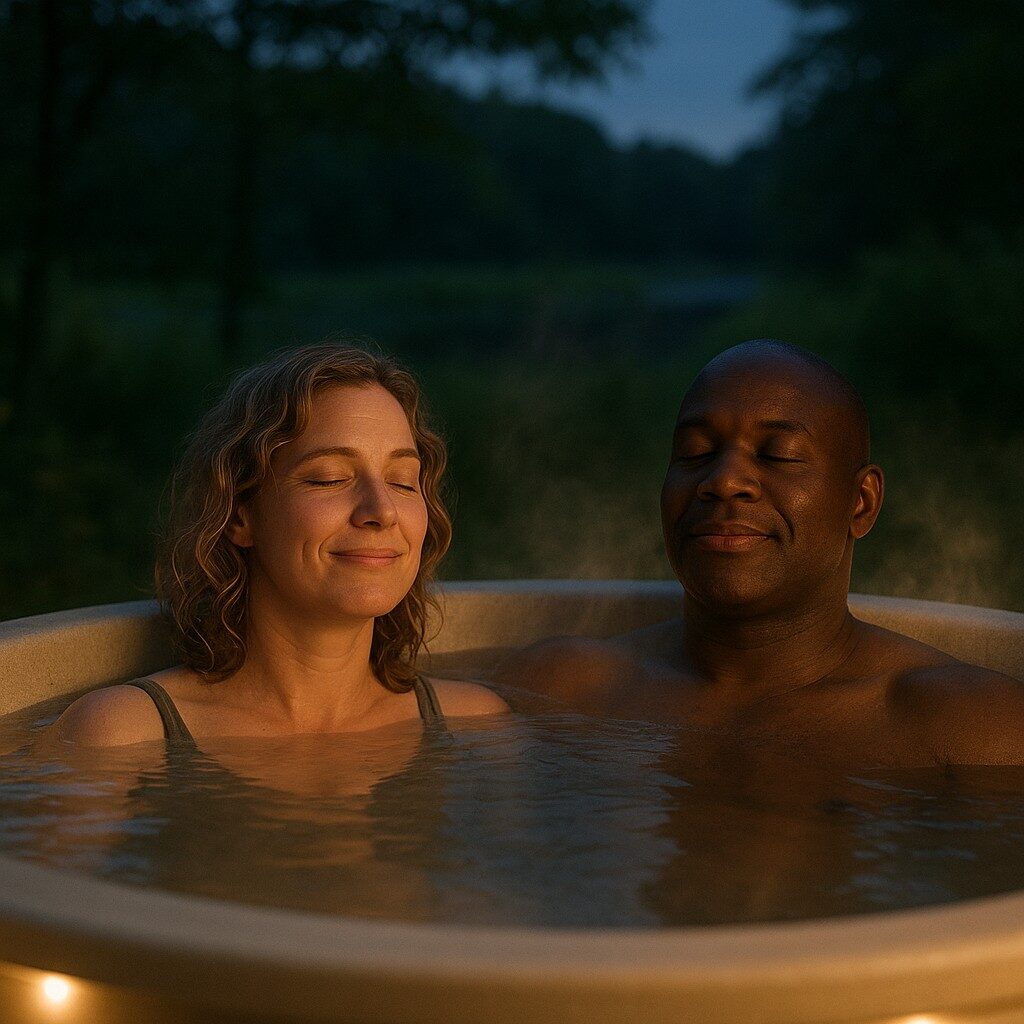
Immersion in warm water triggers the body’s relaxation response, helping to lower cortisol levels—the primary stress hormone. Research from the National Institutes of Health suggests that hydrotherapy can significantly reduce anxiety and tension. As blood vessels dilate in response to heat, circulation improves, creating a sense of calm throughout the body.
Many hot tub users report that regular sessions help them manage daily stressors more effectively, with benefits lasting well beyond the time spent soaking. The warm environment encourages mindfulness and present-moment awareness, pulling focus away from racing thoughts and worry patterns that contribute to anxiety disorders.
Practical tips for maximizing stress relief
- schedule your soak time for when you’re most stressed (often after work)
- enhance relaxation with calming essential oils like lavender or eucalyptus
- practice deep breathing exercises while in the water
- limit distractions by keeping electronics away from the tub
- create a relaxing environment with soft lighting and calming music
- maintain a consistent routine of 15-20 minute sessions
Muscle relaxation and pain management
Soaking in a hot tub delivers powerful therapeutic effects for those suffering from muscle tension, soreness, and chronic pain conditions. The combination of heat, buoyancy, and jet massage creates an ideal environment for natural pain relief and recovery.
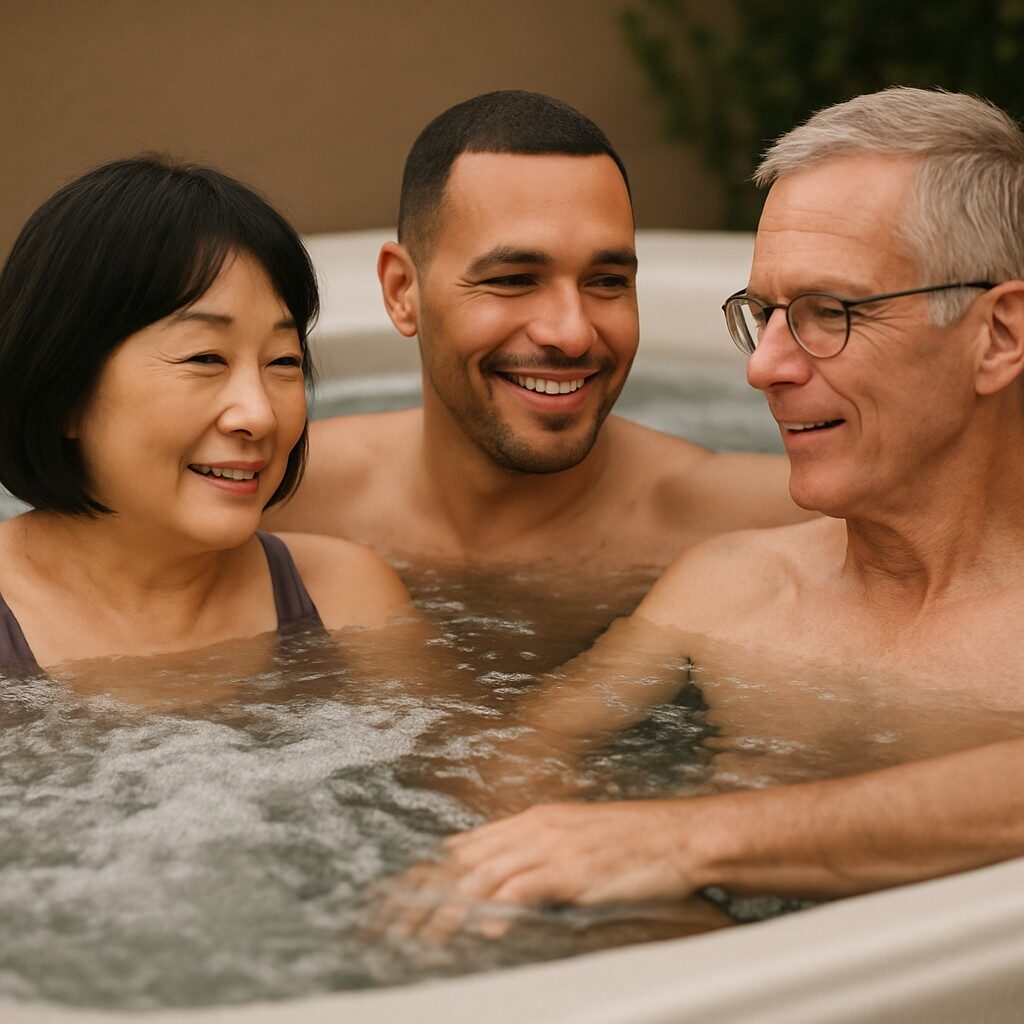
Warm water helps increase blood flow to sore or tight muscles, delivering oxygen and nutrients while removing waste products that accumulate during exercise or periods of tension. This improved circulation accelerates healing and reduces recovery time. Meanwhile, the buoyancy of water reduces body weight by approximately 90%, taking pressure off joints and allowing muscles to relax more completely than possible on land.
Hydrotherapy has proven especially beneficial for those with arthritis, fibromyalgia, and lower back pain. The Arthritis Foundation recognizes warm water therapy as an effective treatment for joint pain and stiffness, noting that regular sessions can improve strength and flexibility while decreasing pain. The massage action from strategically positioned jets targets specific muscle groups, working like a hands-free massage therapist to release tension in problem areas.
Hot tubs vs. other recovery tools
While several recovery methods exist, hot tubs offer unique advantages. Unlike saunas, which primarily deliver dry heat without the benefit of buoyancy or massage, hot tubs provide multidimensional therapy. Traditional massage requires scheduling and additional expense, whereas a home spa is available whenever needed. Ice baths, while effective for acute inflammation, lack the comfort and circulation-enhancing benefits of warm water therapy.
The combination of heat, buoyancy, and massage makes hot tubs particularly effective for whole-body relaxation and recovery, addressing multiple physical issues simultaneously in a comfortable, enjoyable environment.
Sleep enhancement
Quality sleep remains elusive for millions of people, yet hot tub use offers a natural solution for those struggling with insomnia or disrupted sleep patterns. Incorporating a 20-30 minute soak into your bedtime routine can dramatically improve both sleep onset and overall sleep quality.
The science behind this benefit is fascinating. When you soak in warm water, your core body temperature rises. After exiting the hot tub, your body temperature gradually drops, mimicking the natural temperature decrease that signals your brain it’s time to sleep. This temperature drop triggers the production of melatonin, the hormone responsible for regulating sleep cycles.
Beyond temperature regulation, the relaxation effects of hydrotherapy reduce anxiety and racing thoughts that often prevent sleep. The National Sleep Foundation acknowledges that activities promoting relaxation before bedtime, such as warm baths or hot tub use, can significantly improve sleep quality, especially for those with sleep disorders related to stress or physical discomfort.
For optimal sleep benefits, time your soak approximately 90 minutes before bedtime.
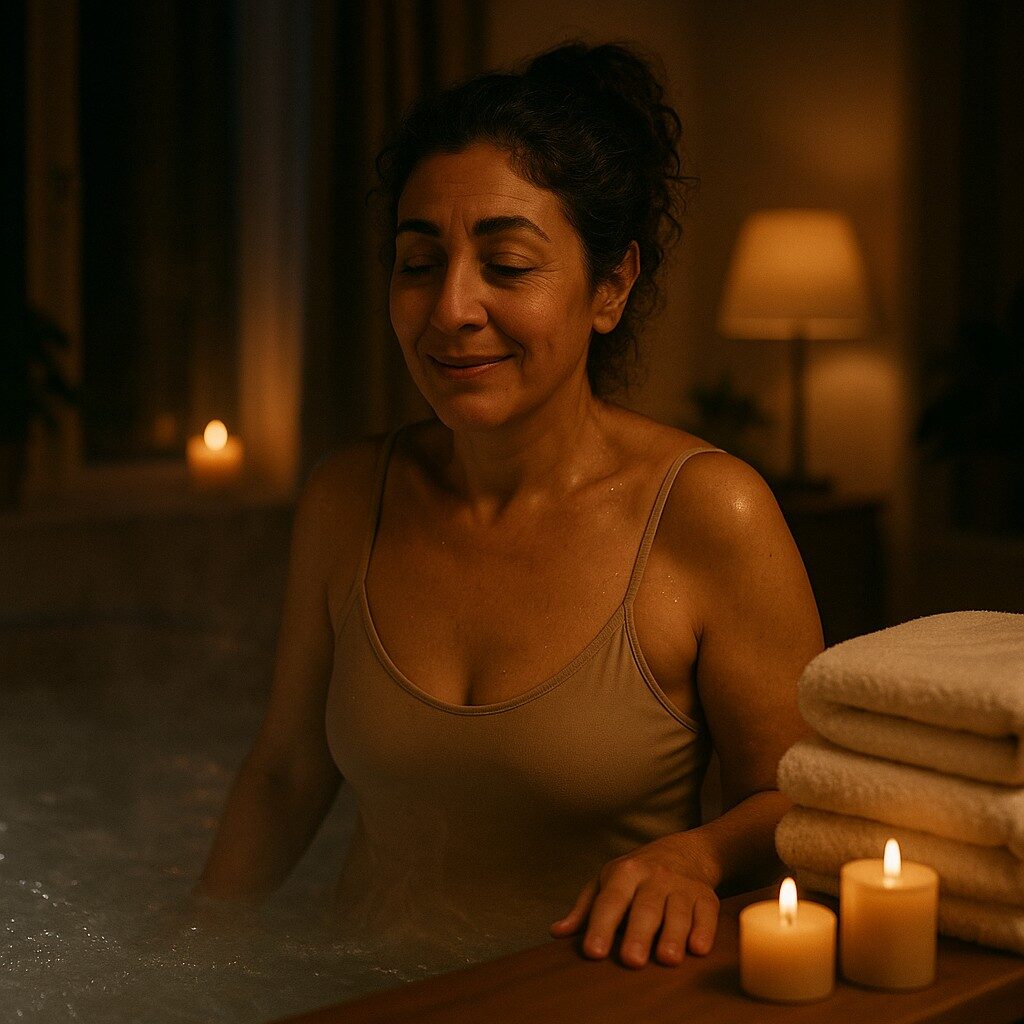
This allows your body temperature sufficient time to drop, creating ideal conditions for falling asleep quickly and entering deeper sleep stages throughout the night.
Cardiovascular and metabolic benefits
Regular spa sessions contribute to heart health and metabolic function in several surprising ways. The cardiovascular system responds to immersion in warm water with beneficial adaptations that can support overall heart function and circulation.
When submerged in heated water, blood vessels dilate (vasodilation), improving circulation throughout the body. This temporary increase in blood flow allows oxygen and nutrients to reach tissues more efficiently while assisting in the removal of metabolic waste. For many individuals, this improved circulation helps reduce blood pressure temporarily—though people with hypertension should consult healthcare providers before beginning regular hot tub therapy.
From a metabolic perspective, spending time in a heated spa can increase calorie burn modestly. While not a replacement for exercise, research indicates that soaking in hot water elevates heart rate and metabolism similar to light physical activity. A study published in the journal Temperature found that passive heating through hot water immersion increased energy expenditure by about 80% compared to rest, which may provide some metabolic benefits.
Some research also suggests that regular heat therapy may improve insulin sensitivity and glucose metabolism, potentially offering benefits for those at risk of metabolic disorders. The physiological stress of heat exposure appears to trigger adaptive responses similar to those from exercise, though at a reduced intensity.
Is a hot tub safe for heart health?
While hot tubs offer cardiovascular benefits for many users, certain precautions must be observed. Individuals with diagnosed heart conditions, uncontrolled hypertension, or recent cardiovascular events should consult their physicians before beginning hot tub therapy.
To maximize safety, keep these guidelines in mind:
- maintain water temperature below 104°F (40°C)
- limit soaking sessions to 15-20 minutes initially
- stay hydrated by drinking water before and after
- exit slowly if experiencing dizziness or rapid heartbeat
- avoid alcohol consumption before or during hot tub use
With proper precautions, hot tub use can be part of a heart-healthy lifestyle for many individuals, supporting circulation and cardiovascular function naturally.
Inflammation reduction and joint health
For those suffering from inflammatory conditions and joint problems, hot tub therapy offers significant relief through several mechanisms. The combination of heat, buoyancy, and gentle resistance creates ideal conditions for joint maintenance and recovery.
Water buoyancy dramatically reduces the effects of gravity on painful joints, instantly decreasing pressure and allowing for greater freedom of movement. For arthritis sufferers, this weightlessness can provide a welcome respite from constant joint strain. The Arthritis Foundation notes that water supports 90% of body weight, creating an environment where joints can move more freely with minimal pain.
Heat from the spa helps increase blood flow to affected areas, bringing fresh oxygen and nutrients while flushing inflammatory compounds from tissues. This improved circulation can temporarily reduce swelling and stiffness in arthritic joints. Additionally, warm water therapy helps increase the production of synovial fluid—the natural lubricant in joints—improving mobility and reducing friction between joint surfaces.
Many users report increased range of motion after regular hot tub sessions. Gentle stretching exercises performed in the spa can be particularly effective, as the heat relaxes tissues and the buoyancy supports joints during movement. Over time, these sessions may help maintain or even improve flexibility that might otherwise decrease due to inflammatory conditions.
While not a cure for degenerative joint conditions, consistent hydrotherapy serves as an effective complement to traditional treatments, potentially reducing reliance on pain medications for some individuals.
Additional lifestyle benefits
Beyond the physical and mental health advantages, hot tubs enrich daily life in numerous ways that contribute to overall well-being and satisfaction. These quality-of-life improvements often become equally compelling reasons for ownership.
Spas naturally create opportunities for meaningful social connection in our otherwise technology-dominated world. Family conversations flow more easily without screens and distractions, creating bonding experiences that strengthen relationships.

Friends gather more readily when invited for a relaxing soak, making hot tubs natural catalysts for social gatherings and deeper connections.
From a skin health perspective, the increased circulation and perspiration during hot tub sessions can improve complexion by flushing toxins and promoting cell renewal. Many users report a healthy “glow” after regular use, though proper hydration remains essential to maximize these benefits.
Hot tubs also contribute to creating personal wellness rituals—dedicated self-care time that many people otherwise struggle to incorporate into busy schedules. This regular pause for relaxation and reflection helps cultivate mindfulness practices that carry over into everyday life.
For those with physically demanding jobs or active lifestyles, evening hot tub sessions create a clear boundary between work and rest, helping to signal the body that the day’s exertions are complete. This transition ritual improves work-life balance by creating dedicated recovery time.
While not a primary weight management tool, some studies suggest that regular heat exposure through hot tub use may support metabolic health through improved circulation and stress reduction—factors that influence weight regulation indirectly.
Safety, risks, and how to maximize benefits
To enjoy the full advantages of hot tub therapy while minimizing potential risks, understanding proper usage guidelines is essential. With sensible precautions, most adults can safely incorporate regular soaking into their wellness routines.
Temperature management ranks among the most crucial safety factors. The Consumer Product Safety Commission recommends keeping water temperature at or below 104°F (40°C), with lower temperatures (100-102°F) often being more comfortable for extended sessions. Always check the temperature before entering, as overheated water can lead to dizziness, dehydration, or more serious health complications.
Proper hydration deserves special attention during hot tub sessions. The body loses significant amounts of fluid through sweating in heated water, so drinking water before, during, and after soaking helps prevent dehydration. Avoid alcohol consumption before or during hot tub use, as it can accelerate dehydration and impair judgment.
Certain groups should exercise additional caution or avoid hot tubs entirely. Pregnant women should consult healthcare providers before use, as elevated core temperatures may pose risks during pregnancy. Individuals with heart conditions, diabetes, low blood pressure, or open wounds should seek medical guidance before beginning hot tub therapy.
Maintaining proper water chemistry prevents potential skin irritations and infections. Regularly test and adjust sanitizer levels, pH, and alkalinity according to manufacturer guidelines. Shower before entering to reduce the amount of body oils, cosmetics, and bacteria introduced to the water.
How often and how long should you use a hot tub?
Finding the optimal frequency and duration for hot tub sessions depends on individual health conditions and goals. For general wellness and stress management, most experts recommend 15-30 minute sessions, 3-4 times per week. Those using hydrotherapy for specific conditions like arthritis might benefit from more frequent, shorter sessions—perhaps 10-15 minutes daily.
Begin with shorter sessions (10-15 minutes) to assess your body’s response, gradually increasing time as tolerance builds. Listen to your body’s signals; dizziness, excessive fatigue, or skin redness indicate it’s time to exit the water.
Timing also matters—morning soaks can energize and prepare muscles for the day, while evening sessions promote relaxation and sleep. For muscle recovery, using the hot tub within 30 minutes after exercise helps reduce delayed onset muscle soreness.
Ultimately, consistency matters more than duration. Regular shorter sessions typically provide greater benefit than occasional extended soaks, allowing the body to adapt progressively to hydrotherapy’s effects.
Frequently asked questions (FAQ)
How often should you use a hot tub for health benefits?
Most healthy individuals can practice the combo several times a week, but daily exposure may not be necessary or optimal. Listen to your body, and consult a healthcare provider if new to intense cold exposure.
Does a hot tub help with weight loss?
Hot tubs can slightly increase calorie burn and support active lifestyles, but should be part of a broader wellness plan.
Is it safe to use a hot tub every day?
For healthy adults, daily soaks are generally safe if proper time and temperature limits are followed, but consult your doctor for personal guidance..
Who should avoid hot tubs?
Pregnant women, those with certain cardiovascular issues, low blood pressure, skin wounds, or infections should avoid or seek medical advice before hot tub use.
What is the best time to use a hot tub?
Evenings are ideal, especially before bed to aid relaxation and sleep; after workouts for muscle recovery is also popular.