 English
 French
 German
 Lithuanian
 Polish
 Spanish
Temperature therapy—the controlled exposure to hot and cold environments—has emerged as a fascinating area of interest for those seeking to extend not just lifespan but healthspan. From Finnish saunas to Wim Hof-inspired ice baths, practices that were once considered fringe are now gaining scientific attention for their potential role in promoting longevity.
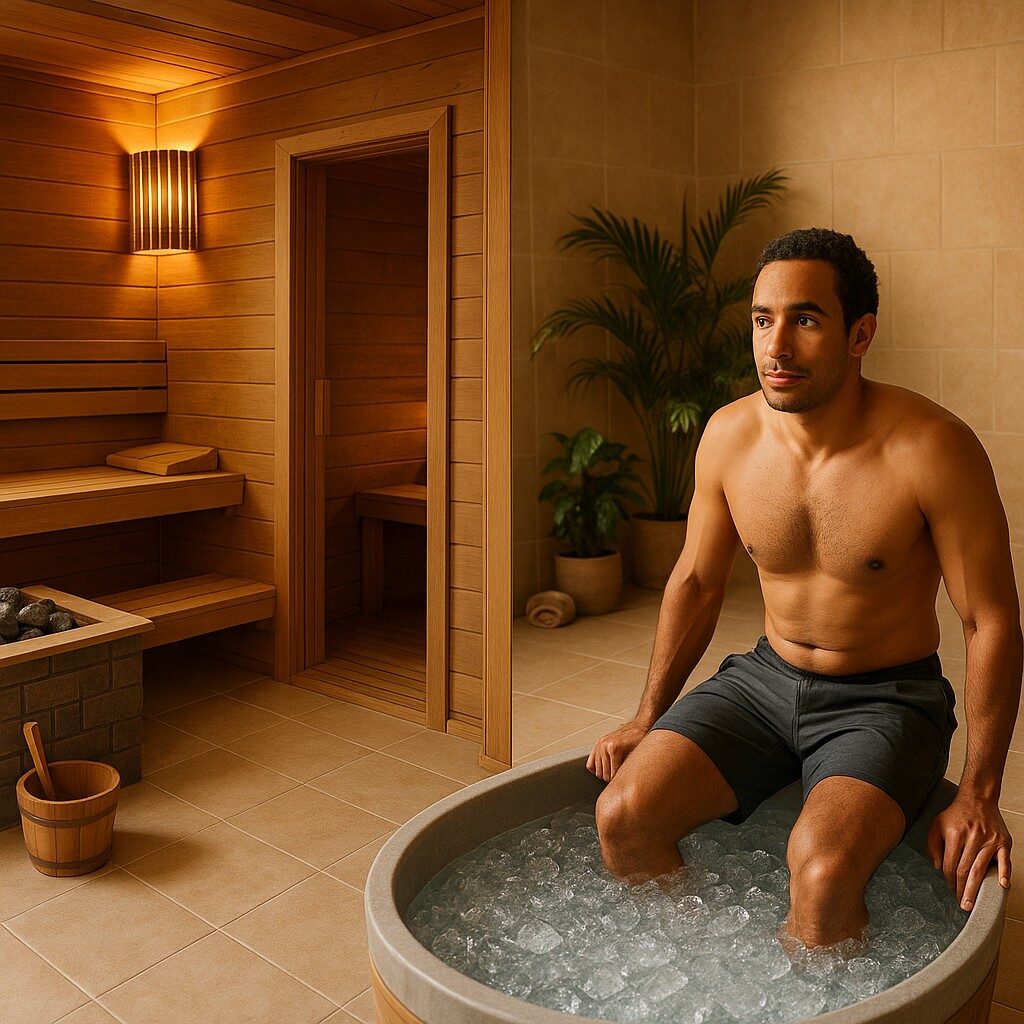
The rising popularity of cold plunges among celebrities and wellness influencers has sparked curiosity about whether these temperature-based practices offer genuine health benefits or are simply passing trends.
While the evidence is still emerging and evolving, studies suggest intriguing connections between how our bodies respond to thermal stress and the biological mechanisms associated with aging and longevity. Temperature therapy appears to trigger adaptive responses that may help protect against age-related decline and disease—potentially offering lessons about how controlled stress can benefit our bodies over time.
In this article, you’ll discover the science behind both cold and heat therapies, their potential impacts on aging processes, practical guidelines for incorporating them safely into your routine, and how these therapies might complement other evidence-based longevity interventions.
The science behind temperature therapy: Why hot and cold stress matters
At the heart of temperature therapy’s potential benefits lies the concept of hormesis—the biological phenomenon where exposure to mild, transient stressors triggers adaptive responses that ultimately strengthen the organism. When our bodies encounter temperature extremes within a manageable range, they activate protective mechanisms that not only help us survive the immediate challenge but may also improve our resilience to other stressors.
Our ancestors regularly experienced thermal variability, from seasonal temperature shifts to the contrast between daytime heat and nighttime cooling. Modern climate-controlled environments have largely eliminated these natural stressors, potentially depriving us of beneficial adaptive responses. Some researchers propose that reintroducing controlled temperature challenges could reactivate these evolutionary adaptations.
Temperature exposure affects multiple systems in the body. Heat activates heat shock proteins that help repair damaged cellular components and protect against oxidative stress—a key factor in aging. Cold exposure stimulates norepinephrine release, activates brown adipose tissue, and may enhance mitochondrial efficiency. Both extremes appear to modulate inflammation pathways that, when chronically activated, contribute to age-related diseases.
Emerging evidence suggests these physiological responses may influence several hallmarks of aging, including cellular senescence, mitochondrial dysfunction, and epigenetic alterations. However, it’s important to note that much of this research is still in early stages, with some findings derived from animal models rather than long-term human studies.
Cold therapy: Can exposure to cold really extend lifespan?
Cold exposure practices have gained considerable attention in wellness circles, from traditional ice baths to trendy cryotherapy chambers. The potential longevity benefits of cold therapy stem from several biological mechanisms that respond to temperature drops.
When exposed to cold, the body activates brown adipose tissue (brown fat), a metabolically active tissue that burns calories to generate heat. Unlike white fat that stores energy, brown fat consumes it, potentially improving metabolic health. Research suggests that regular cold exposure can increase brown fat activity and volume, potentially offering protection against metabolic disorders associated with aging.
Cold exposure also triggers a substantial release of norepinephrine, which not only helps generate heat but may also reduce inflammation throughout the body. Chronic inflammation is increasingly recognized as a driver of aging and age-related diseases, making this anti-inflammatory effect particularly relevant to longevity seekers.
Human studies on cold therapy have demonstrated several promising effects. Regular winter swimmers show enhanced antioxidant protection and immune function compared to non-swimmers. Brief cold exposure has been shown to reduce markers of systemic inflammation in healthy adults. Some studies suggest cold exposure might improve insulin sensitivity and glucose metabolism—factors closely linked to longevity.
For those interested in incorporating cold exposure, several approaches exist with varying intensity levels:
- cold showers (ending your normal shower with 30-60 seconds of cold water)
- cold water immersion (ice baths or cold plunges at 50-59°F/10-15°C)
- outdoor winter swimming in natural bodies of water

- cryotherapy chambers (brief exposure to extremely cold air, usually -200°F/-130°C or colder)
Start gradually with shorter exposures and milder temperatures, allowing your body to adapt. Most research suggests benefits can be achieved with sessions as brief as 2-3 minutes, performed 2-4 times weekly. Listen to your body’s signals—mild discomfort is expected, but pain or numbness are signs to exit the cold environment immediately.
While promising, it’s worth noting that research on cold exposure and human longevity specifically (rather than just health markers) remains limited. The strongest evidence comes from cellular and animal studies, with human research focusing primarily on short-term physiological responses rather than lifespan effects.
Heat therapy and sauna: Ancient practice, modern science
Heat therapy, particularly in the form of sauna bathing, represents one of the most well-studied temperature interventions with potential longevity benefits. The practice has centuries of cultural history, especially in Finland, where regular sauna use is deeply embedded in daily life.
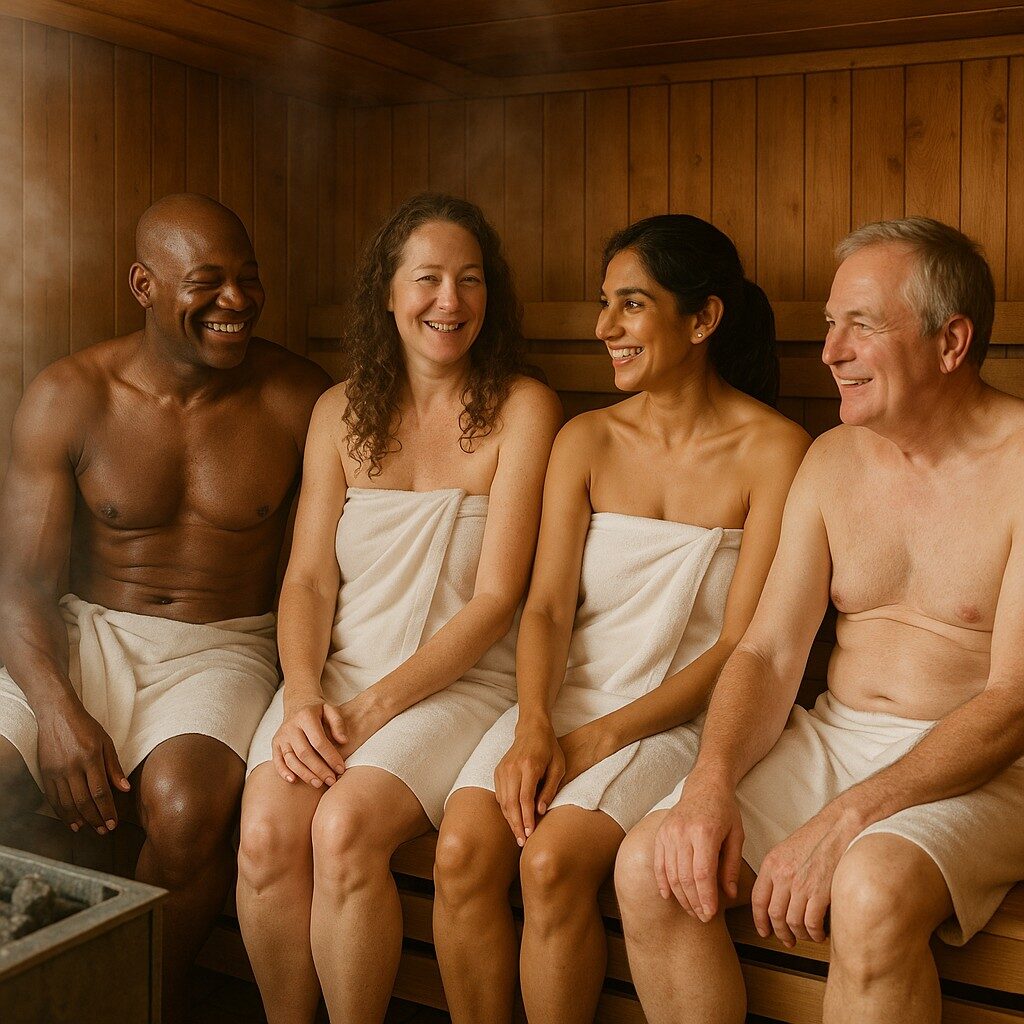
Population studies from Finland provide some of the most compelling evidence for heat therapy’s longevity effects. A landmark 20-year study published in JAMA Internal Medicine found that men who used saunas 4-7 times weekly had a 40% lower all-cause mortality risk compared to those using saunas just once weekly. Frequent sauna users showed significantly reduced risk of cardiovascular disease, sudden cardiac death, and all-cause mortality, with benefits appearing to follow a dose-response pattern—more frequent use associated with greater protection.
Several biological mechanisms may explain these health benefits. Heat exposure induces production of heat shock proteins, which help repair damaged proteins, protect cellular structures, and reduce oxidative stress. Regular sauna use improves vascular function, enhancing blood vessel elasticity and endothelial function—factors that protect against cardiovascular disease. Heat stress also appears to moderate systemic inflammation, potentially slowing the inflammatory processes associated with aging.
The cardiovascular effects of sauna bathing resemble those of moderate exercise—increased heart rate, improved circulation, and reduced blood pressure over time. Some researchers have suggested that heat therapy might offer particular benefits for individuals with limited mobility who cannot achieve these effects through physical activity.
Interestingly, regions known for exceptional longevity—such as Okinawa, Japan—often feature traditions of heat therapy through hot springs or similar practices. While correlation doesn’t prove causation, this pattern aligns with observed physiological benefits.
For those interested in heat therapy for healthy aging, several approaches exist:
- traditional dry saunas (typically 170-200°F/76-93°C with low humidity)
- infrared saunas (lower temperatures around 120-140°F/49-60°C with direct radiant heat)
- steam rooms (lower temperatures with very high humidity)
- hot baths (104-108°F/40-42°C)
Most research suggests optimal benefits from sessions lasting 15-30 minutes, performed 2-4 times weekly. As with all temperature therapies, adaptation is important—beginners should start with shorter sessions and moderate temperatures, gradually increasing as tolerance develops.
Hot-cold contrast therapy: The best of both worlds?
Contrast therapy—alternating between heat and cold exposure—represents a practice with deep historical roots and growing contemporary interest. This approach combines the physiological responses of both heat and cold therapies, potentially offering synergistic benefits beyond what either modality provides alone.
The fundamental mechanism behind contrast therapy involves vascular exercise. Heat exposure dilates blood vessels, increasing blood flow to the skin and extremities. Subsequent cold exposure causes vasoconstriction, driving blood toward core organs. This circulatory pumping effect may enhance lymphatic drainage, cellular waste removal, and nutrient delivery throughout tissues—processes that become less efficient with age.
Beyond circulatory benefits, contrast therapy appears to trigger more robust cellular stress responses than either heat or cold alone. This intensified hormetic effect may enhance mitochondrial efficiency, cellular cleanup processes (autophagy), and stress adaptation—all mechanisms implicated in aging processes. The rapid temperature transitions create unique patterns of physiological stress that may train regulatory systems to become more responsive and efficient.
Research on contrast therapy specifically for longevity remains limited, though studies examining recovery, inflammation, and stress physiology suggest promising effects. Athletes have long used contrast therapy to enhance recovery and reduce inflammation. Some researchers propose that the alternating vasodilation and vasoconstriction may help flush inflammatory compounds from tissues while simultaneously stimulating cellular repair mechanisms.
Traditional contrast therapy practices exist across cultures—from Nordic sauna-to-snow plunges to Japanese onsen traditions alternating hot springs with cool pools. Modern biohackers often adopt structured protocols, such as 3-5 minutes of heat followed by 30-60 seconds of cold, repeated for several cycles.
Practical guidelines for safe contrast therapy
For those interested in exploring contrast therapy, several practical approaches exist:
- sauna followed by cold plunge or shower
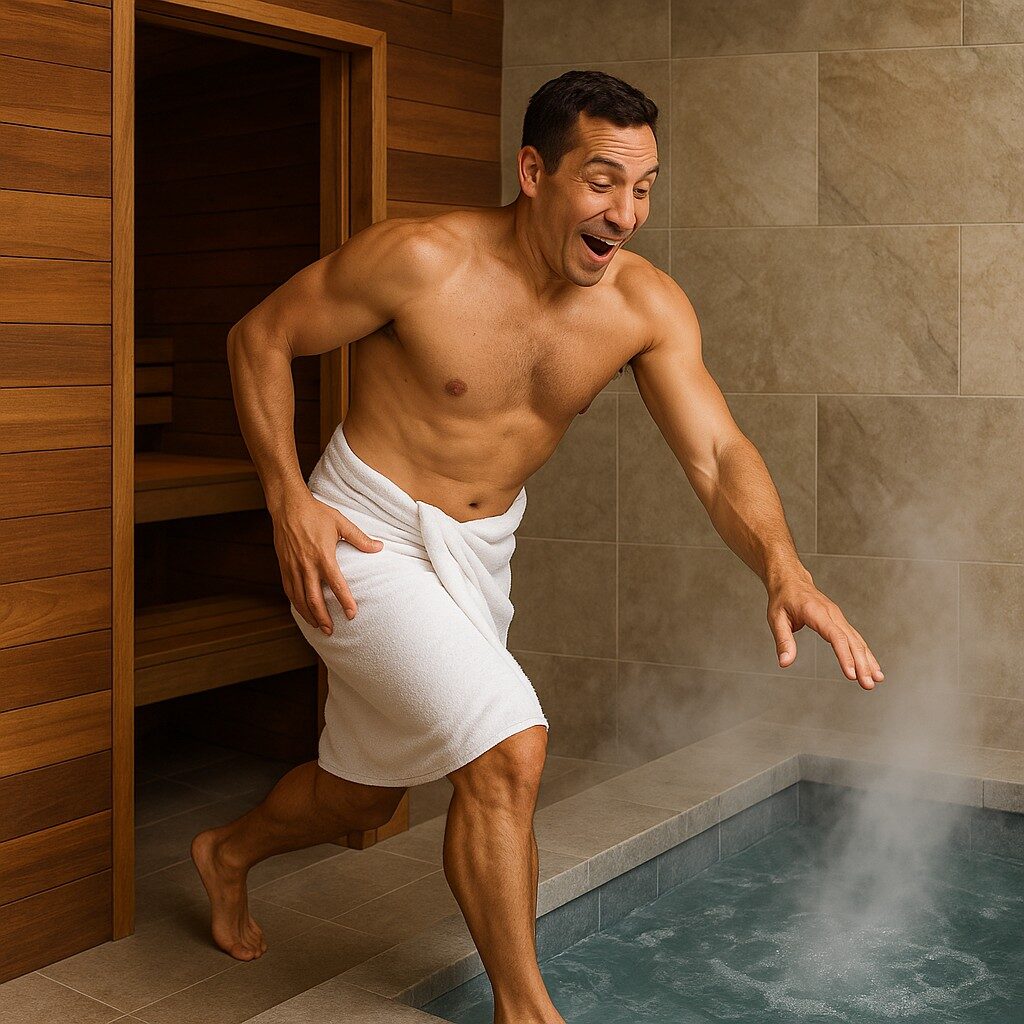
- hot bath or shower alternated with cold shower
- heated blanket followed by cold pack applications (for localized contrast therapy)
Beginners should start with moderate temperature differentials and shorter exposure times, gradually building tolerance. The typical recommendation is to end with cold rather than heat to reduce inflammation and close pores. Always allow adequate recovery time between sessions, as contrast therapy represents a significant stress on regulatory systems.
Limitations, risks, and who should steer clear
While temperature therapies show promise for longevity and health, they aren’t appropriate for everyone. Understanding the contraindications and potential risks is essential for safe practice.
According to Mayo Clinic and other medical authorities, several groups should avoid or seek medical clearance before attempting temperature therapies:
- individuals with uncontrolled high blood pressure or cardiovascular disease
- pregnant women, especially in the first trimester
- people with certain skin conditions or neuropathies
- those with severe diabetes or impaired temperature sensation
- individuals with epilepsy or seizure disorders
- anyone taking medications that affect thermoregulation or blood pressure
- people with acute injuries, infections, or inflammatory conditions
The risks associated with inappropriate temperature exposure can be serious. Heat therapy can cause dehydration, fainting, overheating, and in rare cases, heat stroke. Cold therapy risks include hypothermia, frostbite, circulatory shock, and cardiac arrhythmias in vulnerable individuals.
Even healthy practitioners should be aware of potential side effects. Heat exposure commonly causes light-headedness, dehydration, and temporary blood pressure fluctuations. Cold exposure can trigger pain, hyperventilation, and temporary numbness. Both modalities can exacerbate certain skin conditions and may interact with medications.
Medical supervision is particularly important for those new to temperature therapies, especially when attempting more extreme protocols. Experts recommend a gradual approach, beginning with mild exposures and slowly building tolerance over time. Always have someone nearby when trying heat or cold therapies for the first time, and exit immediately if you experience concerning symptoms like chest pain, severe headache, or confusion.
Most safety issues arise from excessive exposure or inappropriate application. Temperature therapy should feel challenging but not unbearable or painful. The hormetic benefits occur at moderate stress levels—pushing to extremes may actually negate benefits while increasing risks.
Building a longevity routine: How to incorporate temperature therapies
Creating a sustainable temperature therapy practice requires thoughtful integration into your overall wellness routine. The key is finding a balance that provides benefits without causing excessive stress or becoming unsustainable long-term.
For beginners, experts recommend starting with just one modality—either heat or cold—before attempting contrast therapy. Begin with brief exposures at moderate intensities: perhaps a 10-minute sauna session at lower temperature or a 30-second cold shower. Gradually increase duration and intensity as your body adapts, but remember that even modest exposures appear beneficial in research—more isn’t always better.
Frequency matters more than duration for most temperature therapy benefits. Studies suggest 2-4 sessions weekly represent an optimal zone for many physiological adaptations. This frequency allows adequate recovery between exposures while maintaining adaptive responses. Consider integrating these sessions after workouts when circulation is already enhanced, or as morning/evening rituals to establish consistent habits.
Monitor your body’s responses and keep track of how you feel both during and after sessions. Look for improvements in recovery time, energy levels, sleep quality, and stress resilience—these subjective markers often indicate positive adaptation. If you experience persistent fatigue, disrupted sleep, or increased illness, consider reducing intensity or frequency.
Including temperature therapy as part of your longevity lifestyle interventions works best when complementing rather than replacing other evidence-backed practices. A comprehensive approach might include:
- nutrition focused on plant diversity and appropriate caloric intake
- regular physical activity combining strength, endurance, and mobility work
- quality sleep with consistent patterns
- stress management through meditation or other mindfulness practices
- social connection and purpose
- temperature therapy for hormetic benefits
The complementary effects may be substantial—for example, cold exposure appears to enhance brown fat activity, which may augment metabolic benefits from exercise. Heat therapy might enhance recovery from strength training through improved circulation and protein repair mechanisms.
Personalization remains crucial. Your age, health status, previous exposure to temperature extremes, and genetics all influence your optimal protocol. Some individuals naturally respond more dramatically to cold, while others benefit more from heat. Experiment responsibly to discover your personal response patterns, and consider consulting with healthcare providers familiar with these modalities.
Conclusion
Temperature therapy offers valuable insights into how controlled environmental stress might support healthy aging and longevity. By activating hormetic responses—protective adaptations to mild stressors—heat and cold exposure appear to enhance cellular repair mechanisms, moderate inflammation, improve circulatory function, and boost metabolic health. These effects address several fundamental processes implicated in aging.
The science of temperature therapy and longevity continues to evolve, with strong epidemiological evidence for heat therapy’s benefits and growing experimental support for cold exposure. While not a miracle intervention, temperature therapy represents a potentially powerful tool in the broader longevity toolkit, alongside nutrition, exercise, sleep, and stress management.
Perhaps the most important lesson temperature therapy teaches us about longevity is the paradoxical value of hormetic stress—the right kinds of challenges, in appropriate doses, appear to strengthen our bodies rather than wear them down. This principle extends beyond temperature to exercise, fasting, and other controlled stressors that may enhance resilience and slow aging processes.
As you consider incorporating these practices, remember that safety and sustainability should guide your approach. Start gradually, listen to your body, respect contraindications, and integrate temperature therapy into a comprehensive wellness strategy. The goal isn’t extremes but rather consistent, moderate exposures that train your body’s adaptive systems over time.
With thoughtful application, temperature therapies may contribute to not just a longer life, but a more resilient, functional, and healthy one—the true measure of successful longevity interventions.
Frequently asked questions (FAQ)
Can sauna or cold plunges really help you live longer?
Studies suggest regular sauna use and controlled cold exposure may lower markers associated with chronic disease and mortality, but more long-term human research is needed before claiming they directly extend lifespan.
How often should I use temperature therapy for best results?
For most healthy adults, 2–4 sauna or cold immersion sessions per week have shown benefits, but frequency and duration should be adjusted based on individual health status and response.
Is temperature therapy safe for everyone?
No—people with cardiovascular conditions, pregnancy, or certain chronic illnesses should avoid or consult their doctor before starting.
What does 'hormesis' mean in the context of temperature therapy?
Hormesis is the concept that exposing your body to short, manageable stressors—like heat or cold—stimulates repair and adaptation processes that may support healthy aging.
Can I combine sauna and cold plunge in the same session?
Alternating between hot and cold, known as contrast therapy, is popular and may enhance benefits—but should be started cautiously and avoided if you have underlying health conditions.